
Poached Pears
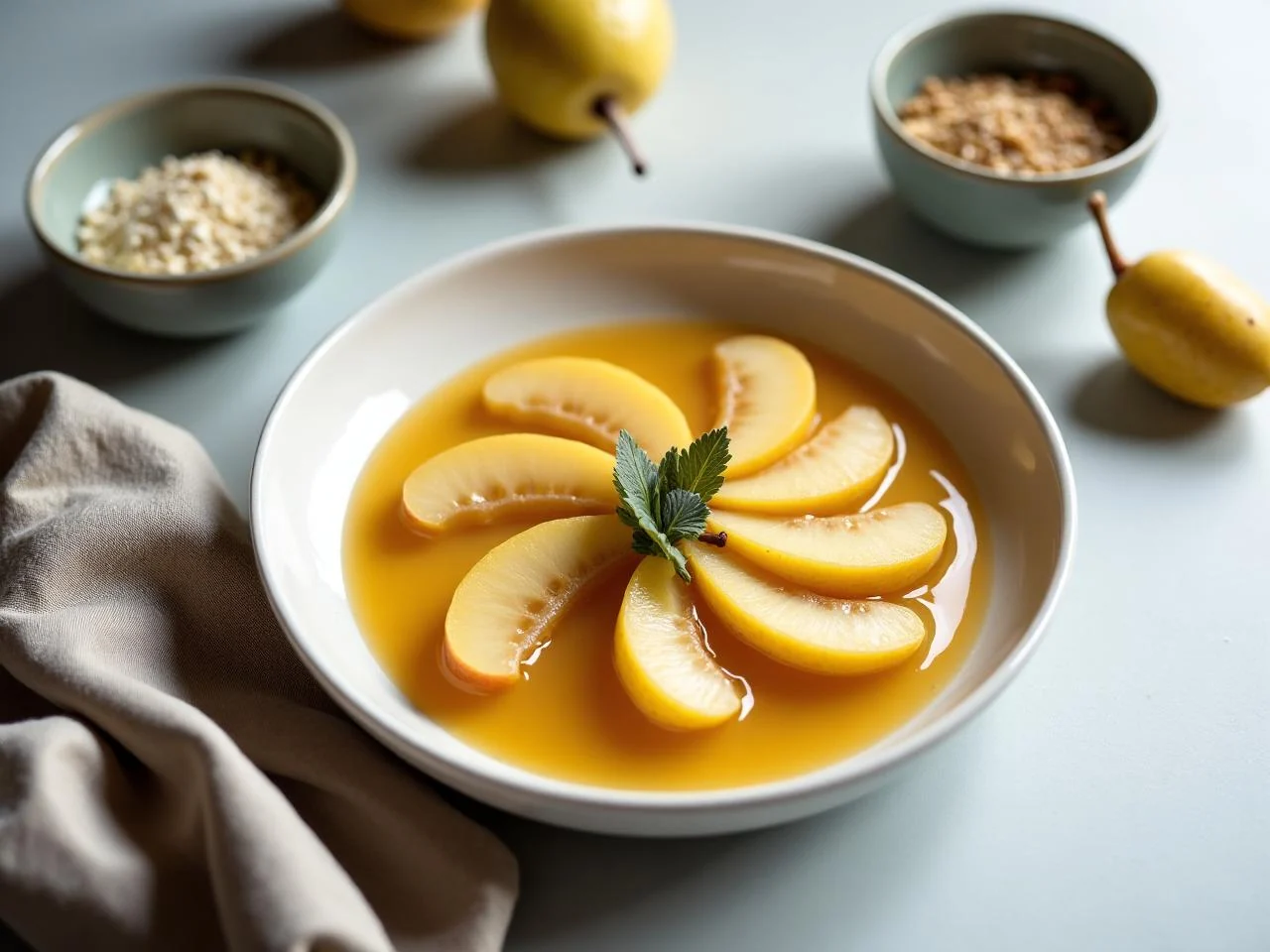
Poached pears are one of those desserts that seem intimidating but are actually quite straightforward to make. I remember the first time I tried poaching pears; it was a revelation. The tender flesh, the sweet syrup, and the ease of preparation all combined to make it a favorite in my household.
As someone who has had to adapt to a gluten-free diet, I've found that poached pears are a great option for special occasions or everyday desserts. They're naturally gluten-free, and with a few simple ingredients, you can create a stunning and delicious dessert.
This recipe is perfect for those looking for a dependable gluten-free cooking and baking option. It's made from scratch in a real home kitchen, using ingredients that are easily accessible and simple to work with. Whether you're a seasoned cook or just starting out, this recipe is sure to please.
Poached pears are also incredibly versatile. You can serve them on their own, with a dollop of whipped cream, or alongside a scoop of your favorite ice cream. They're also a great addition to salads, especially those with mixed greens, nuts, and a tangy vinaigrette.
In this recipe, I'll guide you through the process of poaching pears to perfection. From selecting the right pears to creating the perfect syrup, I'll share my tips and tricks for making this dessert a success.
Why You’ll Love This Recipe
- Poached pears are a delicious and elegant dessert that's perfect for special occasions.
- This recipe is easy to follow and requires minimal ingredients, making it a great option for beginners.
- The pears can be poached ahead of time and refrigerated or frozen for later use, making it a convenient dessert option.
- Poached pears are naturally gluten-free, making them a great option for those with dietary restrictions.
- The recipe is versatile and can be adapted to suit different tastes and preferences.
Why This Recipe Works
The key to successful poached pears lies in the combination of the right ingredients, the correct cooking technique, and a bit of patience. By using a mixture of water, sugar, and spices, we create a syrup that not only adds flavor to the pears but also helps to preserve them.
The type of pear used is also crucial. I prefer to use varieties like Bartlett or Anjou, as they hold their shape well when cooked and have a tender, buttery texture. The pears are first peeled, cored, and halved, then gently cooked in the syrup until they're tender and caramelized.
One of the most important aspects of poaching pears is controlling the heat. By cooking the pears over low heat, we prevent them from becoming too soft or mushy. Instead, they retain their shape and develop a beautiful, caramelized exterior.
Finally, the resting time is essential. After poaching, the pears are removed from the heat and allowed to cool in the syrup. This step helps the pears to absorb the flavors of the syrup and to set their texture, making them easier to serve and enjoy.
Ingredients You’ll Need
To make poached pears, you'll need a few simple ingredients, including pears, sugar, water, and spices. The quality of the ingredients is important, so choose the best you can find. For the pears, look for varieties that are firm but yield to pressure, and for the sugar, use a high-quality granulated sugar that dissolves easily.
In addition to the ingredients, you'll also need some basic equipment, such as a large pot, a strainer, and a cutting board. Make sure your equipment is clean and sanitized before starting to ensure the best results.
- 4 ripe but firm pearsChoose pears that are firm but yield to pressure, such as Bartlett or Anjou. The pears should be ripe but still firm, as they will soften during cooking.
- 1 cup granulated sugarUse a high-quality granulated sugar that dissolves easily. You can also use brown sugar or honey for a different flavor profile.
- 2 cups waterUse fresh, cold water for the best flavor. You can also add a few cups of wine or juice to the poaching liquid for extra flavor.
- 1/4 cup honeyHoney adds a rich, caramel flavor to the poaching liquid. You can also use maple syrup or agave nectar for a different flavor.
- 1 cinnamon stickCinnamon adds a warm, spicy flavor to the poaching liquid. You can also use other spices, such as cloves or nutmeg, for a different flavor.
- 6 clovesCloves add a strong, pungent flavor to the poaching liquid. Use whole cloves for the best flavor.
- 1/4 teaspoon ground nutmegNutmeg adds a warm, slightly sweet flavor to the poaching liquid. Use freshly grated nutmeg for the best flavor.
- 1/4 teaspoon saltSalt enhances the flavor of the pears and the poaching liquid. Use a high-quality salt, such as kosher or sea salt, for the best flavor.
- 1/2 cup lemon juiceLemon juice adds a bright, citrusy flavor to the poaching liquid. Use freshly squeezed lemon juice for the best flavor.
- 1/4 cup butterButter adds a rich, creamy flavor to the poaching liquid. Use high-quality, unsalted butter for the best flavor.
Equipment You’ll Need
How to Make Poached Pears
- 1Peel, core, and halve the pears, removing any stems or leaves. Place the pears in a large bowl of cold water to prevent browning.
- 2In a large pot, combine the sugar, water, honey, cinnamon stick, cloves, nutmeg, and salt. Heat the mixture over medium heat, stirring until the sugar has dissolved.
- 3Bring the mixture to a boil, then reduce the heat to low and simmer for 10 minutes. Use an instant-read thermometer to check the temperature of the liquid, which should be around 180°F to 190°F.
- 4Add the pears to the pot, making sure they are fully submerged in the liquid. If necessary, weigh down the pears with a plate or a heavy object to keep them underwater.
- 5Poach the pears for 20 to 25 minutes, or until they are tender when pierced with a fork. Check the pears frequently to avoid overcooking.
- 6Remove the pears from the pot with a slotted spoon and place them on a cutting board. Let them cool to room temperature.
- 7Strain the poaching liquid through a fine-mesh sieve into a clean pot, discarding the solids. Bring the liquid to a boil, then reduce the heat to medium-low and simmer for 10 to 15 minutes, or until the liquid has thickened slightly.
- 8Add the lemon juice and butter to the pot, stirring until the butter has melted. Remove the pot from the heat and let it cool to room temperature.
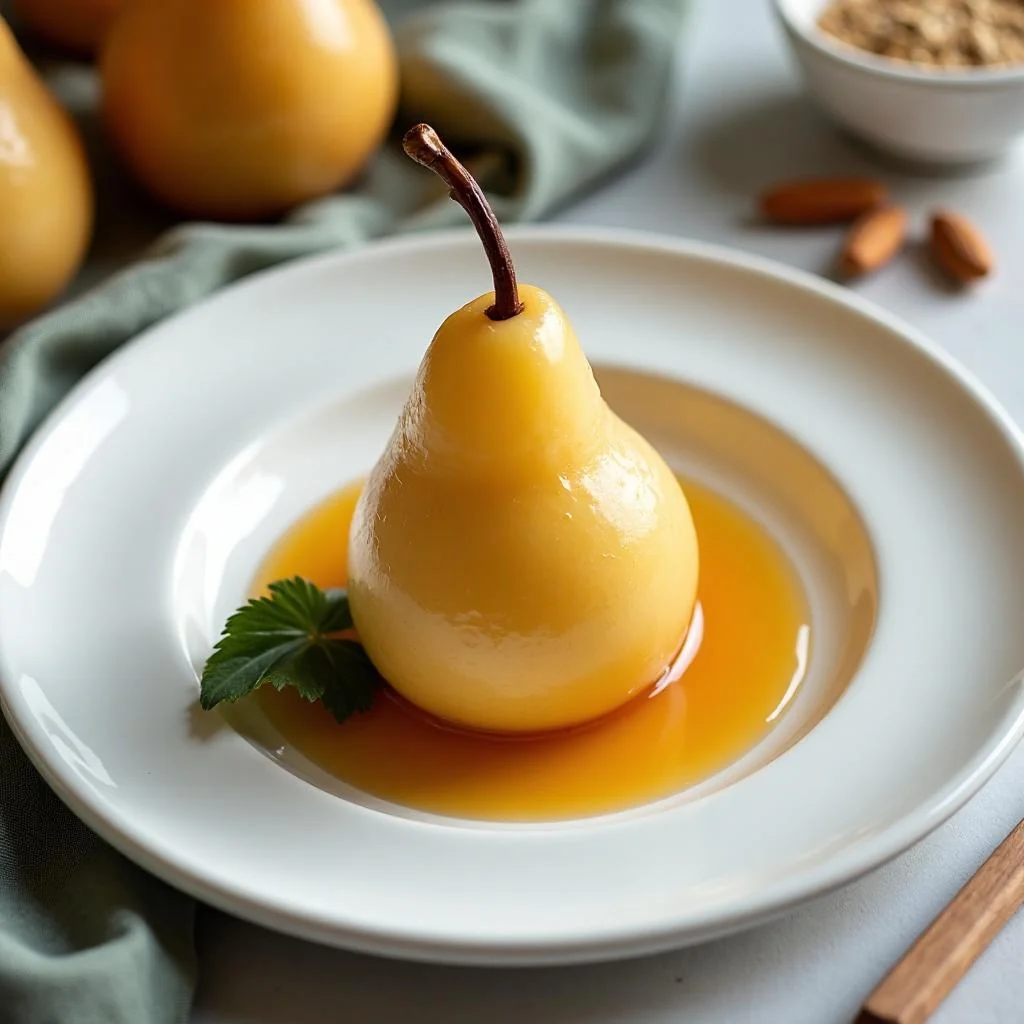
- 9To serve, place a poached pear on each plate and spoon some of the cooled poaching liquid over the top. You can also serve the pears with whipped cream, ice cream, or a sprinkle of sugar.
Expert Tips
- Use a variety of pear that holds its shape well when cooked, such as Bartlett or Anjou.
- Don't overcook the pears, as they can become mushy and unappetizing.
- Let the pears cool to room temperature before serving, as this will help them to set their texture and flavor.
- Experiment with different spices and flavorings in the poaching liquid, such as cinnamon, cloves, or citrus zest.
- Consider adding a few cups of wine or juice to the poaching liquid for extra flavor.
- Use high-quality ingredients, such as fresh pears and real sugar, for the best flavor and texture.
- Don't overcrowd the pot, as this can cause the pears to stick together. Cook them in batches if necessary.
Common Mistakes to Avoid
- Overcooking the pears, which can make them mushy and unappetizing.
- Not using a variety of pear that holds its shape well when cooked.
- Not letting the pears cool to room temperature before serving, which can cause them to be too soft or runny.
- Not straining the poaching liquid, which can leave it cloudy or gritty.
- Not using high-quality ingredients, which can affect the flavor and texture of the dish.
- Not experimenting with different spices and flavorings, which can make the dish more interesting and complex.
Variations and Substitutions
- Add a few cups of wine or juice to the poaching liquid for extra flavor.
- Use different spices or flavorings in the poaching liquid, such as cinnamon, cloves, or citrus zest.
- Add a few slices of citrus fruit, such as lemon or orange, to the poaching liquid for extra flavor.
- Use a different type of sugar, such as brown sugar or honey, for a different flavor profile.
- Add a few sprigs of fresh herbs, such as mint or basil, to the poaching liquid for extra flavor.
- Serve the pears with whipped cream, ice cream, or a sprinkle of sugar for a different texture and flavor.
- Use a different type of pear, such as Bartlett or Anjou, for a different flavor and texture.
What to Serve With Poached Pears
Poached pears are a delicious and elegant dessert that can be served on their own or with a variety of accompaniments. Consider serving them with whipped cream, ice cream, or a sprinkle of sugar for a different texture and flavor.
They can also be served with a variety of other desserts, such as cakes, cookies, or pastries. Try pairing them with a rich, chocolatey cake or a crispy, buttery cookie for a delicious contrast of flavors and textures.
Make-Ahead, Storage, Freezing and Reheating
Poached pears can be stored in the refrigerator for up to 5 days or frozen for up to 2 months. To store them in the refrigerator, place the pears in a covered container and keep them refrigerated at a temperature of 40°F or below.
To freeze the pears, place them in a single layer on a baking sheet and put the sheet in the freezer. Once the pears are frozen, transfer them to a covered container or freezer bag and store them in the freezer at a temperature of 0°F or below.
To reheat the pears, simply place them in a pot of simmering water or microwave them for a few seconds. You can also reheat them in the oven, covered with foil, at a temperature of 300°F for a few minutes.
It's also important to note that poached pears can be made ahead of time and refrigerated or frozen for later use. This makes them a great option for special occasions or events, as they can be prepared in advance and served at a later time.
Frequently Asked Questions
What type of pear is best for poaching?
A variety of pear that holds its shape well when cooked, such as Bartlett or Anjou, is best for poaching.
How do I prevent the pears from browning?
To prevent the pears from browning, place them in a bowl of cold water as soon as they are peeled and cored. You can also add a splash of lemon juice to the water to help prevent browning.
Can I use a different type of sugar?
Yes, you can use a different type of sugar, such as brown sugar or honey, for a different flavor profile. However, keep in mind that the flavor and texture of the pears may be affected by the type of sugar used.
How do I know when the pears are done?
The pears are done when they are tender when pierced with a fork. You can also check the temperature of the liquid, which should be around 180°F to 190°F.
Can I make the poached pears ahead of time?
Yes, you can make the poached pears ahead of time and refrigerate or freeze them for later use. This makes them a great option for special occasions or events.
How do I reheat the pears?
To reheat the pears, simply place them in a pot of simmering water or microwave them for a few seconds. You can also reheat them in the oven, covered with foil, at a temperature of 300°F for a few minutes.
Can I use a different type of spice or flavoring?
Yes, you can use a different type of spice or flavoring, such as cinnamon, cloves, or citrus zest, for a different flavor profile. Experiment with different spices and flavorings to find the combination that you like best.
How do I store the poached pears?
Poached pears can be stored in the refrigerator for up to 5 days or frozen for up to 2 months. To store them in the refrigerator, place the pears in a covered container and keep them refrigerated at a temperature of 40°F or below.
Ingredients
- 4 ripe but firm pears
- 1 cup granulated sugar
- 2 cups water
- 1/4 cup honey
- 1 cinnamon stick
- 6 cloves
- 1/4 teaspoon ground nutmeg
- 1/4 teaspoon salt
- 1/2 cup lemon juice
- 1/4 cup butter
Instructions
- Peel, core, and halve the pears, removing any stems or leaves. Place the pears in a large bowl of cold water to prevent browning.
- In a large pot, combine the sugar, water, honey, cinnamon stick, cloves, nutmeg, and salt. Heat the mixture over medium heat, stirring until the sugar has dissolved.
- Bring the mixture to a boil, then reduce the heat to low and simmer for 10 minutes. Use an instant-read thermometer to check the temperature of the liquid, which should be around 180°F to 190°F.
- Add the pears to the pot, making sure they are fully submerged in the liquid. If necessary, weigh down the pears with a plate or a heavy object to keep them underwater.
- Poach the pears for 20 to 25 minutes, or until they are tender when pierced with a fork. Check the pears frequently to avoid overcooking.
- Remove the pears from the pot with a slotted spoon and place them on a cutting board. Let them cool to room temperature.
- Strain the poaching liquid through a fine-mesh sieve into a clean pot, discarding the solids. Bring the liquid to a boil, then reduce the heat to medium-low and simmer for 10 to 15 minutes, or until the liquid has thickened slightly.
- Add the lemon juice and butter to the pot, stirring until the butter has melted. Remove the pot from the heat and let it cool to room temperature.
- To serve, place a poached pear on each plate and spoon some of the cooled poaching liquid over the top. You can also serve the pears with whipped cream, ice cream, or a sprinkle of sugar.