
Banana Bread
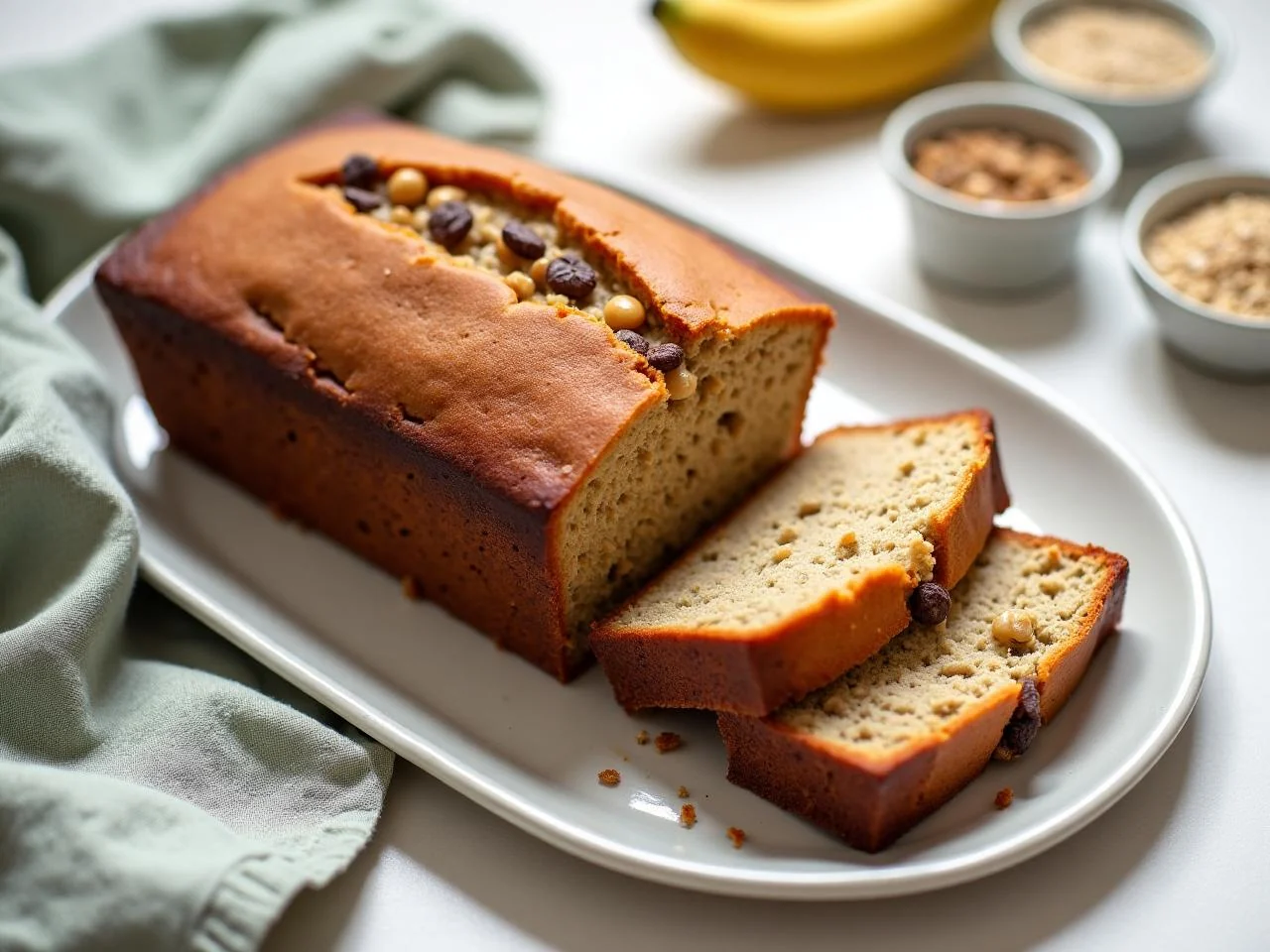
I still remember the first time I made banana bread after being diagnosed with celiac disease. I was determined to create a gluten-free version that was just as delicious as the traditional recipe. After some trial and error, I finally found the perfect combination of ingredients and techniques to make a moist and flavorful banana bread.
One of the key challenges of making gluten-free banana bread is finding the right balance of flours. I've found that a combination of rice flour, tapioca starch, and xanthan gum works beautifully. The rice flour provides structure, while the tapioca starch adds moisture and tenderness. The xanthan gum helps to bind the ingredients together and creates a tender crumb.
In addition to the right flour blend, it's also important to use ripe bananas. The riper the bananas, the sweeter and more flavorful they'll be. I like to use bananas that are almost too ripe to eat, as they'll add the most flavor to the bread.
This recipe is perfect for anyone who loves banana bread but needs to follow a gluten-free diet. It's also a great option for those who are looking for a delicious and easy-to-make dessert or snack. With its moist texture and flavorful ingredients, this banana bread is sure to become a favorite in your household.
I love making this banana bread on the weekends, when I have a little extra time to spend in the kitchen. It's a great way to relax and unwind, and the aroma of freshly baked bread wafting from the oven is the perfect way to start the day. Whether you're a seasoned baker or just starting out, this recipe is sure to become a staple in your kitchen.
Why You’ll Love This Recipe
- This banana bread is moist and delicious, with a perfect balance of flavors and textures.
- It's easy to make and requires minimal ingredients, making it a great option for a quick dessert or snack.
- The recipe is versatile and can be customized with your favorite nuts, chocolate chips, or spices.
- It's a great way to use up ripe bananas and reduce food waste.
- The gluten-free flour blend makes it accessible to those with gluten intolerance or sensitivity.
- It's a perfect treat for breakfast, lunch, or dinner, and can be served on its own or with a variety of toppings.
Why This Recipe Works
The key to making great gluten-free banana bread is to use a balanced flour blend and to not overmix the batter. Overmixing can lead to a dense and tough bread, while a balanced flour blend will provide structure and texture. I've found that using a combination of rice flour, tapioca starch, and xanthan gum works beautifully.
Another important factor is to use the right liquid ingredients. I like to use a combination of eggs, butter, and milk to add moisture and flavor to the bread. The eggs provide richness and structure, while the butter adds flavor and tenderness. The milk helps to keep the bread moist and fresh.
The resting time is also crucial in this recipe. Allowing the batter to rest for 20-30 minutes will help the starches to absorb the liquid ingredients, resulting in a tender and moist bread. This step is especially important when working with gluten-free flours, as they can be more prone to dryness and grittiness.
Finally, the baking temperature and time are critical in achieving the perfect texture and flavor. Baking the bread at 350°F for 45-50 minutes will result in a golden-brown crust and a tender, moist interior. The internal temperature of the bread should reach 190-200°F to ensure that it's fully cooked and safe to eat.
Ingredients You’ll Need
To make this delicious gluten-free banana bread, you'll need a few simple ingredients. The key players in this recipe are the ripe bananas, the balanced flour blend, and the liquid ingredients. Be sure to choose ripe bananas for the best flavor, and use a high-quality flour blend that contains a combination of rice flour, tapioca starch, and xanthan gum.
When shopping for ingredients, look for gluten-free flours that are labeled as '1:1 substitute' or 'cup-for-cup substitute'. These flours are designed to replace traditional wheat flour in recipes and will provide the best results. You can also make your own flour blend using a combination of rice flour, tapioca starch, and xanthan gum.
- 3 large ripe bananas, mashedThe riper the bananas, the sweeter and more flavorful they'll be. Use bananas that are almost too ripe to eat for the best results.
- 1 1/2 cups gluten-free flour blendLook for a flour blend that contains a combination of rice flour, tapioca starch, and xanthan gum. You can also make your own flour blend using these ingredients.
- 1/2 cup granulated sugarGranulated sugar adds sweetness and tenderness to the bread. You can also use brown sugar or honey for a different flavor.
- 1/2 cup unsalted butter, meltedUnsalted butter adds flavor and moisture to the bread. You can also use salted butter if you prefer a slightly salty flavor.
- 2 large eggsEggs provide richness and structure to the bread. Use fresh eggs for the best results.
- 1/2 cup milkMilk adds moisture and tenderness to the bread. You can use any type of milk you prefer, including almond milk or soy milk.
- 1 tsp vanilla extractVanilla extract adds flavor and aroma to the bread. Use high-quality vanilla extract for the best results.
- 1/2 tsp saltSalt enhances the flavor of the bread and helps to balance the sweetness. Use kosher salt or sea salt for the best results.
- 1/4 tsp xanthan gumXanthan gum helps to bind the ingredients together and creates a tender crumb. Use xanthan gum that is labeled as 'gluten-free' to ensure the best results.
- 1/2 cup chopped walnutsChopped walnuts add texture and flavor to the bread. You can also use pecans or hazelnuts for a different flavor.
- 1 tsp baking powderBaking powder helps the bread to rise and gives it a light, tender texture. Use gluten-free baking powder to ensure the best results.
Equipment You’ll Need
How to Make Banana Bread
- 1Preheat the oven to 350°F and grease a 9x5-inch loaf pan with butter or cooking spray.
- 2In a large mixing bowl, whisk together the gluten-free flour blend, granulated sugar, baking powder, and salt.
- 3In a separate bowl, whisk together the melted butter, eggs, milk, and vanilla extract.
- 4Add the mashed bananas to the wet ingredients and whisk until smooth.
- 5Add the wet ingredients to the dry ingredients and stir until just combined. Do not overmix.
- 6Fold in the chopped walnuts and xanthan gum.
- 7Pour the batter into the prepared loaf pan and smooth the top.
- 8Bake the bread for 45-50 minutes, or until a toothpick inserted into the center comes out clean and the internal temperature reaches 190-200°F.
- 9Remove the bread from the oven and let it cool in the pan for 10 minutes.
- 10Transfer the bread to a wire rack to cool completely.
- 11Once the bread is cool, slice it and serve. You can store the bread at room temperature for up to 3 days or wrap it tightly and freeze for up to 2 months.
Expert Tips
- Use ripe bananas for the best flavor and texture.
- Don't overmix the batter, as this can lead to a dense and tough bread.
- Use a high-quality gluten-free flour blend that contains a combination of rice flour, tapioca starch, and xanthan gum.
- Add nuts or chocolate chips to the batter for extra flavor and texture.
- Let the bread rest for 20-30 minutes before slicing to allow the starches to absorb the liquid ingredients.
- Wrap the bread tightly and freeze for up to 2 months for a quick and easy breakfast or snack.
- Try using different types of milk, such as almond milk or soy milk, for a non-dairy version of the bread.
- Add a sprinkle of cinnamon or nutmeg to the top of the bread before baking for extra flavor and aroma.
Common Mistakes to Avoid
- Using underripe bananas, which can result in a bland and dense bread.
- Overmixing the batter, which can lead to a tough and dense bread.
- Not using a high-quality gluten-free flour blend, which can result in a bread that is gritty or crumbly.
- Not letting the bread rest for 20-30 minutes before slicing, which can result in a bread that is dense and difficult to slice.
- Not storing the bread properly, which can result in a bread that is stale or moldy.
- Not using the right type of pan, which can result in a bread that is unevenly cooked or difficult to remove from the pan.
Variations and Substitutions
- Add 1/2 cup of chopped pecans or hazelnuts to the batter for extra flavor and texture.
- Use 1/2 cup of brown sugar instead of granulated sugar for a richer flavor.
- Add 1 tsp of cinnamon or nutmeg to the batter for extra flavor and aroma.
- Use 1/2 cup of applesauce instead of butter for a lower-fat version of the bread.
- Add 1/2 cup of chocolate chips to the batter for a sweet and indulgent treat.
- Use 1/2 cup of coconut milk instead of regular milk for a non-dairy version of the bread.
- Add 1 tsp of vanilla extract to the batter for extra flavor and aroma.
What to Serve With Banana Bread
This banana bread is perfect for serving as a snack or dessert. You can slice it and serve it on its own, or top it with a variety of ingredients such as cream cheese, butter, or jam. It's also a great option for breakfast, either on its own or paired with a cup of coffee or tea.
Some other ideas for serving this banana bread include:
Slicing it and serving it with a scoop of ice cream or whipped cream
Using it as a base for a banana split, topped with ice cream, chocolate sauce, and chopped nuts
Serving it with a cup of hot chocolate or coffee for a cozy breakfast or snack
Wrapping it tightly and taking it on the go as a quick and easy breakfast or snack
Make-Ahead, Storage, Freezing and Reheating
This banana bread can be stored at room temperature for up to 3 days, or wrapped tightly and frozen for up to 2 months. To store the bread, simply wrap it tightly in plastic wrap or aluminum foil and place it in an airtight container.
To freeze the bread, wrap it tightly in plastic wrap or aluminum foil and place it in a freezer-safe bag. When you're ready to eat it, simply thaw the bread at room temperature or reheat it in the microwave or oven.
Some tips for storing and reheating this banana bread include:
Wrapping it tightly to prevent it from drying out or becoming stale
Storing it in an airtight container to keep it fresh
Reheating it in the microwave or oven to restore its fresh-baked flavor and texture
Freezing it for up to 2 months for a quick and easy breakfast or snack
Frequently Asked Questions
What type of flour blend should I use for this recipe?
You should use a gluten-free flour blend that contains a combination of rice flour, tapioca starch, and xanthan gum. This type of flour blend will provide the best results and ensure that the bread is tender and moist.
Can I use underripe bananas for this recipe?
No, it's best to use ripe bananas for this recipe. Underripe bananas will not provide the same level of sweetness and flavor as ripe bananas, and may result in a bland and dense bread.
How do I know when the bread is done?
The bread is done when a toothpick inserted into the center comes out clean and the internal temperature reaches 190-200°F. You can also check the bread by gently pressing on the top - if it feels firm and springy, it's done.
Can I freeze this bread?
Yes, you can freeze this bread for up to 2 months. Simply wrap it tightly in plastic wrap or aluminum foil and place it in a freezer-safe bag. When you're ready to eat it, simply thaw the bread at room temperature or reheat it in the microwave or oven.
What type of pan should I use for this recipe?
You should use a 9x5-inch loaf pan for this recipe. This type of pan will provide the best results and ensure that the bread is evenly cooked and easy to remove from the pan.
Can I make this recipe in a different size pan?
Yes, you can make this recipe in a different size pan. However, you will need to adjust the cooking time and temperature accordingly. A larger pan will require a shorter cooking time, while a smaller pan will require a longer cooking time.
Can I add nuts or chocolate chips to this recipe?
Yes, you can add nuts or chocolate chips to this recipe. Simply fold them into the batter before pouring it into the pan. Nuts and chocolate chips will add extra flavor and texture to the bread.
Can I make this recipe without xanthan gum?
Yes, you can make this recipe without xanthan gum. However, the bread may not be as tender and moist as it would be with xanthan gum. Xanthan gum helps to bind the ingredients together and creates a tender crumb.
Ingredients
- 3 large ripe bananas, mashed
- 1 1/2 cups gluten-free flour blend
- 1/2 cup granulated sugar
- 1/2 cup unsalted butter, melted
- 2 large eggs
- 1/2 cup milk
- 1 tsp vanilla extract
- 1/2 tsp salt
- 1/4 tsp xanthan gum
- 1/2 cup chopped walnuts
- 1 tsp baking powder
Instructions
- Preheat the oven to 350°F and grease a 9x5-inch loaf pan with butter or cooking spray.
- In a large mixing bowl, whisk together the gluten-free flour blend, granulated sugar, baking powder, and salt.
- In a separate bowl, whisk together the melted butter, eggs, milk, and vanilla extract.
- Add the mashed bananas to the wet ingredients and whisk until smooth.
- Add the wet ingredients to the dry ingredients and stir until just combined. Do not overmix.
- Fold in the chopped walnuts and xanthan gum.
- Pour the batter into the prepared loaf pan and smooth the top.
- Bake the bread for 45-50 minutes, or until a toothpick inserted into the center comes out clean and the internal temperature reaches 190-200°F.
- Remove the bread from the oven and let it cool in the pan for 10 minutes.
- Transfer the bread to a wire rack to cool completely.
- Once the bread is cool, slice it and serve. You can store the bread at room temperature for up to 3 days or wrap it tightly and freeze for up to 2 months.