Baked Salmon Fillets
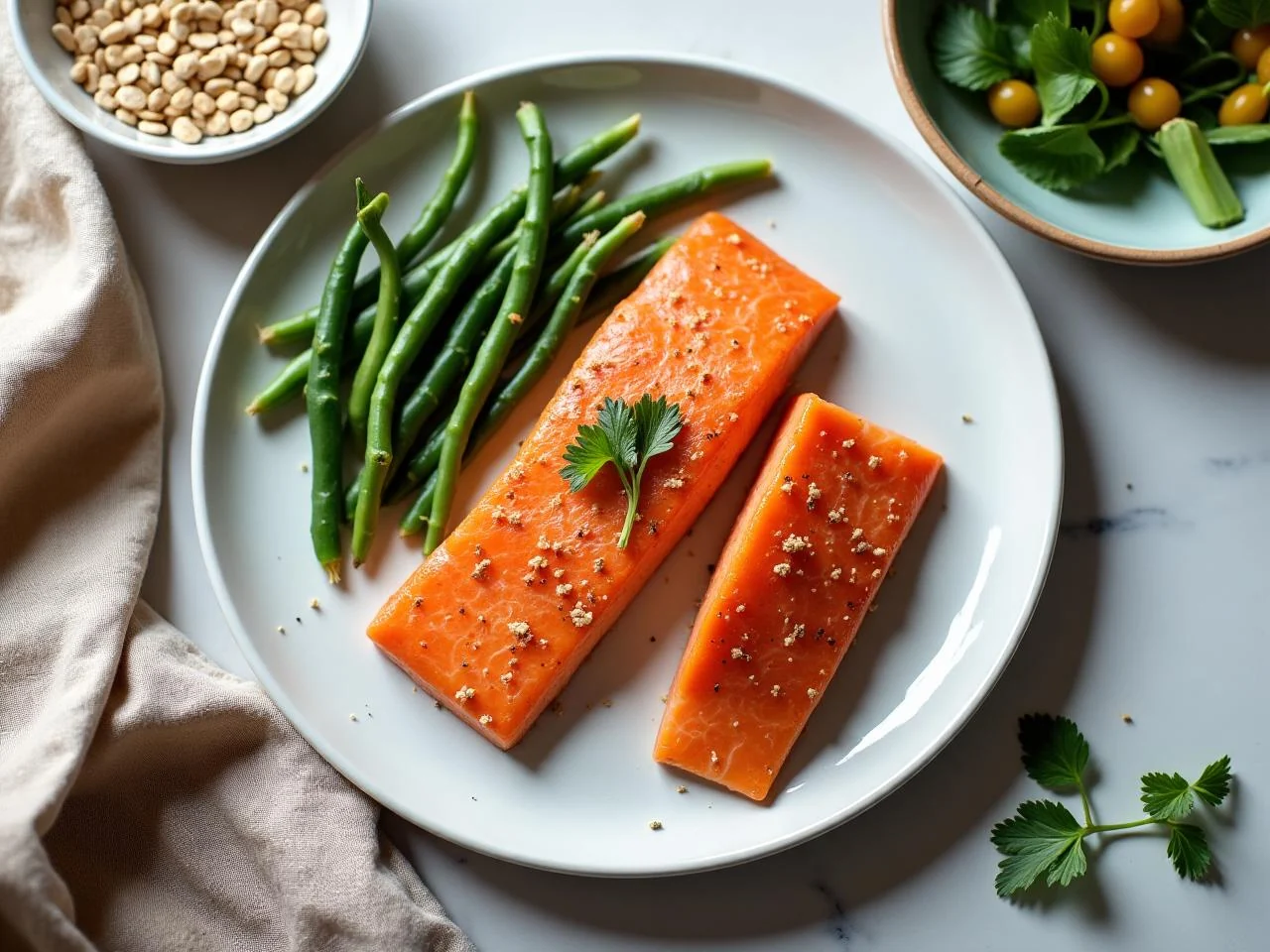
I still remember the first time I made baked salmon fillets in my home kitchen. It was a revelation - the combination of tender fish, flavorful seasonings, and a crispy crust was absolute perfection. As someone who's passionate about dependable gluten-free cooking and baking, I've refined this recipe over the years to ensure it's not only delicious but also easy to make and accessible to everyone.
One of the things I love about this recipe is its versatility. Whether you're cooking for a special occasion or a quick weeknight dinner, baked salmon fillets are a great choice. They're also an excellent option for those looking for a healthy and flavorful meal that's free from gluten.
In this recipe, we'll be using a combination of rice flour, tapioca starch, and xanthan gum to create a crispy crust that's not only gluten-free but also adds a nice texture to the dish. We'll also be using a simple yet flavorful seasoning blend that complements the natural taste of the salmon.
So, if you're looking for a recipe that's easy to follow, delicious, and perfect for any occasion, you're in the right place. Let's get started and explore the world of gluten-free baking together!
Throughout this recipe, I'll be sharing tips and tricks that I've learned over the years to ensure that your baked salmon fillets turn out perfectly every time. From the importance of using fresh and high-quality ingredients to the technique of creating a crispy crust, we'll cover it all.
Why You’ll Love This Recipe
- This recipe is easy to follow and requires minimal ingredients.
- The dish is perfect for a weeknight dinner or special occasion.
- The gluten-free crust is crispy and flavorful, making it a great option for those with dietary restrictions.
- The recipe is versatile and can be customized to suit your tastes.
- The baked salmon fillets are a healthy and flavorful meal option.
- The dish is visually appealing and makes a great presentation.
- The recipe is budget-friendly and uses affordable ingredients.
Why This Recipe Works
The key to making great baked salmon fillets is to understand the importance of heat control, fat, and moisture. By using a combination of olive oil and butter, we're able to create a rich and flavorful sauce that complements the natural taste of the salmon. The rice flour and tapioca starch help to create a crispy crust that adds texture to the dish.
Another important aspect of this recipe is the use of xanthan gum. This ingredient helps to improve the texture of the crust and prevents it from becoming too dense or heavy. It's a simple yet effective technique that makes a big difference in the final result.
Finally, the seasoning blend we're using is a combination of salt, pepper, and herbs that complements the natural flavor of the salmon. By using a light hand when seasoning, we're able to bring out the best flavors in the dish without overpowering it.
By understanding the science behind this recipe, we're able to create a dish that's not only delicious but also visually appealing. The combination of flavors, textures, and presentation makes this recipe a standout, and I'm excited to share it with you.
Ingredients You’ll Need
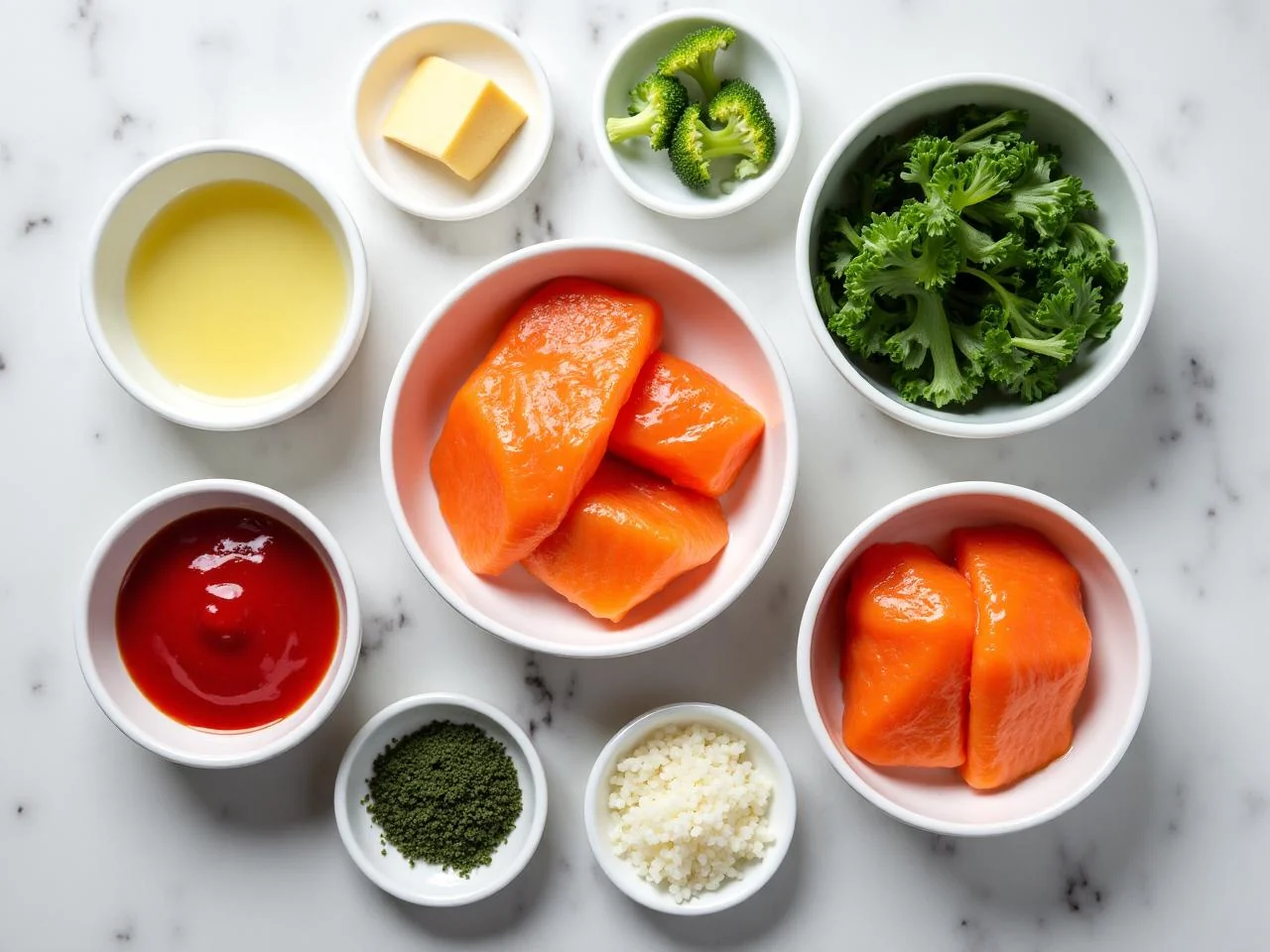
When it comes to making baked salmon fillets, the ingredients are just as important as the technique. We're using a combination of fresh and high-quality ingredients to create a dish that's not only delicious but also visually appealing. From the salmon fillets to the seasoning blend, every ingredient plays a crucial role in the final result.
In this recipe, we'll be using a total of 12 ingredients, each of which has been carefully selected to provide the best flavor and texture. We'll be using 4 tablespoons of olive oil, 2 tablespoons of butter, 2 salmon fillets, 1 teaspoon of salt, 1/2 teaspoon of black pepper, 1/2 teaspoon of garlic powder, 1/2 teaspoon of paprika, 1/4 teaspoon of cayenne pepper, 1/4 cup of rice flour, 1/4 cup of tapioca starch, 1/2 teaspoon of xanthan gum, and 2 tablespoons of chopped fresh parsley.
- 4 tablespoons olive oilOlive oil is used to add flavor and moisture to the dish. Make sure to use a high-quality olive oil that's fresh and has a good flavor.
- 2 tablespoons butterButter is used to add richness and flavor to the dish. You can also use other types of fat like ghee or coconut oil if you prefer.
- 2 salmon fillets (6 ounces each)Salmon fillets are the star of the dish, and it's essential to use fresh and high-quality fish. Look for fillets that are firm, have a nice color, and smell fresh.
- 1 teaspoon saltSalt is used to bring out the flavors in the dish and add depth. Use a high-quality salt like kosher or sea salt for the best flavor.
- 1/2 teaspoon black pepperBlack pepper is used to add a nice kick to the dish and complement the other flavors. Use freshly ground black pepper for the best flavor.
- 1/2 teaspoon garlic powderGarlic powder is used to add a nice aroma and flavor to the dish. You can also use fresh garlic if you prefer, but make sure to mince it well.
- 1/2 teaspoon paprikaPaprika is used to add a nice smoky flavor to the dish and complement the other ingredients. Use a high-quality paprika that's fresh and has a good flavor.
- 1/4 teaspoon cayenne pepperCayenne pepper is used to add a nice kick to the dish and complement the other flavors. Use a high-quality cayenne pepper that's fresh and has a good flavor.
- 1/4 cup rice flourRice flour is used to create a crispy crust on the salmon fillets. Make sure to use a high-quality rice flour that's fresh and has a good texture.
- 1/4 cup tapioca starchTapioca starch is used to help create a crispy crust on the salmon fillets and add texture to the dish. Make sure to use a high-quality tapioca starch that's fresh and has a good texture.
- 1/2 teaspoon xanthan gumXanthan gum is used to help improve the texture of the crust and prevent it from becoming too dense or heavy. Make sure to use a high-quality xanthan gum that's fresh and has a good texture.
- 2 tablespoons chopped fresh parsleyFresh parsley is used to add a nice flavor and aroma to the dish and complement the other ingredients. Make sure to use fresh parsley that's chopped well and has a good flavor.
Equipment You’ll Need
How to Make Baked Salmon Fillets
- 1Preheat the oven to 400 F (200 C).
- 2Line a large baking sheet with parchment paper or aluminum foil, leaving enough overhang on the sides to easily lift the salmon fillets off the sheet.
- 3In a small bowl, mix together the olive oil, butter, salt, black pepper, garlic powder, paprika, and cayenne pepper.
- 4Place the salmon fillets on the prepared baking sheet, leaving about 1 inch of space between each fillet.
- 5Brush the top of each salmon fillet with the olive oil mixture, making sure to coat it evenly.
- 6In a separate bowl, mix together the rice flour, tapioca starch, and xanthan gum.
- 7Sprinkle the rice flour mixture evenly over the top of each salmon fillet, making sure to coat it completely.
- 8Bake the salmon fillets in the preheated oven for 12-15 minutes, or until they reach an internal temperature of 145 F (63 C).
- 9Check the internal temperature of the salmon fillets with an instant-read thermometer in the thickest part of the fillet.
- 10Once the salmon fillets are cooked, remove them from the oven and let them rest for 2-3 minutes.
- 11Sprinkle the chopped fresh parsley over the top of each salmon fillet and serve immediately.
Expert Tips
- Make sure to use fresh and high-quality ingredients for the best flavor and texture.
- Don't overcook the salmon fillets, as they can become dry and tough.
- Use a thermometer to ensure the salmon fillets are cooked to a safe internal temperature.
- Let the salmon fillets rest for a few minutes before serving to allow the juices to redistribute.
- Serve the salmon fillets with a side of roasted vegetables or a salad for a well-rounded meal.
- Experiment with different seasonings and herbs to find your favorite flavor combination.
- Consider using other types of fish like cod or tilapia if you prefer.
- Make sure to not overcrowd the baking sheet, as this can affect the cooking time and texture of the salmon fillets.
Common Mistakes to Avoid
- Overcooking the salmon fillets, which can make them dry and tough.
- Not using a thermometer to check the internal temperature of the salmon fillets.
- Not letting the salmon fillets rest before serving, which can affect the texture and flavor.
- Using low-quality ingredients, which can affect the flavor and texture of the dish.
- Not seasoning the salmon fillets evenly, which can affect the flavor.
- Not using enough oil or butter, which can affect the texture and flavor of the dish.
Variations and Substitutions
- Try using different types of fish like cod or tilapia for a different flavor and texture.
- Experiment with different seasonings and herbs to find your favorite flavor combination.
- Add some lemon juice or zest to the olive oil mixture for a bright and citrusy flavor.
- Use different types of flour like almond or coconut flour for a gluten-free crust.
- Add some chopped nuts or seeds to the rice flour mixture for added texture and flavor.
- Try baking the salmon fillets in a skillet on the stovetop for a crispy crust and tender interior.
- Use a different type of oil like avocado or grapeseed oil for a unique flavor and texture.
What to Serve With Baked Salmon Fillets
Baked salmon fillets are a versatile dish that can be served with a variety of sides and salads. Some popular options include roasted vegetables, quinoa or brown rice, and a simple green salad.
Consider serving the salmon fillets with a side of roasted asparagus or Brussels sprouts for a well-rounded and healthy meal. You can also serve them with a side of quinoa or brown rice for a filling and satisfying meal.
If you're looking for a lighter option, consider serving the salmon fillets with a simple green salad or a side of sautéed spinach. You can also serve them with a side of roasted sweet potatoes or carrots for a delicious and healthy meal.
Make-Ahead, Storage, Freezing and Reheating
Baked salmon fillets can be stored in the refrigerator for up to 3 days or frozen for up to 2 months.
To store the salmon fillets in the refrigerator, place them in an airtight container and keep them refrigerated at a temperature of 40 F (4 C) or below.
To freeze the salmon fillets, place them in an airtight container or freezer bag and keep them frozen at a temperature of 0 F (-18 C) or below.
When reheating the salmon fillets, make sure to heat them to an internal temperature of 145 F (63 C) to ensure food safety.
Consider reheating the salmon fillets in the oven or on the stovetop for a crispy crust and tender interior. You can also reheat them in the microwave for a quick and easy meal.
Frequently Asked Questions
What is the internal temperature of cooked salmon?
The internal temperature of cooked salmon should be at least 145 F (63 C).
How do I know if the salmon fillets are cooked?
The salmon fillets are cooked when they reach an internal temperature of 145 F (63 C) and flake easily with a fork.
Can I use other types of fish for this recipe?
Yes, you can use other types of fish like cod or tilapia for this recipe. Just make sure to adjust the cooking time and temperature accordingly.
How do I store baked salmon fillets?
Baked salmon fillets can be stored in the refrigerator for up to 3 days or frozen for up to 2 months.
Can I reheat baked salmon fillets?
Yes, you can reheat baked salmon fillets in the oven, on the stovetop, or in the microwave. Just make sure to heat them to an internal temperature of 145 F (63 C) to ensure food safety.
What are some common mistakes to avoid when making baked salmon fillets?
Some common mistakes to avoid when making baked salmon fillets include overcooking the salmon, not using a thermometer to check the internal temperature, and not letting the salmon rest before serving.
Can I use gluten-free flours for the crust?
Yes, you can use gluten-free flours like rice flour or almond flour for the crust. Just make sure to adjust the ratio of flours and add xanthan gum to help with texture.
How do I prevent the salmon fillets from sticking to the baking sheet?
To prevent the salmon fillets from sticking to the baking sheet, make sure to line the sheet with parchment paper or aluminum foil and brush the fillets with oil or butter before baking.
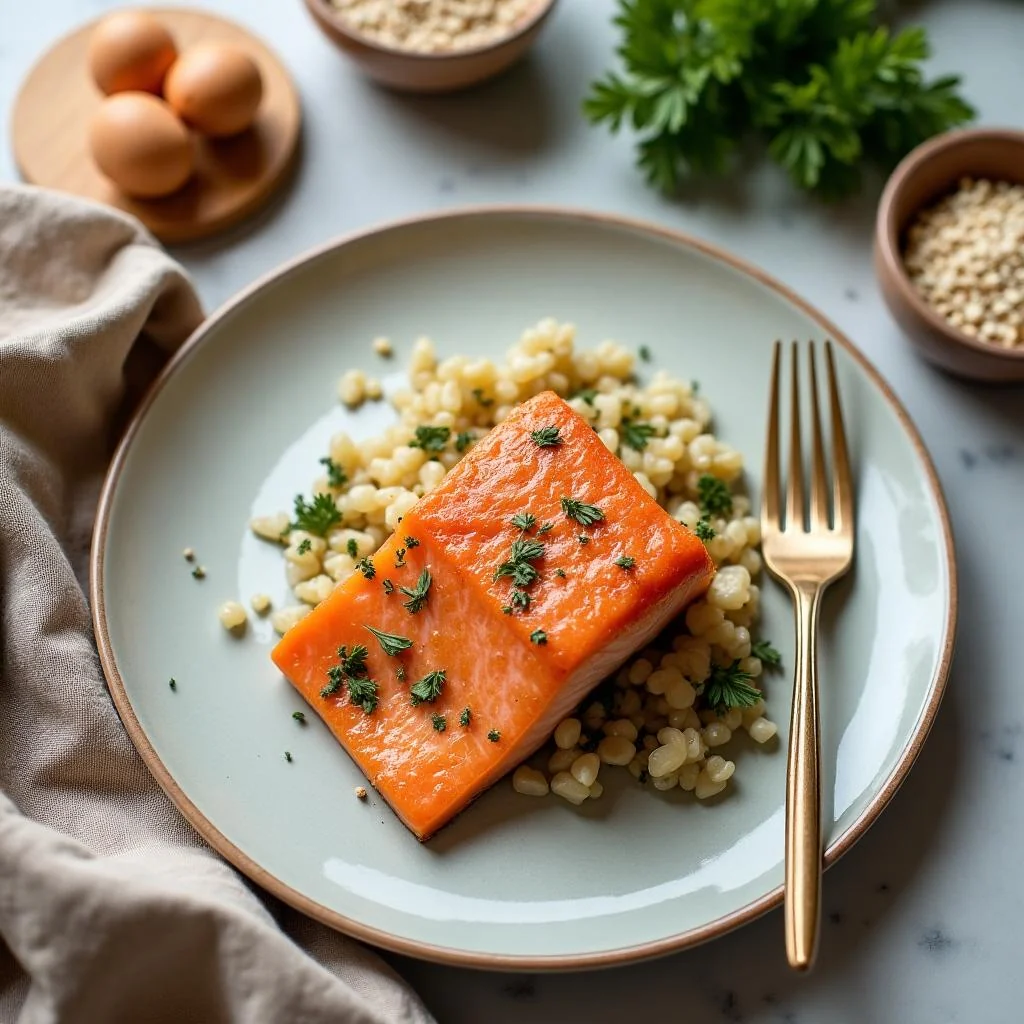
Ingredients
- 4 tablespoons olive oil
- 2 tablespoons butter
- 2 salmon fillets (6 ounces each)
- 1 teaspoon salt
- 1/2 teaspoon black pepper
- 1/2 teaspoon garlic powder
- 1/2 teaspoon paprika
- 1/4 teaspoon cayenne pepper
- 1/4 cup rice flour
- 1/4 cup tapioca starch
- 1/2 teaspoon xanthan gum
- 2 tablespoons chopped fresh parsley
Instructions
- Preheat the oven to 400 F (200 C).
- Line a large baking sheet with parchment paper or aluminum foil, leaving enough overhang on the sides to easily lift the salmon fillets off the sheet.
- In a small bowl, mix together the olive oil, butter, salt, black pepper, garlic powder, paprika, and cayenne pepper.
- Place the salmon fillets on the prepared baking sheet, leaving about 1 inch of space between each fillet.
- Brush the top of each salmon fillet with the olive oil mixture, making sure to coat it evenly.
- In a separate bowl, mix together the rice flour, tapioca starch, and xanthan gum.
- Sprinkle the rice flour mixture evenly over the top of each salmon fillet, making sure to coat it completely.
- Bake the salmon fillets in the preheated oven for 12-15 minutes, or until they reach an internal temperature of 145 F (63 C).
- Check the internal temperature of the salmon fillets with an instant-read thermometer in the thickest part of the fillet.
- Once the salmon fillets are cooked, remove them from the oven and let them rest for 2-3 minutes.
- Sprinkle the chopped fresh parsley over the top of each salmon fillet and serve immediately.