
Gluten Free Fettuccine Alfredo
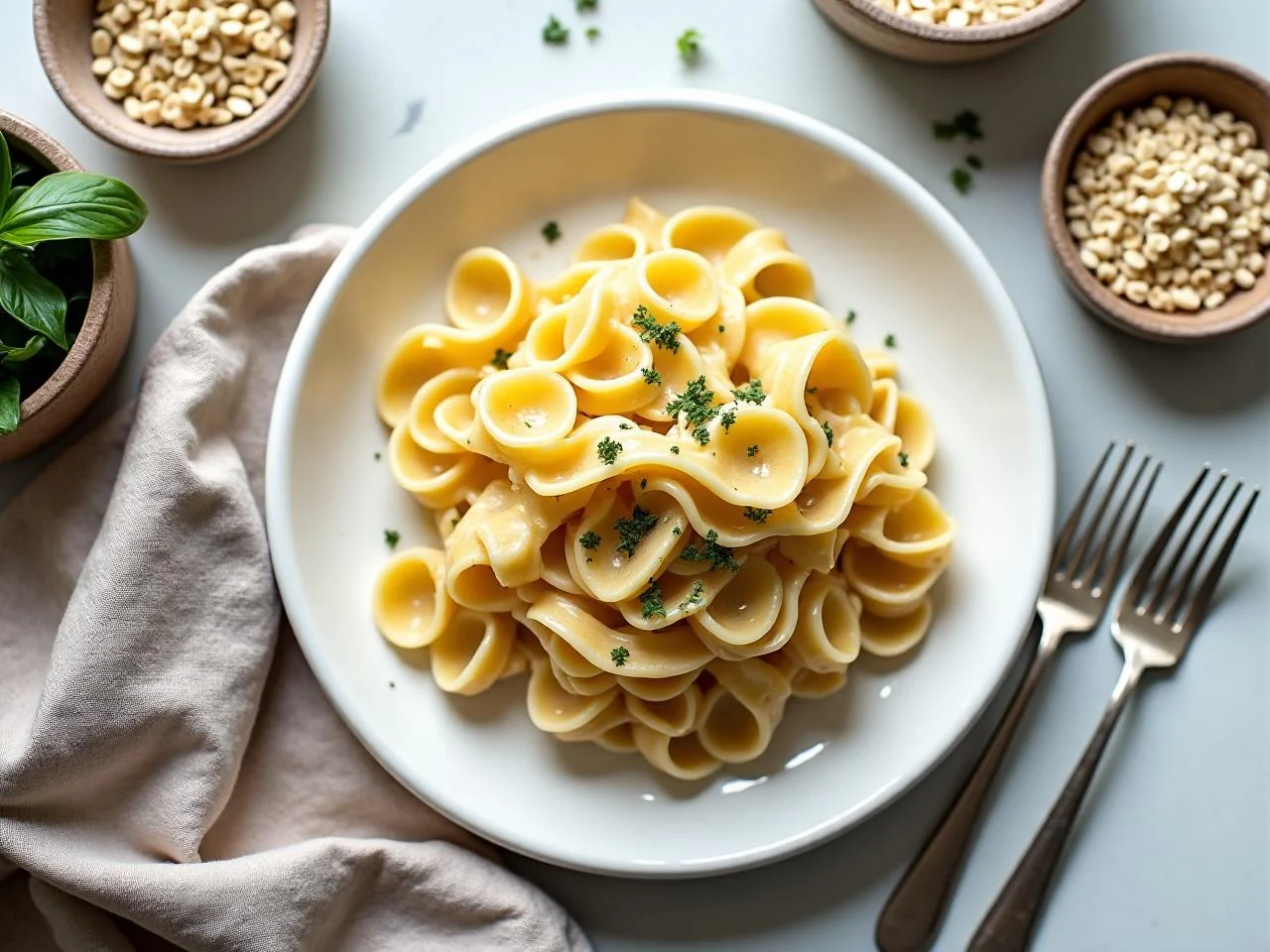
There's something undeniably comforting about a well-made fettuccine alfredo, the kind of dish that wraps you in warmth and familiarity with each creamy, cheesy bite. For those of us who've had to adapt to a gluten-free diet, the thought of giving up this Italian classic can be daunting. But fear not, dear friends, because with the right techniques and ingredients, you can enjoy a gluten-free fettuccine alfredo that's just as rich and satisfying as its traditional counterpart.
My journey into gluten-free cooking began several years ago, after a diagnosis that forced me to reevaluate my relationship with food. It wasn't easy at first; the learning curve was steep, and the early attempts at gluten-free baking and cooking were often more miss than hit. However, with time, patience, and a willingness to experiment, I discovered that the key to successful gluten-free cooking lies not in the absence of gluten, but in the understanding of how different ingredients interact and the techniques that bring them together.
This recipe for gluten-free fettuccine alfredo is the culmination of that journey, a dish that I'm excited to share with you. It's designed for anyone looking to enjoy the comforts of Italian cuisine without the gluten, whether you're a seasoned cook or just starting out on your gluten-free adventure. So, let's dive in and explore the world of gluten-free pasta, where the right blend of flours and a little bit of love can transport you to the Tuscan countryside, if only for a meal.
The beauty of this dish lies in its simplicity and the quality of its components. A good gluten-free fettuccine alfredo starts with a well-made pasta, which we'll create from a balanced blend of rice flour, tapioca starch, and a touch of xanthan gum to help replicate the binding properties of gluten. Then, it's all about the sauce—a rich, creamy alfredo made with butter, cream, Parmesan cheese, and a pinch of salt and pepper to bring it all together.
This recipe is perfect for a weeknight dinner when you want something comforting but don't have a lot of time to spare. It's also a great dish to make for guests, as it's impressive yet straightforward to prepare. Whether you're cooking for one or for many, the key to a successful gluten-free fettuccine alfredo is in the details, from the initial hydration of your flour blend to the final toss with the alfredo sauce.
Why You’ll Love This Recipe
- This recipe is easy to follow and requires minimal special equipment, making it accessible to cooks of all levels.
- The dish is incredibly versatile and can be served as a main course, side dish, or even as part of a larger Italian-themed meal.
- Gluten-free fettuccine alfredo is a crowd-pleaser, perfect for family dinners or entertaining guests who may have dietary restrictions.
- The recipe is relatively quick to prepare, with the pasta and sauce coming together in under an hour, making it ideal for weeknight meals.
- It's a great way to introduce gluten-free eating to those who might be skeptical, as the dish is so flavorful and satisfying that it challenges the notion that gluten-free food is somehow less enjoyable.
- The components of the dish can be made ahead of time and refrigerated or frozen, which is convenient for meal planning and prep.
Why This Recipe Works
The success of this gluten-free fettuccine alfredo can be attributed to several key factors, starting with the choice of flours. Rice flour provides structure, tapioca starch adds a light, airy texture, and xanthan gum helps to bind the ingredients together, mimicking the effect of gluten in traditional pasta. The hydration process is also crucial, as it allows the starches to fully absorb the liquid, resulting in a tender, non-gritty pasta.
The alfredo sauce is another critical component, and its richness is balanced by the lightness of the gluten-free pasta. The combination of butter, cream, and Parmesan cheese creates a sauce that's both creamy and nuanced, with a depth of flavor that complements the pasta perfectly. The technique of slowly whisking in the cream and then removing the sauce from the heat to stir in the Parmesan ensures that the sauce remains smooth and creamy, rather than separating or becoming too thick.
Resting the pasta dough for a period after mixing is also essential, as it allows the gluten-free flours to fully hydrate and the xanthan gum to do its job, resulting in a more pliable and easier-to-roll-out dough. This step, often overlooked in haste, makes a significant difference in the final texture of the pasta.
Lastly, the cooking of the pasta itself requires attention to detail. Since gluten-free pasta can be more delicate than its traditional counterpart, it's crucial to cook it until it's al dente, then immediately drain and toss it with the alfredo sauce to prevent it from becoming mushy. This balance of textures—the firm pasta and the creamy sauce—creates a dish that's not only delicious but also satisfying to eat.
Ingredients You’ll Need
When it comes to making gluten-free fettuccine alfredo, the quality of your ingredients can make a significant difference in the final dish. Look for high-quality rice flour that's finely milled and fresh, as this will affect the texture of your pasta. Similarly, choose a good Parmesan cheese that's rich and nutty, as this will be the backbone of your alfredo sauce. Don't forget to select a high-quality butter and cream, as these will add depth and richness to your sauce.
Shopping for gluten-free ingredients can sometimes feel overwhelming, especially for those new to gluten-free cooking. A good rule of thumb is to read labels carefully and look for certifications from reputable gluten-free organizations. This ensures that the ingredients you're using are not only gluten-free but also processed in a facility that takes cross-contamination seriously.
- 1 1/2 cups rice flourRice flour is the base of our gluten-free pasta, providing structure and texture. Look for a finely milled, fresh rice flour for the best results.
- 1/2 cup tapioca starchTapioca starch adds lightness and helps with texture, making the pasta less dense. It's a common ingredient in gluten-free baking and cooking.
- 1 teaspoon xanthan gumXanthan gum is a crucial ingredient in gluten-free pasta, as it helps to bind the ingredients together, mimicking the effect of gluten. Use it sparingly, as too much can make the pasta tough.
- 1/4 teaspoon saltSalt enhances the flavor of the pasta and helps with the binding process. Use a high-quality salt for the best flavor.
- 2 large eggsEggs are the liquid component of our pasta dough, providing moisture and helping to bind the flours together. Fresh eggs are essential for the best texture.
- 1/2 cup unsalted butterButter is the foundation of our alfredo sauce, providing richness and flavor. Use high-quality, unsalted butter for the best taste.
- 1 cup heavy creamHeavy cream adds creaminess and depth to the alfredo sauce. It's essential to use full-fat cream for the richest flavor.
- 1 cup grated Parmesan cheeseParmesan cheese is the star of the alfredo sauce, providing a salty, nutty flavor that complements the pasta perfectly. Freshly grate your Parmesan for the best flavor.
- 2 cloves garlic, mincedGarlic adds a subtle depth to the alfredo sauce, enhancing the overall flavor. Use fresh garlic for the best taste.
- 1/2 teaspoon black pepperBlack pepper complements the other flavors in the dish, adding a touch of spice and warmth. Use freshly ground pepper for the best flavor.
- Fresh parsley, 1/4 cup choppedFresh parsley adds a bright, fresh flavor to the dish, cutting through the richness of the alfredo sauce. Use curly-leaf parsley for the best texture and flavor.
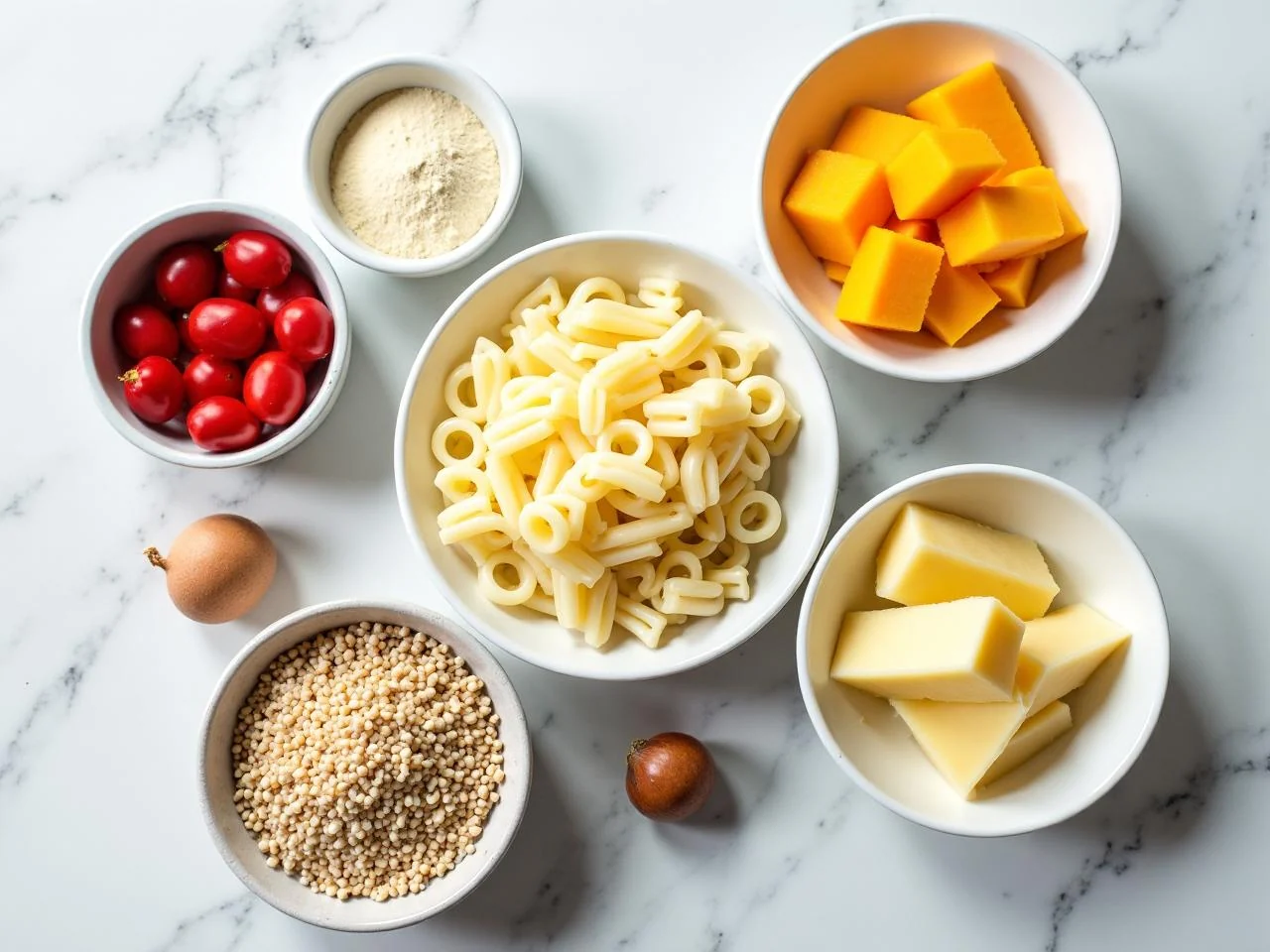
Equipment You’ll Need
How to Make Gluten Free Fettuccine Alfredo
- 1In a large mixing bowl, combine the rice flour, tapioca starch, xanthan gum, and salt. Whisk these dry ingredients together until they're well combined, ensuring an even distribution of the xanthan gum.
- 2Create a well in the center of the flour mixture and crack in the eggs. Using a fork, gradually incorporate the flour into the eggs, starting from the inner rim of the well and working your way outwards. As you mix, you'll start to see the dough come together in a shaggy mass.
- 3Knead the dough on a floured surface for about 10 minutes, until it becomes smooth and elastic. You can also use a stand mixer with a dough hook attachment for this step. The key is to develop the dough's structure without overworking it, which can make it tough.
- 4Wrap the dough in plastic wrap and let it rest at room temperature for at least 30 minutes. This resting period is crucial, as it allows the gluten-free flours to fully hydrate and the xanthan gum to do its job, making the dough easier to roll out and shape.
- 5Divide the rested dough into 4 equal pieces and work with one piece at a time. Use a pasta machine or a sharp knife to roll out the dough into thin sheets, aiming for a thickness of about 1/16 inch. If using a pasta machine, start at the thickest setting and gradually decrease the thickness as you roll.
- 6Cut the rolled-out pasta into long, thin fettuccine noodles. You can use a pasta cutter or a sharp knife for this step. Hang the cut noodles over a clean towel or pasta drying rack to dry for at least 30 minutes, which will help remove excess moisture and prevent the noodles from sticking together.
- 7Bring a large pot of salted water to a boil and cook the fettuccine noodles until they're al dente, which should take about 2-3 minutes. The noodles are done when they still have a bit of bite or chew to them. Immediately drain the noodles in a colander and set them aside.
- 8In a large skillet, melt the butter over medium heat. Add the minced garlic and cook for about 1 minute, until fragrant, being careful not to burn the garlic. Then, pour in the heavy cream and bring the mixture to a simmer.
- 9Let the cream simmer for about 2-3 minutes, until it starts to thicken and reduce slightly. You'll know it's ready when it coats the back of a spoon. Remove the skillet from the heat.
- 10Stir the grated Parmesan cheese into the cream sauce until it's fully melted and the sauce is smooth. Season the sauce with salt and black pepper to taste, adjusting the seasoning as needed to balance the flavors.
- 11Add the cooked fettuccine noodles to the skillet with the alfredo sauce and toss everything together until the noodles are well coated. The heat from the noodles will help to melt any remaining cheese and create a creamy, well-balanced sauce.
- 12Serve the gluten-free fettuccine alfredo hot, garnished with chopped fresh parsley and additional Parmesan cheese if desired. The parsley adds a bright, fresh note to the dish, while the extra cheese provides an intense, salty flavor.
Expert Tips
- Always use fresh, high-quality ingredients for the best flavor and texture.
- Don't overwork the pasta dough, as this can make it tough and dense.
- Let the pasta rest for the recommended time to ensure it's easy to roll out and shape.
- Use a light touch when tossing the cooked noodles with the alfredo sauce to prevent them from becoming mushy or over-coated.
- Consider making the alfredo sauce ahead of time and refrigerating it until you're ready to serve, as this can save time and reduce stress during meal prep.
- For an extra rich sauce, add some grated nutmeg or a pinch of red pepper flakes to the alfredo sauce and adjust to taste.
- Experiment with different types of cheese, such as Asiago or Romano, to find the combination that you enjoy the most.
- To freeze the pasta, shape it as desired, then place it on a baking sheet lined with parchment paper. Once frozen, transfer the pasta to an airtight container or freezer bag for storage.
Common Mistakes to Avoid
- Not letting the pasta dough rest long enough, which can result in a dense or tough final product.
- Overcooking the fettuccine noodles, which makes them mushy and unappetizing.
- Not using enough xanthan gum, which can affect the texture and structure of the pasta.
- Adding too much cream to the alfredo sauce, which can make it too thin and unbalanced.
- Not seasoning the sauce adequately, which can result in a flat or boring flavor.
- Using low-quality cheese, which can affect the overall taste and texture of the dish.
Variations and Substitutions
- Add some diced chicken or shrimp to the alfredo sauce for added protein and flavor.
- Use different types of cheese, such as goat cheese or feta, to create a unique flavor profile.
- Add some steamed vegetables, such as broccoli or asparagus, to the dish for added nutrition and color.
- Use gluten-free flours other than rice flour, such as quinoa or corn flour, to create a different texture and flavor.
- Add some spice to the alfredo sauce with red pepper flakes or diced jalapenos.
- Use this basic recipe as a starting point and experiment with different sauces, such as a tomato-based sauce or a pesto sauce.
- Consider adding some toasted nuts or seeds, such as pine nuts or sesame seeds, to the dish for added crunch and flavor.
What to Serve With Gluten Free Fettuccine Alfredo
Serve the gluten-free fettuccine alfredo hot, garnished with chopped fresh parsley and additional Parmesan cheese if desired. This dish pairs well with a simple green salad, roasted vegetables, or garlic bread for a more filling meal. For a special occasion, consider adding some sautéed mushrooms, cherry tomatoes, or grilled chicken to the dish for added flavor and texture.
When it comes to drinks, a dry white wine such as Pinot Grigio or Sauvignon Blanc pairs nicely with the creamy alfredo sauce, while a sparkling water with a squeeze of lemon can help cut the richness of the dish. For dessert, consider something light and refreshing, such as a fruit salad or sorbet, to balance out the meal.
Make-Ahead, Storage, Freezing and Reheating
The gluten-free fettuccine alfredo can be made ahead of time and stored in the refrigerator for up to 3 days or frozen for up to 2 months. To refrigerate, let the dish cool completely, then cover it with plastic wrap or aluminum foil and store it in the refrigerator. To freeze, let the dish cool completely, then transfer it to an airtight container or freezer bag and store it in the freezer.
To reheat the dish, simply microwave it for a few minutes or reheat it in the oven at 350°F (180°C) for about 10-15 minutes, until the sauce is hot and the noodles are warmed through. Be careful not to overheat the dish, as this can cause the sauce to separate or the noodles to become mushy.
In addition to the cooked dish, you can also store the components separately. The pasta can be frozen after it's been shaped, and the alfredo sauce can be refrigerated or frozen and reheated as needed. This makes it easy to prepare the dish in advance and assemble it just before serving.
When freezing the pasta, it's a good idea to freeze it in a single layer on a baking sheet lined with parchment paper, then transfer it to an airtight container or freezer bag once it's frozen solid. This prevents the pasta from sticking together and makes it easier to cook the desired amount. Similarly, when freezing the alfredo sauce, consider dividing it into smaller portions and freezing them in ice cube trays or airtight containers, which makes it easy to thaw and reheat just the amount you need.
Frequently Asked Questions
What type of flour is best for gluten-free pasta?
A combination of rice flour, tapioca starch, and xanthan gum works well for gluten-free pasta, as it provides structure, texture, and helps to bind the ingredients together.
How do I prevent the pasta from becoming mushy?
To prevent the pasta from becoming mushy, cook it until it's al dente, then immediately drain it and toss it with the alfredo sauce. This helps to stop the cooking process and prevents the noodles from absorbing too much of the sauce.
Can I use different types of cheese in the alfredo sauce?
Yes, you can experiment with different types of cheese to find the combination that you enjoy the most. Some options include Parmesan, Asiago, Romano, and mozzarella.
How do I store the gluten-free fettuccine alfredo?
The dish can be stored in the refrigerator for up to 3 days or frozen for up to 2 months. To refrigerate, let the dish cool completely, then cover it with plastic wrap or aluminum foil and store it in the refrigerator. To freeze, let the dish cool completely, then transfer it to an airtight container or freezer bag and store it in the freezer.
Can I make the pasta ahead of time?
Yes, you can make the pasta ahead of time and store it in the refrigerator or freezer. To freeze the pasta, shape it as desired, then place it on a baking sheet lined with parchment paper. Once frozen, transfer the pasta to an airtight container or freezer bag for storage.
How do I reheat the gluten-free fettuccine alfredo?
To reheat the dish, simply microwave it for a few minutes or reheat it in the oven at 350°F (180°C) for about 10-15 minutes, until the sauce is hot and the noodles are warmed through. Be careful not to overheat the dish, as this can cause the sauce to separate or the noodles to become mushy.
Is gluten-free pasta healthier than traditional pasta?
Gluten-free pasta can be a healthier option for those with gluten intolerance or sensitivity, as it eliminates the gluten protein that can cause adverse reactions. However, it's not necessarily healthier than traditional pasta in terms of nutritional content, as it often has a similar calorie and carbohydrate profile.
Can I use gluten-free flour blends to make the pasta?
Yes, you can use gluten-free flour blends to make the pasta, but be sure to follow the package instructions for the correct ratio of flours and liquids. Some gluten-free flour blends may require additional xanthan gum or other ingredients to achieve the right texture and structure.
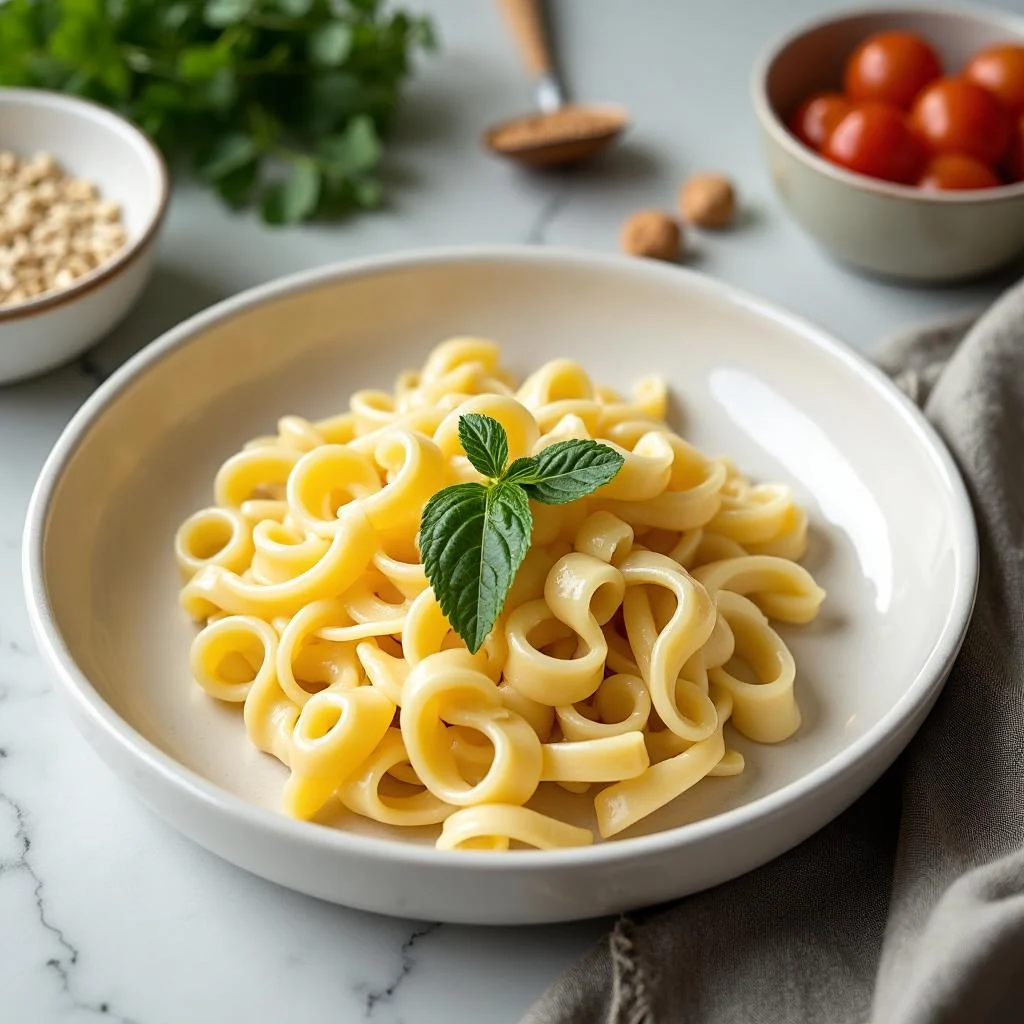
Ingredients
- 1 1/2 cups rice flour
- 1/2 cup tapioca starch
- 1 teaspoon xanthan gum
- 1/4 teaspoon salt
- 2 large eggs
- 1/2 cup unsalted butter
- 1 cup heavy cream
- 1 cup grated Parmesan cheese
- 2 cloves garlic, minced
- 1/2 teaspoon black pepper
- Fresh parsley, 1/4 cup chopped
Instructions
- In a large mixing bowl, combine the rice flour, tapioca starch, xanthan gum, and salt. Whisk these dry ingredients together until they're well combined, ensuring an even distribution of the xanthan gum.
- Create a well in the center of the flour mixture and crack in the eggs. Using a fork, gradually incorporate the flour into the eggs, starting from the inner rim of the well and working your way outwards. As you mix, you'll start to see the dough come together in a shaggy mass.
- Knead the dough on a floured surface for about 10 minutes, until it becomes smooth and elastic. You can also use a stand mixer with a dough hook attachment for this step. The key is to develop the dough's structure without overworking it, which can make it tough.
- Wrap the dough in plastic wrap and let it rest at room temperature for at least 30 minutes. This resting period is crucial, as it allows the gluten-free flours to fully hydrate and the xanthan gum to do its job, making the dough easier to roll out and shape.
- Divide the rested dough into 4 equal pieces and work with one piece at a time. Use a pasta machine or a sharp knife to roll out the dough into thin sheets, aiming for a thickness of about 1/16 inch. If using a pasta machine, start at the thickest setting and gradually decrease the thickness as you roll.
- Cut the rolled-out pasta into long, thin fettuccine noodles. You can use a pasta cutter or a sharp knife for this step. Hang the cut noodles over a clean towel or pasta drying rack to dry for at least 30 minutes, which will help remove excess moisture and prevent the noodles from sticking together.
- Bring a large pot of salted water to a boil and cook the fettuccine noodles until they're al dente, which should take about 2-3 minutes. The noodles are done when they still have a bit of bite or chew to them. Immediately drain the noodles in a colander and set them aside.
- In a large skillet, melt the butter over medium heat. Add the minced garlic and cook for about 1 minute, until fragrant, being careful not to burn the garlic. Then, pour in the heavy cream and bring the mixture to a simmer.
- Let the cream simmer for about 2-3 minutes, until it starts to thicken and reduce slightly. You'll know it's ready when it coats the back of a spoon. Remove the skillet from the heat.
- Stir the grated Parmesan cheese into the cream sauce until it's fully melted and the sauce is smooth. Season the sauce with salt and black pepper to taste, adjusting the seasoning as needed to balance the flavors.
- Add the cooked fettuccine noodles to the skillet with the alfredo sauce and toss everything together until the noodles are well coated. The heat from the noodles will help to melt any remaining cheese and create a creamy, well-balanced sauce.
- Serve the gluten-free fettuccine alfredo hot, garnished with chopped fresh parsley and additional Parmesan cheese if desired. The parsley adds a bright, fresh note to the dish, while the extra cheese provides an intense, salty flavor.