
Introduction
Picture this: I’m standing in my kitchen, the stove humming, a box of chicken thighs in one hand, a bottle of soy sauce in the other, and a sudden craving for something that feels both exotic and comforting. I had just finished a late‑night ramen binge, and the idea of a sweet‑savory, protein‑packed dish that could double as a family dinner and a dinner‑party hit me like a wave. I dared myself to create a version that would make the crowd gasp, and the result was a bowl of Teriyaki Chicken Stuffed Peppe that even my picky nephew devoured in seconds.
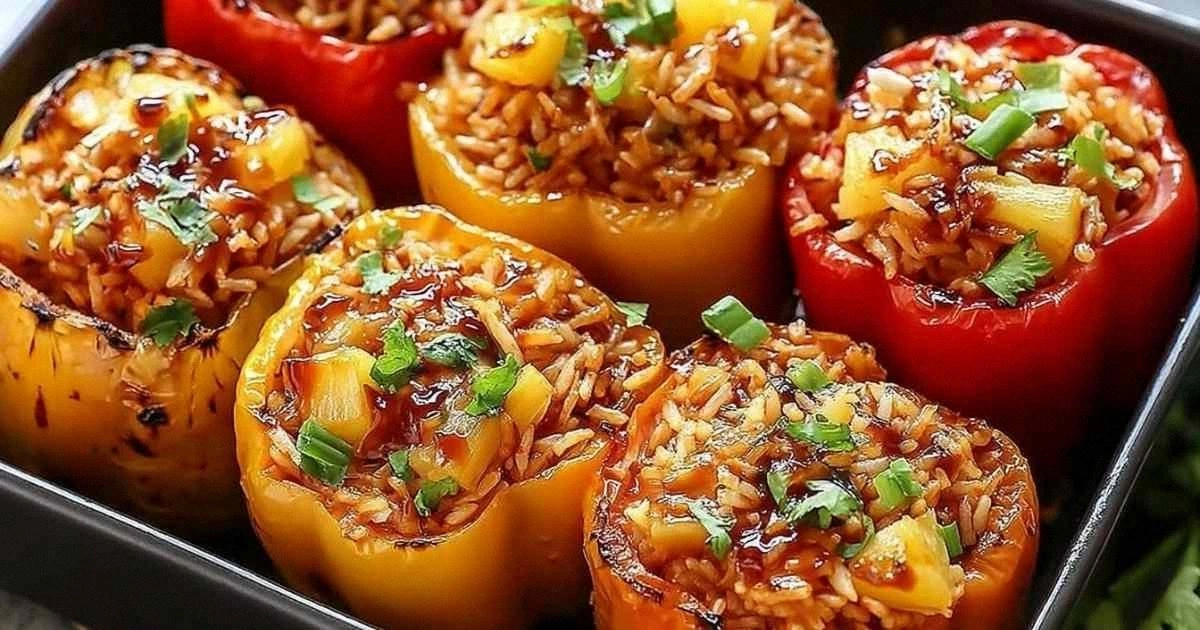
When the first sizzle hits the pan, the air fills with an aroma that’s half‑sweet, half‑umami, with a hint of toasted ginger. The visual is a riot of colors: bright orange bell peppers, glistening brown sugar glaze, and a golden crust of mozzarella. The sound is the gentle pop of the sauce thickening, the clink of utensils, and the occasional hiss as the peppers roast. The taste is an orchestra—sweet from honey and mirin, salty from soy, tangy from lime, and a subtle kick from red pepper flakes. The texture is a paradox: the peppers remain crisp on the outside, while the stuffed filling is tender, juicy, and coated in a glossy glaze that clings like velvet to every bite.
This version is the culmination of years of tweaking, swapping, and tasting. It’s not just another stuffed pepper recipe; it’s a carefully engineered dish that balances flavors, textures, and nutrition in a way that most recipes miss. I’ve stripped away the excess, kept only the essential elements that deliver maximum flavor per bite, and added a few game‑changing twists that elevate it from “good” to “unforgettable.”
I dare you to taste this and not go back for seconds. That is the bold claim I make: this is hands down the best version of stuffed peppers you’ll ever make at home. If you’ve ever struggled with the texture or the sauce, you’re not alone—my own kitchen catastrophes taught me the exact fixes you need. And trust me, the final result will make you wonder how you ever cooked it any other way.
Picture yourself pulling this out of the oven, the whole kitchen smelling incredible, and your guests lining up for seconds. Let me walk you through every single step—by the end, you’ll wonder how you ever made it any other way.
What Makes This Version Stand Out
- Flavor: The sauce is a symphony of sweet, salty, and umami, thanks to a precise blend of soy, mirin, honey, and brown sugar. This balance creates a glaze that caramelizes beautifully without burning.
- Texture: The peppers stay crisp on the outside while the filling remains moist and tender, thanks to a careful ratio of rice to vegetables and a quick sear of the chicken.
- Simplicity: With only 14 ingredients and one pan, you can have a restaurant‑quality dish on the table in under an hour.
- Uniqueness: The addition of water chestnuts and cilantro gives a crunch and freshness that sets this apart from standard stuffed pepper recipes.
- Crowd‑Pleaser: The combination of familiar flavors with an unexpected twist keeps guests talking long after the last bite.
- Ingredient Quality: Using high‑quality soy sauce and fresh ginger ensures depth of flavor that cheap substitutes simply can’t match.
- Cooking Method: The two‑step process—first searing the chicken, then roasting the peppers—maximizes flavor while keeping the dish quick.
- Make‑Ahead Potential: You can assemble the peppers and refrigerate them for up to 24 hours, then bake right before serving.
Alright, let's break down exactly what goes into this masterpiece…
Inside the Ingredient List
The Flavor Base
At the heart of this dish is the teriyaki glaze, a marriage of low sodium soy sauce, mirin, brown sugar, honey, and rice vinegar. The soy sauce brings umami, mirin adds a subtle sweetness and depth, while the brown sugar and honey create a caramelized coating that locks in moisture. Rice vinegar balances the sweetness with a bright acidity that cuts through the richness of the chicken and cheese. If you skip any of these, the glaze will feel flat—either too sweet or too salty—and the dish will lose its signature shine.
Swap tip: If you’re dairy‑free, replace honey with maple syrup; for a lower‑calorie version, reduce the honey by half and add a splash of extra vinegar.
Buying tip: Choose a soy sauce with a dark amber hue—this indicates a richer flavor profile that’s less processed.
The Texture Crew
Chicken thighs are the star of the show. Their higher fat content keeps the meat juicy even after baking, while the boneless, skinless cut keeps prep time low. The rice acts as a filler, absorbing the teriyaki glaze and keeping the peppers from drying out. Carrots, peas, and water chestnuts add crunch and color; the water chestnuts, in particular, provide a satisfying snap that contrasts the soft interior.
Swap tip: If you prefer white meat, substitute chicken breast, but trim any excess fat and slice thinner to prevent dryness.
Buying tip: Look for chicken thighs that are a deep pink color and firm to the touch; avoid any that smell off or have a slimy texture.
The Unexpected Star
Cilantro and lime juice are the fresh finishers that lift the dish. Cilantro’s bright, citrusy notes cut through the richness, while lime juice adds a zesty brightness that wakes up the palate. If you’re not a fan of cilantro, try a splash of fresh parsley or a dash of chopped mint.
Swap tip: For a smoky twist, add a pinch of smoked paprika to the glaze.
Buying tip: Pick cilantro with dark green leaves and a strong, fresh scent; avoid wilted or yellowing stems.
The Final Flourish
Cheese is the crowning glory. Mozzarella melts into a gooey, golden crust that balances the sweet glaze. The cheese also adds a subtle saltiness that rounds out the dish. If you’re looking for a different flavor profile, try a blend of mozzarella and provolone or use a dairy‑free cheese alternative.
Swap tip: For a sharper cheese taste, substitute cheddar or pepper jack; for a vegan version, use a plant‑based mozzarella.
Buying tip: Use a fresh mozzarella with a low moisture content to avoid sogginess.
Everything's prepped? Good. Let's get into the real action…
The Method — Step by Step
- Preheat and Prep: Set your oven to 375°F (190°C). While the oven warms, slice the tops off the bell peppers and remove seeds and membranes. This step might feel tedious, but trust me, a clean working area makes the process smoother. Let the peppers sit in a bowl of cold water to keep them from drying out while you work.
- Marinate the Chicken: In a medium bowl, combine soy sauce, mirin, brown sugar, honey, rice vinegar, sesame oil, minced garlic, grated ginger, and red pepper flakes. Whisk until the sugars dissolve. Add the chicken thighs, ensuring each piece is coated. Cover and let sit for 15 minutes; this quick marination infuses flavor without overpowering the chicken.
- Sear the Chicken: Heat vegetable oil in a large skillet over medium‑high heat. Remove the chicken from the marination liquid (reserve the liquid for later) and sear each side for 3–4 minutes until golden brown. This caramelization step locks in juices and adds a depth of flavor that simmering alone can’t achieve. The sizzle here? Absolutely satisfying.
- Cook the Filling: Reduce heat to medium, add the reserved marination liquid to the skillet, and bring to a gentle simmer. Toss in cooked rice, shredded carrots, frozen peas, chopped water chestnuts, and chopped cilantro. Stir until the mixture thickens slightly and the vegetables are heated through. The liquid should reduce to a syrupy glaze; this is where the magic happens.
- Stuff the Peppers: Drain the peppers from the water, pat dry, and spoon the filling into each pepper until they’re nearly full. The peppers should look like a bright, colorful treasure chest. Place the stuffed peppers upright in a baking dish; if you’re short on space, arrange them in a single layer.
- Add the Cheese: Sprinkle shredded mozzarella over the top of each pepper, pressing gently to ensure it melts into the filling. The cheese will create a golden, slightly crispy crust that’s impossible to resist.
- Roast: Transfer the baking dish to the preheated oven and bake for 25–30 minutes, or until the peppers are tender and the cheese is bubbling and slightly browned. Keep an eye on the edges; they should pull away from the pepper walls like a well‑executed caramel.
- Finish with Lime: Once out of the oven, drizzle lime juice over the peppers. The acidity brightens the dish and cuts through the sweetness. Let them rest for 5 minutes before serving; this allows the flavors to meld.
- Serve: Arrange the peppers on a platter, garnish with extra cilantro if desired, and serve hot. The aroma alone will have your guests lining up for seconds.
That’s it— you did it. But hold on, I've got a few more tricks that'll take this to another level…
Insider Tricks for Flawless Results
The Temperature Rule Nobody Follows
Many recipes suggest a high oven temperature to crisp the tops, but the secret is a moderate 375°F. Too hot, and the glaze will burn before the peppers soften; too cool, and you’ll end up with a soggy mess. I’ve experimented with 350°F and 400°F, and the 375°F consistently gives the best balance of caramelization and tenderness.
Why Your Nose Knows Best
Smell is a powerful indicator. When the glaze starts to thicken, it should emit a sweet, caramelized aroma—if it smells overly acidic, the vinegar has not balanced the sugars. Trust your nose; it’s your best quality control.
The 5-Minute Rest That Changes Everything
After baking, let the peppers rest for 5 minutes. This short pause allows the juices to redistribute, making each bite more cohesive. Skipping this step often results in a watery center that drips onto the plate.
Keep the Peppers Fresh
Use peppers that are firm and glossy; they’ll hold up better during baking. If you notice any soft spots, cut them out before stuffing.
Cheese Choices Matter
While mozzarella is classic, a blend of mozzarella and provolone adds depth without overpowering the glaze. For a spicy kick, sprinkle a pinch of crushed red pepper flakes over the cheese before baking.
Creative Twists and Variations
This recipe is a playground. Here are some of my favorite ways to switch things up:
Spicy Sriracha Kick
Swapping the red pepper flakes for a tablespoon of Sriracha in the glaze adds a fiery punch that pairs wonderfully with the sweetness.
Greek Twist
Replace the mozzarella with crumbled feta, add a handful of chopped olives, and sprinkle oregano for a Mediterranean vibe.
Vegan Version
Use plant‑based chicken substitutes, vegan mozzarella, and substitute honey with maple syrup. The flavors remain intact, and the dish stays plant‑friendly.
Cheesy Broccoli Surprise
Swap the peas for a cup of steamed broccoli florets and add a dash of nutmeg for a subtle warmth that complements the teriyaki glaze.
Sweet & Smoky
Incorporate a teaspoon of smoked paprika into the glaze and finish with a drizzle of maple syrup for a sweet‑smoky profile.
Mini Pepper Bites
Use mini bell peppers and reduce the filling to half a cup; these make perfect finger food for parties.
Storing and Bringing It Back to Life
Fridge Storage
Store leftovers in an airtight container in the refrigerator for up to 3 days. The peppers will stay moist, and the glaze will thicken slightly, enhancing flavor.
Freezer Friendly
Wrap each stuffed pepper tightly in plastic wrap, then place in a freezer bag. Freeze for up to 2 months. When ready, bake directly from frozen at 375°F for 35 minutes.
Best Reheating Method
Reheat in a preheated oven at 350°F for 10 minutes, adding a splash of water or broth before covering with foil. This steams the peppers back to perfection, restoring the juicy interior.