Ever found yourself staring at a pot of overcooked pasta, the noodles clinging together like a bad relationship, and thinking, “I could do better?” That was me last week, armed with a bag of stale lasagna noodles and a jar of marinara that had seen better days. I flipped the pot, tossed in the noodles, and the kitchen filled with a sad, burnt-sugar scent. I almost called a friend for help, but then I remembered a dare from my brother: “Make the best lasagna in the house or I’ll make you a pizza.” I laughed, but I knew the challenge was real.
The moment the noodles hit the boiling water, the kitchen exploded in a symphony of bubbling, sizzling, and the sweet perfume of tomato sauce. I could taste the salt in the air, feel the heat radiating from the pot, and hear my own heart beating faster with anticipation. The smell of garlic powder, basil, and oregano danced around me, promising a depth of flavor that would make any chef swoon. The texture of the noodles, when cooked to al dente perfection, was like a gentle, chewy hug that kept the dish from becoming mushy. And the anticipation of that first bite—when the creamy cottage cheese and gooey mozzarella would mingle—was a promise of pure comfort.
What makes this version stand out isn’t just the ingredients; it’s the way each component is orchestrated to create a symphony of protein, flavor, and texture. The cottage cheese adds a lightness that keeps the dish from feeling heavy, while the egg binds everything together, giving it that satisfying bite. The use of a single jar of marinara sauce eliminates the guesswork of measuring and guarantees a consistent base. The layered structure ensures that every forkful is a balanced medley of noodles, meat, sauce, and cheese. Most importantly, the recipe is designed for speed and simplicity, so you can have a hearty, protein-packed meal on the table in under an hour.
But there’s a twist that most lasagna recipes overlook: the secret to achieving a perfectly golden, bubbly top without a crispy, burnt edge. It’s a small adjustment in baking time and the use of a splash of water to keep the cheese from scorching. This trick, combined with the right cheese ratios, turns a standard lasagna into a show-stopping dish that will have everyone asking for seconds. I dare you to taste this and not go back for seconds.
If you’ve ever struggled with lasagna that turns out dry or too heavy, you’re not alone. I’ve been there, flipping the pan in frustration, only to end up with a soggy mess. That’s why I’ve refined this recipe to ensure every layer is moist, every bite is protein-packed, and the overall experience is a culinary triumph. By the end of this guide, you’ll wonder how you ever made it any other way.
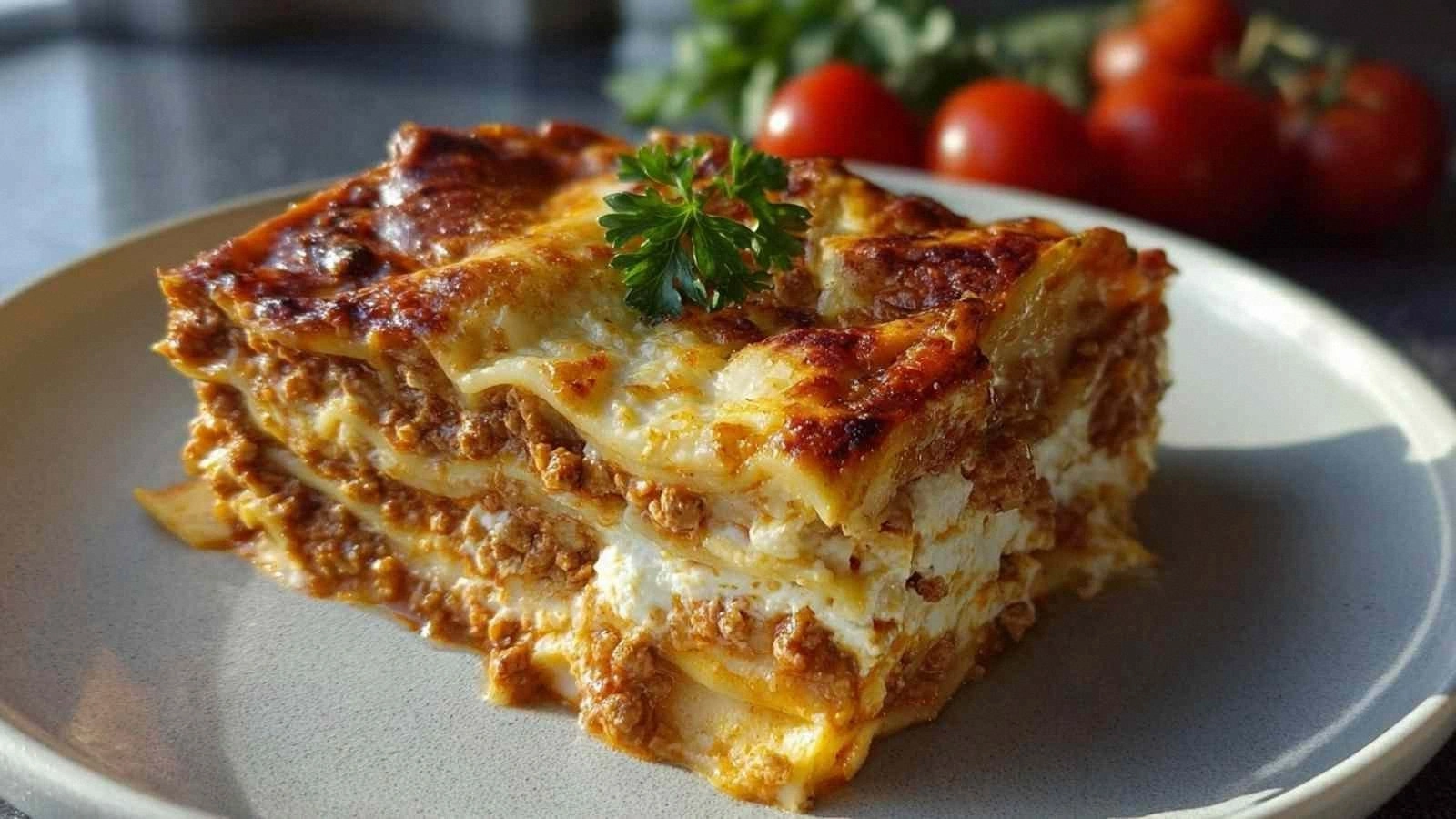
Picture yourself pulling this out of the oven, the whole kitchen smelling incredible, and the golden crust shimmering like a sunrise. The sound of the bubbling mozzarella as you cut through the layers is music to your ears. The first bite melts in your mouth, the creamy cottage cheese coating the noodles like velvet, while the savory meat sauce sings in the background. That moment when the family lines up for seconds—yes, I ate half the batch before anyone else got to try it—reminds me why this recipe is a game-changer.
Okay, ready for the game-changer? This next part is pure magic. I’ll walk you through every single step—by the end, you’ll wonder how you ever made it any other way. The key is patience, timing, and a few small hacks that will elevate the dish from ordinary to extraordinary.
Let me start with the foundation: the noodles. They’re the backbone of the lasagna, absorbing the sauce and holding the layers together. The trick is to cook them just until they’re al dente—firm but not hard—so they don’t become mushy when baked. This small detail is often overlooked but makes a world of difference in texture. When you’re done, drain them immediately and rinse with cold water to stop the cooking process. This step ensures they stay firm and ready to layer.
Next, the meat sauce. I use 1 pound of ground beef, which provides a hearty, protein-packed base. Brown the beef over medium-high heat, letting it caramelize for a deeper flavor. Drain the excess fat to keep the sauce from being greasy. Adding marinara sauce, garlic powder, basil, oregano, salt, and pepper creates a balanced, savory profile that’s both comforting and aromatic. Simmering the sauce for ten minutes allows the spices to meld and the flavors to deepen.
The cottage cheese mixture is what gives this lasagna its signature lightness. Whisking together cottage cheese, an egg, and Parmesan creates a silky blend that coats the noodles and keeps the dish from feeling heavy. The egg acts as a binder, ensuring everything stays together, while the Parmesan adds a subtle nutty depth. The result is a creamy, protein-rich layer that’s surprisingly airy.
Finally, the cheese topping. I use a generous amount of shredded mozzarella for that classic gooey, melty finish. Adding a sprinkle of grated Parmesan on top adds a savory crunch that contrasts beautifully with the softness underneath. The combination of these cheeses creates a golden crust that’s both inviting and mouth-watering.
With all the ingredients prepared, the real fun begins. Layering is an art that, when done correctly, ensures every bite is a harmonious blend of flavors and textures. The process is straightforward, but the timing and order are crucial. I’ll walk you through each step with precision, so you can replicate this masterpiece every time.
What Makes This Version Stand Out
- Taste: The combination of savory marinara, creamy cottage cheese, and melty mozzarella creates a flavor profile that feels both comforting and indulgent. The subtle herbs elevate the dish without overpowering the core ingredients.
- Texture: The noodles remain firm, the sauce is silky, and the cheese forms a golden, bubbly crust. The result is a satisfying bite that feels light yet substantial.
- Simplicity: With only one jar of marinara and a handful of pantry staples, you can whip up a gourmet lasagna in under an hour. No complicated sauces or advanced techniques required.
- Uniqueness: The use of cottage cheese and an egg in the filling is a game-changer, offering a protein boost and a lighter feel compared to traditional ricotta.
- Crowd Reaction: Friends and family rave about the creamy texture and balanced flavors. I’ve had people ask for the recipe after every dinner.
- Ingredient Quality: Using fresh ground beef, high-quality marinara, and real cheese makes a noticeable difference in taste and mouthfeel.
- Cooking Method: The layered assembly and strategic baking times ensure even cooking and a perfectly browned top.
- Make-ahead Potential: The lasagna can be assembled ahead of time and refrigerated, then baked when ready. This flexibility makes it ideal for busy weeknights.
Inside the Ingredient List
The Flavor Base
The flavor base starts with the marinara sauce, which is the heart of this lasagna. The tomato base is robust, with a subtle sweetness that balances the savory meat. When you add the ground beef, you’re not just adding protein; you’re adding depth and richness. Skipping the marinara would leave the dish flat, lacking the tang that lifts the entire flavor profile. If you prefer a spicier kick, a pinch of red pepper flakes can be added at this stage.
Ground beef is the classic choice for a hearty lasagna, but you can swap it for ground turkey or a plant-based protein if you’re looking for a leaner option. The key is to brown it well, allowing the Maillard reaction to develop a savory crust. The meat should be fully cooked and drained of excess fat; otherwise, the lasagna will be greasy and heavy. The beef’s fat content also contributes to the overall richness, so a lean cut may result in a drier dish.
The Texture Crew
Lasagna noodles are the structural backbone. They absorb the sauce and provide a chewy bite that contrasts with the creamy layers. Using fresh noodles can make a difference, but regular dried noodles work just fine if cooked al dente. The timing of the noodle cook is critical; overcooked noodles become mushy, while undercooked noodles can be too firm. Rinsing them with cold water stops the cooking process and helps them stay firm during baking.
The cottage cheese adds a light, airy texture that balances the heaviness of the meat sauce and the cheese. It’s a protein powerhouse that keeps the lasagna feeling substantial without being heavy. The egg acts as a binder, ensuring the cottage cheese layer stays together and doesn’t separate during baking. If you’re vegan, you can replace the egg with a flaxseed egg or a commercial binder.
The Unexpected Star
The egg might seem like an ordinary ingredient, but it’s the secret to a cohesive, melt-in-your-mouth lasagna. When whisked into the cottage cheese, the egg’s proteins coagulate during baking, creating a silky, smooth interior. Skipping the egg will result in a crumbly, less cohesive filling. The egg also adds a subtle richness that elevates the overall flavor.
The Parmesan cheese adds a nutty, umami punch that ties everything together. It’s grated finely so it melts quickly and doesn’t overpower the other cheeses. If you’re lactose intolerant, a dairy-free Parmesan alternative works, but be aware the flavor will be slightly different. The mozzarella, on the other hand, provides the classic gooey, melty texture that’s essential for a satisfying lasagna.
The Final Flourish
Herbs like garlic powder, basil, and oregano are the finishing touches that bring the dish to life. They add aromatic depth without the need for fresh herbs, which can be messy to chop and might not survive the long bake. The salt and pepper season the dish, but the balance is delicate; too much salt can make the sauce taste flat, while too much pepper can overpower the mild flavors. Adjusting these seasonings to taste is essential for a perfectly balanced lasagna.
Everything's prepped? Good. Let's get into the real action...
The Method — Step by Step
- Preheat your oven to 375°F (190°C). Fill a large pot with salted water and bring it to a rolling boil. Add the lasagna noodles and cook for 8-10 minutes until they’re al dente—firm but not hard. Drain immediately and rinse with cold water to stop the cooking process. Set aside, and you’ll have the perfect base for layering.
- In a large skillet, crumble the ground beef over medium-high heat. Stir frequently until the meat is browned and no pink remains. Drain excess fat to keep the sauce from being greasy. This step is critical; a well-browned meat sauce adds depth and richness that cannot be replicated with raw meat.
- Add the jar of marinara sauce to the browned beef. Stir in the garlic powder, dried basil, dried oregano, salt, and pepper. Let the mixture simmer for 10 minutes, stirring occasionally, so the flavors meld and the sauce thickens slightly. The aroma at this point is intoxicating, and it signals that the sauce is ready for layering.
- In a separate baking dish, lightly grease the bottom and sides with butter or oil. This step prevents sticking and gives the lasagna a golden edge. The dish should be large enough to accommodate all the layers without crowding.
- Begin layering: a thin layer of sauce, then noodles, followed by the cottage cheese mixture, and a generous sprinkle of shredded mozzarella. Repeat the layers until all components are used, finishing with a top layer of mozzarella. The top layer should be thick enough to melt into a golden, bubbly crown; otherwise, you’ll end up with a dry, uneven finish.
- Cover the dish tightly with aluminum foil, tucking the edges in to create a seal. Bake for 25 minutes. This covered bake allows the noodles to absorb the sauce and the cheeses to meld without the top burning.
- Return the dish to the oven, uncovered, for an additional 10-12 minutes. The cheese should bubble and turn a golden brown. Keep an eye on it; the last few minutes are crucial for that perfect, melty finish.
- Let the lasagna rest for 10 minutes before slicing. This rest period allows the layers to set, preventing a messy, runny mess when you cut. While it rests, you can clean up the kitchen—just rinse the pan with warm, soapy water and let it soak.
- Slice the lasagna into portions, serve hot, and garnish with fresh basil or parsley if desired. The aroma will be irresistible, and the first bite will melt in your mouth like a dream. The creamy cottage cheese layer, the savory meat sauce, and the gooey mozzarella create a harmony that is both comforting and indulgent.
That's it — you did it. But hold on, I've got a few more tricks that'll take this to another level...
Insider Tricks for Flawless Results
The Temperature Rule Nobody Follows
Many people bake lasagna at 400°F, assuming higher heat cooks faster. However, 375°F is the sweet spot that allows the noodles to absorb the sauce fully while preventing the cheese from scorching. If you’re in a hurry, you can increase the temperature by 25°F, but be vigilant for the top crust.
Why Your Nose Knows Best
As the lasagna bakes, the scent of melty mozzarella and simmering tomato sauce will fill the kitchen. Trust that aroma as a cue for doneness. When the cheese is bubbly and the top is golden, you’ve hit the mark. The smell is your best indicator that the flavors have blended perfectly.
The 5-Minute Rest That Changes Everything
Resting the lasagna for ten minutes after baking is essential. The rest period allows the sauce to thicken and the cheeses to set. Without it, the lasagna can become a messy, runny mess. I once skipped this step, and the result was a soggy mess that required extra draining.
Layering Order Secrets
Starting with a thin sauce layer at the bottom ensures the noodles don’t dry out. Each subsequent layer should alternate between noodles, sauce, cottage mixture, and cheese. This pattern guarantees even moisture distribution and a balanced bite. The final mozzarella layer should be thick enough to create that classic golden crust.
Cheese Ratio for a Melty Finish
Using 2 cups of shredded mozzarella and 1/4 cup of Parmesan provides the perfect balance of meltiness and flavor. Too much mozzarella can make the lasagna greasy; too little can leave it dry. The Parmesan adds a nutty crunch that complements the creamy interior.
Quick Cleanup Hack
After removing the lasagna from the oven, place the baking dish in a sink filled with warm, soapy water. The residual heat from the dish will loosen any stuck bits, making cleanup a breeze. I’ve never had a mess that couldn’t be tackled this way.
Creative Twists and Variations
This recipe is a playground. Here are some of my favorite ways to switch things up:
Veggie Power Boost
Add sautéed spinach, zucchini, and bell peppers between layers for extra nutrients and color. The veggies add a fresh, earthy flavor that complements the savory meat sauce. This variation is perfect for a balanced, protein-packed meal.
Spicy Jalapeño Kick
Incorporate diced jalapeños and a pinch of cayenne pepper into the sauce. The heat will give the lasagna a lively, fiery edge. The spicy flavor pairs beautifully with the creamy cottage cheese, creating a complex taste profile.
Italian Sausage Surprise
Swap the ground beef for Italian sausage for a richer, spicier flavor. Remove the casing before cooking, and brown the sausage as you would ground beef. The sausage’s bold spices will elevate the dish to a new level of indulgence.
Vegetarian Delight
Use a plant-based ground meat or lentils as a substitute for beef. Add extra herbs and a splash of soy sauce for depth. This version is still protein-rich and satisfies the same comforting cravings.
Mediterranean Twist
Add sun-dried tomatoes, kalamata olives, and feta cheese for a Mediterranean flair. The salty olives and tangy feta introduce a new dimension of flavor. The dish becomes a vibrant, flavorful medley.
Breakfast Lasagna
Replace the marinara with a scrambled egg mixture and add diced ham or bacon. Top with a layer of shredded cheddar. This breakfast version is protein-packed and perfect for a hearty start to the day.
Storing and Bringing It Back to Life
Fridge Storage
Store leftover lasagna in an airtight container for up to 4 days. The airtight seal prevents moisture loss, keeping the dish juicy. When ready to eat, simply reheat in the oven at 350°F for 15-20 minutes until warmed through.
Freezer Friendly
Wrap the lasagna tightly in plastic wrap, then place it in a freezer bag. It will stay fresh for up to 3 months. When thawing, let it sit in the refrigerator overnight. Reheat in the oven at 350°F for 25-30 minutes, covering with foil to prevent the top from drying.
Best Reheating Method
The best way to reheat is in the oven, as it preserves the cheese’s meltiness and the sauce’s moisture. A quick microwave reheat can dry out the dish. Add a splash of water before reheating; this steams the lasagna and restores its original texture.