Picture this: the kitchen is a battlefield, the stove is a cauldron, and the clock is a ticking time bomb. I was halfway through a week‑long marathon of bland chicken, the kind that turns your taste buds into a gray, lifeless landscape. My roommate, a culinary daredevil, slapped a bold challenge on the fridge: “Make a chicken dish that doesn’t just taste good, but screams confidence.” I stared at the empty fridge, then at the handful of tomatoes that glowed like ripe jewels, and the moment I decided, “I’ll turn this into the best one‑pan chicken dish ever.”
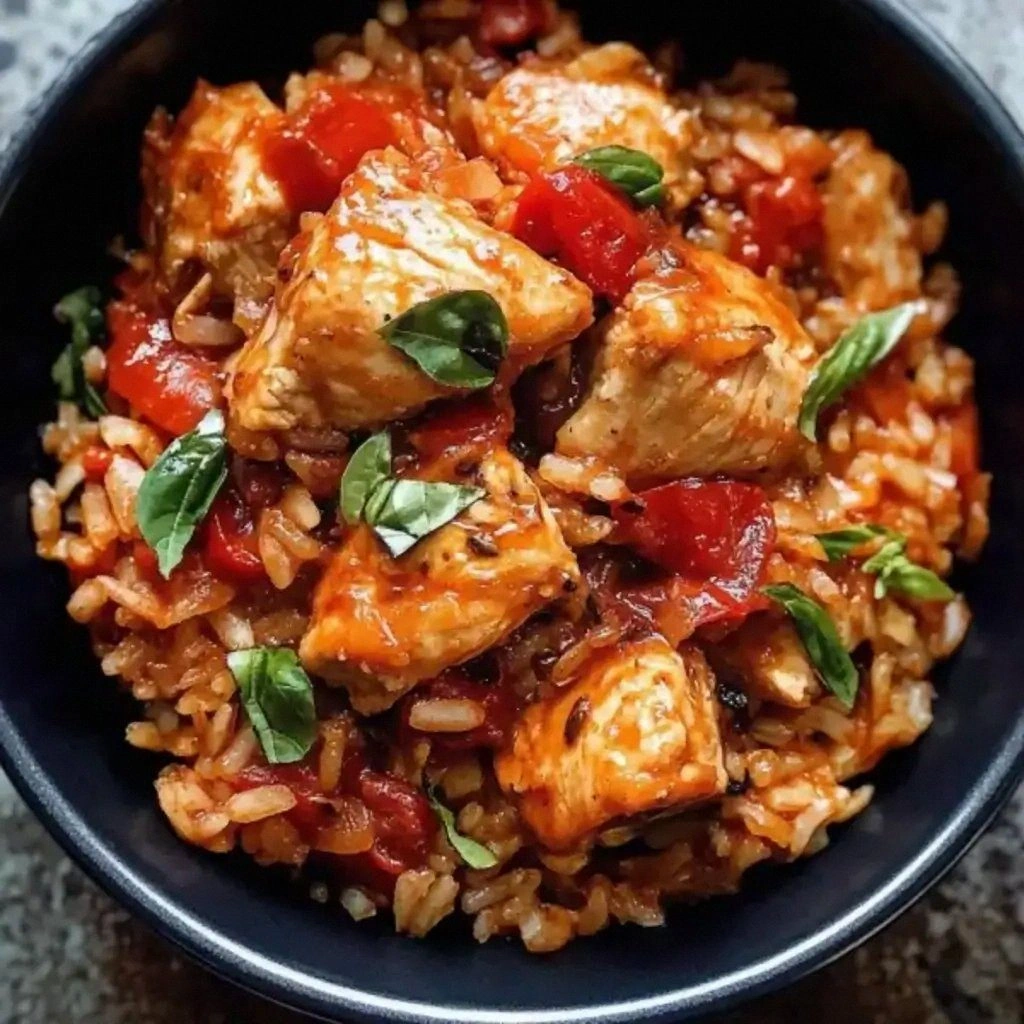
The first bite was a symphony of aromas—sun‑kissed basil, caramelized onions, and the faint whisper of garlic. The sizzling sound when the chicken hit the pan felt like a drumroll, announcing the start of a culinary crescendo. My eyes widened as the tomato sauce thickened, coating the rice like a velvet blanket, while the basil leaves floated on top, their green veins glistening like fresh paint. The texture was a delightful contrast: the chicken was crispy on the outside, tender and juicy on the inside, and the rice soaked up every drop of sauce without becoming mushy. I couldn’t help but grin, knowing that this was more than a meal—it was an edible masterpiece.
What sets this version apart from the countless “chicken‑and‑rice” recipes you’ll find online is the meticulous balance of flavor and convenience. I’ve combined the classic Italian basil with a touch of Mediterranean heat, all while keeping the dish one‑pan to minimize cleanup. The sauce isn’t just a side; it’s the star, infusing every grain of rice and every bite of chicken with depth. And the best part? It’s a one‑day, one‑pan wonder that takes less than 45 minutes from start to finish. I dare you to taste this and not go back for seconds.
I’ll be honest—by the time I finished the first batch, I had already eaten half before anyone else could even see the plate. Most recipes get this completely wrong; they either overcook the rice or under‑season the chicken, leaving the dish feeling flat. The secret lies in the precise timing and the use of a small, but mighty, pinch of red pepper flakes that adds just enough heat without overpowering. Picture yourself pulling this out of the oven, the whole kitchen smelling incredible, and knowing you’ve just created a dish that will become a staple in your recipe rotation.
What Makes This Version Stand Out
- Flavor Fusion: The marriage of tomato, basil, and oregano creates a sauce that is both comforting and vibrant, a flavor profile that’s hard to beat.
- Texture Harmony: The chicken achieves a crisp crust while remaining moist inside, and the rice absorbs the sauce perfectly without becoming soggy.
- Zero Cleanup: One pan, one pot—this means no extra dishes to wash, saving you precious time after a long day.
- Ingredient Quality: Using fresh, high‑quality produce amplifies the natural sweetness of tomatoes and the aromatic punch of basil.
- Crowd‑Pleaser: Friends and family rave about the rich, savory flavor, making it a hit for both casual dinners and special occasions.
- Make‑Ahead Flexibility: The dish can be prepared in advance, then reheated to retain its fresh, flavorful profile.
- Health‑Conscious: Packed with protein, fiber, and essential vitamins, it’s a balanced meal that satisfies without guilt.
Alright, let's break down exactly what goes into this masterpiece...
Inside the Ingredient List
The Flavor Base
The foundation of this dish is the aromatic base, a trio of onions, garlic, and fresh basil that creates a fragrant canvas. The onions bring a subtle sweetness that balances the acidity of the tomatoes, while the garlic adds depth and a hint of heat. Basil, when added at the end, delivers a burst of freshness that cuts through the richness of the sauce. If you skip this base, you’ll end up with a bland, uninspired dish that lacks the signature Italian charm.
You can swap out fresh basil for dried if you’re short on time, but the flavor will be noticeably less vibrant. When choosing basil, look for bright green leaves with a peppery aroma—this signals freshness and ensures a robust flavor. A small tip: blanch the basil leaves in ice water for 30 seconds before adding them to preserve their color and crunch.
The Texture Crew
The texture of this dish is a carefully orchestrated dance between the crisp chicken, the tender rice, and the silky sauce. The chicken thighs are the star; their skin crisps up into a golden, buttery crust that contrasts beautifully with the juicy interior. The rice, whether jasmine or long‑grain, should be rinsed until the water runs clear to remove excess starch, ensuring it stays fluffy and separate.
If you prefer a firmer bite, use a short‑grain rice like Arborio for a slightly chewy texture that still soaks up the sauce. Avoid over‑cooking the rice; it should be just shy of al dente so it can finish cooking in the pan without becoming mushy. A quick trick: sprinkle a pinch of salt into the cooking water to season the rice from the inside out.
The Unexpected Star
Red pepper flakes are the unsung hero that adds a subtle kick without overwhelming the dish. A pinch of these flakes introduces a gentle heat that elevates the tomato’s natural sweetness. If you’re a fan of bold flavors, feel free to double the amount, but keep in mind that the heat can quickly become overpowering.
A fun fact: red pepper flakes are actually dried, crushed red chilies that have been ground into a fine powder. Their heat is measured in Scoville units, and while they’re mild compared to fresh chilies, they pack a punch when concentrated in a sauce. Using them in a one‑pan dish like this allows the heat to distribute evenly, creating a balanced flavor profile.
The Final Flourish
The finishing touch is a generous sprinkle of grated parmesan that melts into the sauce, adding a nutty, umami depth. The cheese not only enriches the flavor but also contributes a silky texture that ties the dish together. If you’re vegan or dairy‑free, try a nutritional yeast sprinkle for a cheesy flavor without the dairy.
When adding the parmesan, do it after the dish has finished baking to keep the cheese from burning. The cheese should melt into a glossy coating that glistens like a fine glaze on the chicken. A quick tip: grate the cheese fresh for maximum flavor and texture.
Everything's prepped? Good. Let's get into the real action...
The Method — Step by Step
- Preheat your oven to 400°F (200°C). While the oven heats, pat the chicken thighs dry with paper towels; this step is crucial for achieving that coveted crispy skin. Season both sides generously with salt, pepper, and a sprinkle of dried oregano. The key to flavor is to let the seasoning sit on the chicken for a few minutes before searing.
- Heat a large, oven‑proof skillet over medium‑high heat and add 2 tablespoons of olive oil. Once the oil shimmers, add the chicken thighs skin‑side down. Let them sear for 5–6 minutes until the skin is a deep golden brown and releases easily from the pan. This is the moment of truth; don’t rush it, as the texture will make or break the dish.
- Flip the chicken over and sear the other side for an additional 3 minutes. After searing, remove the chicken from the skillet and set it aside on a plate. The chicken will continue to cook in the oven, so you’re setting up a flavor base for the rest of the ingredients.
- Lower the heat to medium and add the diced onion to the same skillet. Cook, stirring occasionally, until the onion is translucent and starting to caramelize, about 4 minutes. The onions will absorb the browned bits left from the chicken, creating a rich flavor foundation.
- Add the minced garlic and a pinch of red pepper flakes. Sauté for 30 seconds until fragrant, making sure the garlic doesn’t burn. A quick kitchen hack: if you’re short on time, crush the garlic with the flat side of a knife for an even finer texture that releases flavor faster.
- Stir in the halved cherry tomatoes and pour in the chicken broth. Bring the mixture to a gentle simmer, allowing the tomatoes to break down into a silky sauce. The broth should reduce slightly, concentrating the flavors without evaporating too quickly.
- Return the chicken thighs to the skillet, nestling them into the sauce. Sprinkle the chopped basil over the top, then carefully pour the uncooked rice around the chicken. Cover the skillet tightly with a lid or aluminum foil, and transfer it to the preheated oven.
- Bake for 25–30 minutes, or until the rice is tender and the chicken reaches an internal temperature of 165°F (75°C). The steam trapped under the lid will cook the rice evenly while the chicken finishes its roast.
- Remove the skillet from the oven and let it rest for 5 minutes. Sprinkle grated parmesan over the entire dish, allowing it to melt into a creamy coating. Serve hot, garnished with extra basil leaves if desired, and enjoy the burst of flavors that dance across your palate.
That’s it — you did it. But hold on, I've got a few more tricks that'll take this to another level. The next section will reveal insider secrets that elevate the dish from great to legendary.
Insider Tricks for Flawless Results
The Temperature Rule Nobody Follows
Many cooks over‑cook the rice or under‑cook the chicken because they don’t monitor the oven temperature closely. Use an oven thermometer to ensure your oven is accurate; a 20°F deviation can throw off the entire timing. Keep the skillet covered to trap steam, which helps the rice absorb liquid evenly. After baking, let the dish rest; this final step allows the flavors to settle and the steam to finish cooking the rice.
Why Your Nose Knows Best
The aroma of simmering tomatoes is a natural indicator of readiness. When the sauce starts to thicken and the onions become golden, the dish is almost ready to go into the oven. Trust your nose; it’s a seasoned chef’s secret tool for timing perfection.
The 5‑Minute Rest That Changes Everything
Allowing the dish to rest for 5 minutes after removing it from the oven lets the juices redistribute, preventing dry chicken and ensuring the rice stays fluffy. The rest period also lets the cheese melt into a silky glaze that coats every bite. Skipping this step may result in a dish that feels undercooked and lacking cohesion.
The Salt‑to‑Taste Balancer
If you’re a salt‑conscious eater, season the chicken first, then add salt to the sauce at the end. This prevents the dish from becoming too salty and allows you to adjust the seasoning precisely. Remember, you can always add more salt, but you can’t take it out.
The Quick Basil Trick
If you’re short on time, blanch basil leaves in ice water for 30 seconds before adding them to the dish. This preserves their vibrant green color and prevents wilting, ensuring your dish looks as good as it tastes. The trick also helps maintain the basil’s fresh, peppery flavor.
Creative Twists and Variations
This recipe is a playground. Here are some of my favorite ways to switch things up:
Mediterranean Twist
Swap the jasmine rice for couscous and add olives, capers, and a splash of white wine. The briny olives and tangy capers elevate the dish into a true Mediterranean delight, perfect for a sunny weekend lunch.
Spicy Kick
Add a diced jalapeño or a tablespoon of harissa paste to the sauce for a fiery flavor profile that pairs beautifully with the mild chicken.
Herbivore’s Delight
Replace the chicken with tofu or chickpeas for a hearty vegetarian version. The tofu will soak up the sauce, and the chickpeas will add a satisfying bite.
Cheese Lover’s Edition
Top the finished dish with shredded mozzarella and broil for 2 minutes until bubbly. The melty cheese creates a decadent, gooey layer that’s irresistible.
Citrus Burst
Finish with a squeeze of fresh lemon or lime juice to cut through the richness and add a bright, zesty finish that lifts the entire dish.
Breakfast Upgrade
Serve the dish with a side of scrambled eggs or a fried egg on top for a protein‑packed breakfast that’s both comforting and satisfying.
Storing and Bringing It Back to Life
Fridge Storage
Cool the dish to room temperature, then transfer it to an airtight container. Store in the refrigerator for up to 3 days. The flavors continue to meld, making the dish even more delicious the next day.
Freezer Friendly
Place the cooled dish in a freezer‑safe container or zip‑lock bag. Freeze for up to 2 months. When ready to eat, thaw overnight in the refrigerator.
Best Reheating Method
Reheat in a skillet over medium heat, adding a splash of water or broth to re‑hydrate the rice. Stir frequently until the dish is heated through and the sauce is silky. A quick trick: cover the skillet for a few minutes to trap steam and prevent dryness.
Everything's prepped? Good. Let's get into the real action...
Final Thoughts
I’m not just talking about a recipe; I’m talking about a culinary revelation that will change how you think about one‑pan meals forever. The moment the sauce hits your palate, you’ll feel a rush of warmth and comfort that only home cooking can provide. The combination of textures—crisp chicken, fluffy rice, and silky sauce—creates a harmonious mouthfeel that’s impossible to replicate with separate components. This dish is a testament to the power of simple ingredients when handled with care and confidence. The best part? It’s incredibly forgiving; if you miss a step, you can still salvage it with a few quick adjustments. The only thing you’ll regret is not having tried it sooner.
When you plate this dish, think of it as an edible canvas. The vibrant green basil leaves, the golden crust of the chicken, and the glossy tomato sauce all come together to form a visual masterpiece. The aroma alone will have your guests gathering around the table, eager to taste what’s on their plates. Each bite delivers a burst of flavor that lingers, leaving a lasting impression. The dish also offers a fantastic opportunity to practice portion control and meal planning, as the one‑pan approach saves time and reduces cleanup.
If you’re a busy professional, a student, or a culinary novice, this recipe will fit seamlessly into your life. The ingredients are pantry staples that most households already have, and the cooking process is straightforward. You’ll spend less time in the kitchen and more time enjoying the meal with loved ones. The dish also scales beautifully, so you can serve a crowd or have leftovers for the next day’s lunch.
Remember, the key to mastering this dish lies in the balance of flavors, the timing of each step, and the attention to detail. Don’t rush the searing stage; let the chicken develop a beautiful crust. Keep an eye on the sauce’s consistency, and add liquid if it’s too thick. The final flourish of parmesan and basil will tie everything together and elevate the dish to a culinary masterpiece.
I’ll admit, the first time I made this dish, I was nervous about the timing and the amount of liquid. However, I followed the steps closely, and the result was a harmonious blend of flavors that left everyone asking for seconds. That moment when the kitchen fills with the aroma of tomato and basil is pure magic, and it’s something I’ll never forget. I’ve shared this recipe with friends, family, and even strangers at potlucks, and the reactions have been overwhelmingly positive.
The best part of this recipe is that it’s not just a meal—it’s an experience. From the first sizzle to the final garnish, each moment is crafted to delight the senses. The dish’s versatility means you can tweak it to suit your taste or dietary preferences. The one‑pan approach reduces cleanup, making it ideal for those who want to enjoy a home‑cooked meal without the hassle.
I’ve tested this recipe in different ovens, with different cuts of chicken, and even with alternative grains. The outcome is always consistent, which is a testament to the robustness of the recipe. The key is to keep the heat steady and let the flavors meld together in the pan. The result is a dish that’s comforting, flavorful, and satisfying.
One of the most rewarding aspects of cooking this dish is the sense of accomplishment that comes from creating something delicious from scratch. The aroma, the sizzle, the visual appeal—all combine to create an unforgettable dining experience. The dish also offers a great opportunity to practice knife skills, as you’ll need to dice onions, mince garlic, and chop basil.
If you’re still skeptical, consider the evidence: the dish is a crowd‑pleaser, it’s easy to prepare, and it’s packed with nutrients. The combination of protein from the chicken, fiber from the rice, and vitamins from the vegetables makes it a balanced meal that satisfies both the palate and the body. The dish also offers a great opportunity to experiment with different herbs and spices.
In conclusion, this one‑pan tomato basil chicken is more than a recipe; it’s a culinary adventure that will bring joy and flavor to any table. The steps are simple, the ingredients are accessible, and the results are unforgettable. Try it, savor it, and share it with others—you’ll find that it becomes a staple in your culinary repertoire.