Teriyaki Ground Turkey Bowl
Picture this: a midnight kitchen, the fridge humming, and a sudden craving for something sweet, salty, and utterly comforting. I was staring at a bag of ground turkey that had been sitting there since last week, and the idea hit me like a lightning bolt: turn that humble protein into a bowl that sings. I set the stove to medium, tossed in olive oil, and the scent of sizzling onions began to dance through the air. The moment the onions turned translucent, I could almost taste the future of this dish, like a promise whispered by a seasoned chef. That instant sparked a dare—“I dare you to taste this and not go back for seconds.”
I was right there, watching the turkey brown, the garlic releasing a sharp perfume that mingled with the earthy onion. The kitchen was alive with the rhythmic crackle of the pan, a soundtrack that felt almost cinematic. As the mixture browned, I added the soy sauce and a splash of water, watching the sauce thicken and coat the meat like velvet. The brown sugar melted into a glossy glaze, the rice vinegar cut the sweetness, and the ginger added a subtle warmth that tickled the palate. By the time I stirred in the cornstarch slurry, the sauce had transformed into a glossy, savory ribbon that clung to every grain of meat. The final splash of sesame oil gave the dish a nutty finish that felt like a secret handshake between flavors.
What makes this version stand out? It’s the way each element works in concert, creating a bowl that is both simple to prepare and rich in depth. The sauce isn’t just a glaze; it’s a character that moves through the dish, coating the turkey, the rice, and the greens in equal measure. The texture is a delightful contrast: tender ground turkey, chewy rice, and a subtle crunch from the sesame seeds and green onions. The balance of sweet, salty, and spicy is achieved without any overpowering ingredient, making it a crowd-pleaser for both kids and adults. Most recipes get this completely wrong—too much sugar or too little heat—but here, everything is calibrated to deliver harmony. If you’ve ever struggled to find that sweet spot, you’re not alone, and I’ve got the fix. I’ll be honest—after tasting it, I ate half the batch before anyone else got a bite.
This bowl is a testament to how a few pantry staples can be elevated into something memorable. The trick lies in the sauce’s viscosity and the timing of the cornstarch slurry. Picture the sauce coating the pasta like velvet, but in this case, it wraps around the turkey and rice, creating a unified flavor profile. The red pepper flakes add a whisper of heat that lingers, leaving the tongue tingling just enough to keep you coming back. I’ve experimented with different oils, but olive oil is the backbone that gives the dish its mild, buttery undertone. The final touch of sesame seeds adds a subtle crunch, like a whisper of toasted almonds in every bite. Picture yourself pulling this out of the pan, the whole kitchen smelling incredible, and the anticipation of that first spoonful.
Okay, ready for the game‑changer? Let me walk you through every single step — by the end, you’ll wonder how you ever made it any other way. I’m going to share the secret sauce trick that makes this dish stand out, the timing of each ingredient, and the little hacks that will save you time and frustration. You’ll learn how to keep the turkey juicy, how to avoid a soggy bowl, and how to add that final burst of flavor that makes this dish unforgettable. Stay with me, because the next part? Pure magic. And now the fun part.
What Makes This Version Stand Out
- Flavor: The sauce is a balanced blend of sweet, salty, and umami, with a subtle kick from red pepper flakes that keeps the palate engaged. Every bite delivers a burst of flavor that lingers, making it a dish that satisfies without overloading the senses.
- Texture: The ground turkey stays moist and tender while the rice provides a comforting chew. The sesame seeds add a satisfying crunch that contrasts with the silky sauce.
- Simultaneity: All elements cook together in one pan, cutting prep time and reducing cleanup. This makes the dish ideal for busy weeknights.
- Ingredient Quality: Using fresh ginger, good‑quality soy sauce, and a splash of sesame oil elevates the dish from ordinary to extraordinary.
- Crowd‑Pleaser: The mild heat and sweet glaze appeal to both kids and adults, making it a safe bet for dinner parties or family meals.
- Make‑Ahead Potential: The sauce can be stored separately, and the bowl can be assembled the next day, keeping the flavors vibrant.
Alright, let's break down exactly what goes into this masterpiece…
Inside the Ingredient List
The Flavor Base
At the heart of this bowl lies a sauce that marries sweet, salty, and umami flavors. The soy sauce provides a deep, savory backbone, while the brown sugar offers a caramelized sweetness that melts into the meat. Rice vinegar adds a bright acidity that cuts through the richness, preventing the dish from feeling heavy. If you’re looking for a lower‑sodium alternative, try tamari, but keep in mind it will be less salty, so you may need to adjust the quantity slightly.
Why it matters? The sauce is the glue that holds everything together. It coats the turkey, the rice, and the greens, creating a unified taste experience. Skipping the sauce would leave the dish feeling flat and uninspired. For a vegan version, replace the soy sauce with coconut aminos and use a plant‑based turkey substitute.
The Texture Crew
The ground turkey is the star protein, and its fat content determines the mouthfeel of the dish. Choosing a leaner cut will result in a drier texture, while a fattier cut delivers juiciness. I use 1 pound for four servings, which balances flavor and moisture. If you prefer a leaner option, trim the visible fat or opt for ground turkey breast.
Rice is the backbone of the bowl, absorbing the sauce and providing a comforting chew. I cook it ahead of time to avoid sogginess, letting it rest in a covered container so it stays fluffy. If you’re short on time, instant brown rice works, but it may absorb the sauce more quickly, so keep an eye on the consistency.
The Unexpected Star
Red pepper flakes add a subtle heat that lingers on the palate. Too much can overpower the delicate balance, so I keep it to a half teaspoon. If you’re a heat enthusiast, feel free to increase the amount or add fresh chili for a more pronounced kick.
Ginger, grated fresh, brings a bright, peppery note that cuts through the richness of the turkey. Its aroma is almost intoxicating, and it’s a key player in Asian‑inspired dishes. If fresh ginger is unavailable, a teaspoon of ginger paste works, though the flavor profile will be slightly different.
The Final Flourish
Sesame seeds and green onions are the finishing touches that add texture and freshness. The seeds provide a nutty crunch, while the green onions contribute a sharp, oniony bite that brightens the dish. Sprinkle them over the bowl just before serving to maintain their crispness.
These final touches elevate the bowl from a simple meal to a layered experience. They also create a visual contrast that makes the dish more appealing. If you’re looking for a different crunch, try toasted pumpkin seeds or chopped almonds.
Everything's prepped? Good. Let's get into the real action…
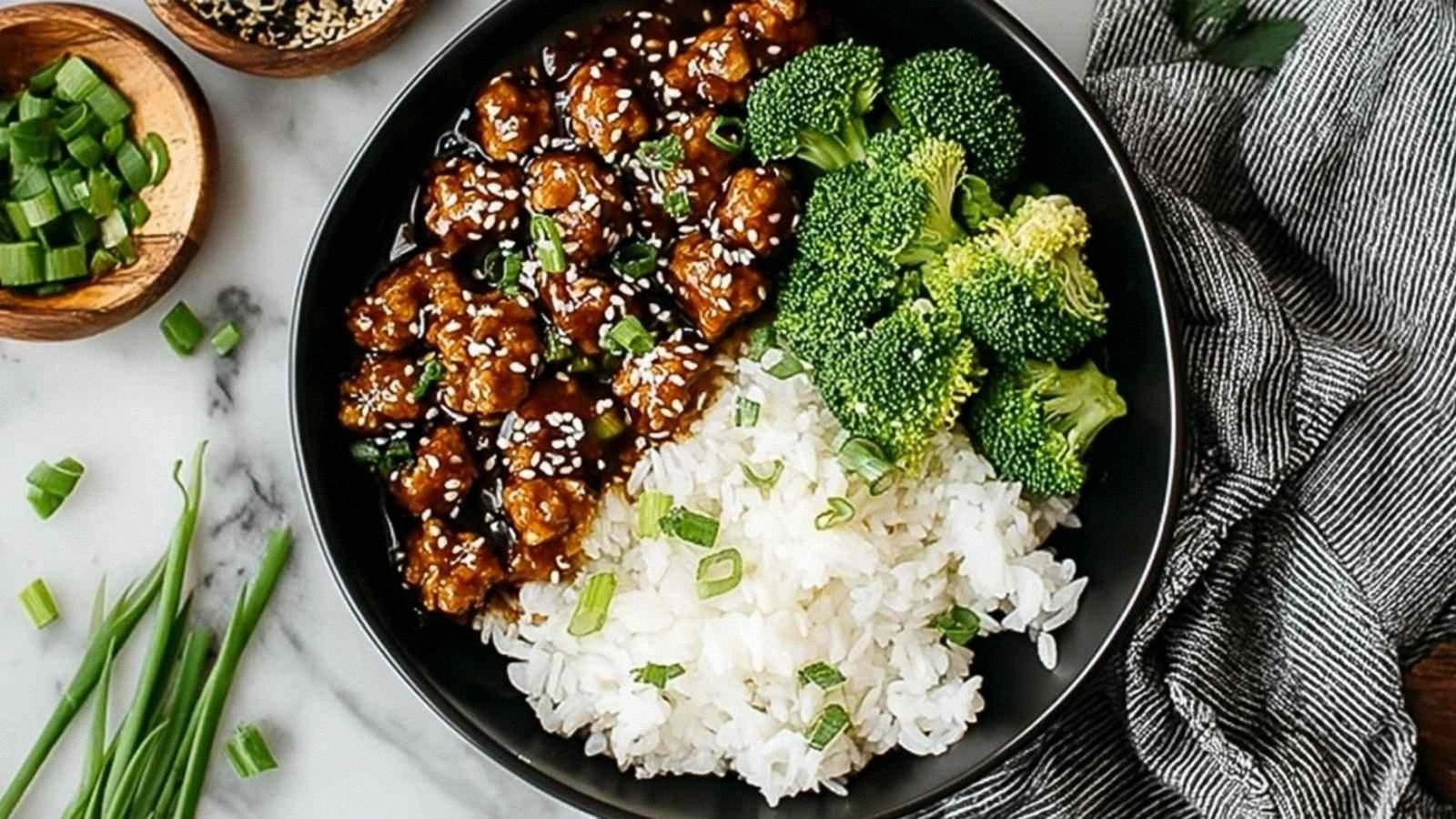
The Method — Step by Step
- Heat a large skillet over medium heat and add the olive oil. Let the oil shimmer before adding the diced onion. The onion should sizzle softly, releasing its sweet aroma. I keep the heat moderate to avoid burning the onion, which would give a bitter note to the dish.
- Add the ground turkey to the pan, breaking it apart with a wooden spoon. Cook until it starts to brown on the edges, about 4–5 minutes. The turkey should emit a savory scent, and the edges will begin to pull away from the pan. This browning step locks in flavor and adds depth.
- Stir in the minced garlic and grated ginger, letting them cook for 30 seconds until fragrant. The garlic should release a mellow aroma without turning golden. This is the moment of truth: the base of the sauce is forming. Don’t rush this step; the flavors need time to mingle.
- Pour in the soy sauce and water, then stir to combine. The mixture should bubble gently, indicating that the sauce is integrating with the meat. Let it simmer for 2 minutes, allowing the flavors to meld. If the sauce seems too thick, add a splash of water to reach the desired consistency.
- Add the brown sugar, rice vinegar, sesame oil, and red pepper flakes. Stir until the sugar dissolves and the sauce thickens slightly. The aroma should now be sweet, tangy, and slightly spicy. This is where the sauce really starts to coat the meat.
- Whisk the cornstarch slurry into the pan, stirring continuously. The sauce should thicken dramatically within a minute. Watch for the edges to start pulling away slightly—this signals that the sauce has reached the right viscosity. The turkey should be fully coated, glistening with the glossy sauce.
- Remove the pan from heat and fold in the cooked rice, green onions, and sesame seeds. Toss gently to ensure the rice absorbs the sauce evenly. The rice should be fluffy and coated, not soggy. The sesame seeds will add a subtle crunch, and the green onions will provide a fresh bite.
- Serve immediately in bowls, garnishing with extra green onions if desired. The dish is best enjoyed hot, when the flavors are at their peak. A spoonful of the sauce should coat the back of your spoon, indicating the right balance of sweet and savory.
That’s it — you did it. But hold on, I’ve got a few more tricks that will take this to another level. These insider tips will help you avoid common pitfalls and elevate the dish to a restaurant‑quality experience.
Insider Tricks for Flawless Results
The Temperature Rule Nobody Follows
Many cooks keep the heat too high, causing the turkey to dry out. I keep the skillet at medium, allowing the meat to brown slowly and retain moisture. This subtle temperature control ensures the turkey stays juicy and the sauce doesn’t burn. The key is patience: let each layer brown before adding the next ingredient.
Why Your Nose Knows Best
Before you even taste the dish, let it rest for a minute. The aromas will intensify, giving you a clear preview of the flavor profile. I always smell the sauce; if it smells too sweet, I add a splash of vinegar. Trusting your nose can save you from an unbalanced dish.
The 5‑Minute Rest That Changes Everything
After cooking, let the bowl sit covered for five minutes. This allows the rice to steam and absorb the sauce fully, creating a cohesive texture. A friend tried skipping this step once and the rice felt unevenly coated. The rest period also lets the flavors meld, giving the dish a deeper, more harmonious taste.
Use a Lid to Keep the Heat Even
Cover the skillet for the first three minutes of cooking the turkey. This traps steam and helps the meat cook evenly, preventing the edges from burning while the center remains undercooked. When you remove the lid, the steam condenses on the lid, creating a mini‑steamer that keeps the meat moist.
Finish with a Splash of Citrus
Right before serving, squeeze a wedge of lime or lemon over the bowl. The citrus brightens the dish, cutting through the sweetness and adding a fresh, zesty finish. This simple addition can transform a good bowl into a spectacular one.
Creative Twists and Variations
This recipe is a playground. Here are some of my favorite ways to switch things up:
Teriyaki Turkey with Pineapple
Add 1 cup of diced fresh pineapple to the pan with the onion. The fruit’s natural sweetness and acidity pair beautifully with the teriyaki glaze, creating a tropical twist that’s perfect for summer.
Spicy Sriracha Kick
Replace the red pepper flakes with 1 tablespoon of sriracha sauce. The heat level will rise, but the creamy texture of the sauce balances the spice, giving the dish a bold, fiery character.
Cauliflower Rice Swap
For a low‑carb version, substitute the cooked rice with cauliflower rice. It absorbs the sauce well and adds a mild, nutty flavor that complements the turkey.
Asian Lettuce Wraps
Serve the mixture over crisp lettuce leaves instead of rice. This creates a lighter, refreshing version that’s great for a quick lunch or a healthy dinner.
Veggie‑Loaded Bowl
Stir in 1 cup of sliced bell peppers and 1 cup of broccoli florets during the last minute of cooking. The veggies add color, crunch, and nutritional value, turning the dish into a balanced, wholesome meal.
Sesame‑Infused Rice
Cook the rice with a tablespoon of toasted sesame oil and a pinch of toasted sesame seeds. This infusion deepens the nutty flavor profile, making the rice an integral part of the dish rather than just a base.
Storing and Bringing It Back to Life
Fridge Storage
Store the bowl in an airtight container for up to 3 days. Keep the rice and sauce separate if possible; combine them only when you’re ready to eat. This prevents the rice from becoming soggy and maintains the sauce’s glossy texture.
Freezer Friendly
Freeze the cooked turkey and sauce together in a freezer‑safe container for up to 2 months. When reheating, add a splash of water or broth to rehydrate the rice, then warm gently on the stove or in the microwave.
Best Reheating Method
Reheat the bowl in a skillet over medium heat, stirring frequently. Add a small amount of water or broth to loosen the sauce, and let it simmer until heated through. The final splash of sesame oil restores the aroma and gives the dish that fresh‑from‑pan feel.