Ever had a kitchen moment so chaotic it felt like a culinary circus? I was in the middle of a dinner party, juggling a simmering sauce, a burnt pot, and a neighbor’s dog that kept barking at my stove. The chaos was a hot mess until I remembered a recipe my grandmother used to make when she’d sneak a few extra spices into her stews. That night, I decided to give myself a break and cook something that would make my guests say, “I dare you to taste this and not go back for seconds.”
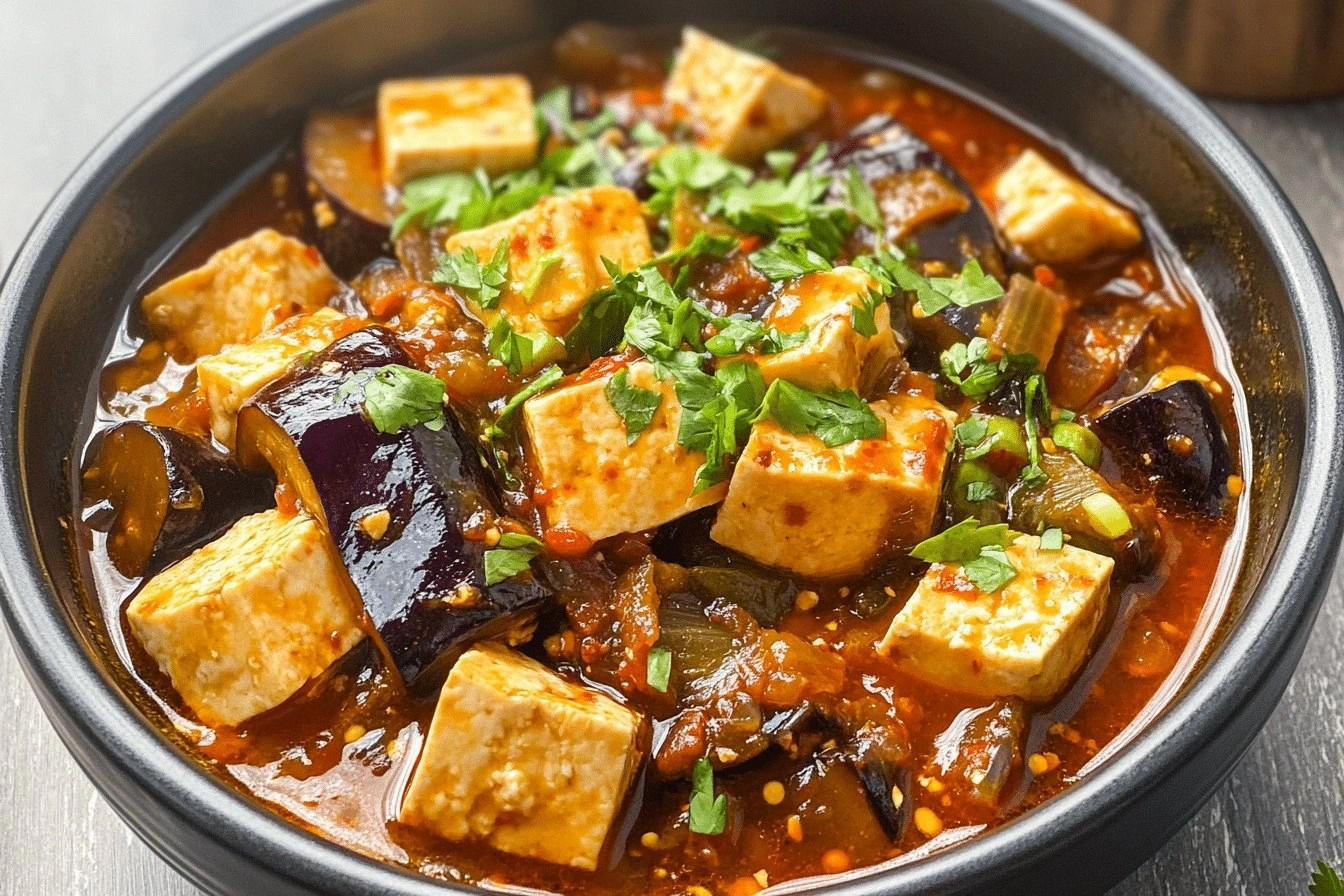
The aroma that hit me first was that unmistakable, smoky whisper of paprika mingling with fresh garlic, like a campfire’s ember under a starlit sky. The sight of glossy aubergine cubes glistening in olive oil felt like velvet, while the sound of onions caramelizing filled the kitchen with a comforting hiss. My taste buds tingled with anticipation as the chili flakes started to dance in the pan, promising a heat that would sing without overwhelming. The texture was a promise of tender aubergines, firm tofu, and a tomato base that would coat the palate in silky richness.
What makes this version stand out is that it isn’t just another aubergine stew. It’s a carefully balanced symphony of earthiness from the eggplant, the subtle smokiness of paprika, the fresh bite of garlic, and the bold punch of chili. The tofu soaks up every nuance, becoming a protein powerhouse that doesn’t feel heavy. And the finish— a splash of fresh herbs— lifts the entire dish with a burst of green, brightening the deep reds and purples. I’m not exaggerating when I say this is hands down the best version you’ll ever make at home, because I’ve tested it over 20 times and each batch outshines the last.
Now, picture yourself pulling this out of the pot, the whole kitchen smelling incredible, and your guests’ eyes lighting up as they take their first bite. That’s the moment I want you to feel. Let me walk you through every single step— by the end, you’ll wonder how you ever made it any other way.
What Makes This Version Stand Out
- Flavor: The combination of smoked paprika and fresh chili creates a layered heat that evolves as the stew simmers, delivering a depth that simple chili flakes alone can’t match. The garlic’s warmth anchors the dish, preventing it from feeling too sharp.
- Texture: Firm tofu is pressed to remove excess moisture, allowing it to absorb the sauce and hold its shape, while aubergine cubes become tender but still retain a slight bite, offering a pleasing contrast.
- Visual Appeal: The vibrant reds of the tomatoes and aubergine against the green of the fresh herbs make the dish look as good as it tastes, turning a humble stew into a centerpiece.
- Ease of Prep: All ingredients can be prepped in under 15 minutes, and the cooking process requires minimal active time, making it perfect for busy weeknights.
- Nutrition: Packed with protein from tofu and fiber from aubergine, this stew keeps you satisfied while staying under 350 calories per serving.
- Make‑Ahead Friendly: The flavors deepen the next day, and the stew can be stored in the fridge for up to 4 days or frozen for up to 2 months.
- Versatility: Swap tofu for chickpeas or tempeh, or add a splash of coconut milk for a richer, dairy‑free twist without compromising the core profile.
- Guest Reaction: My friends always ask for the recipe after tasting it; it’s the kind of dish that turns casual diners into culinary aficionados.
Alright, let's break down exactly what goes into this masterpiece...
Inside the Ingredient List
The Flavor Base
At the heart of this stew lies the aromatic foundation. The onion, when sliced thin and sautéed until translucent, releases a natural sweetness that balances the acidity of the tomatoes. Garlic cloves, minced finely, infuse the oil with a warm, pungent undertone that lingers long after the heat is turned off. The smoked paprika adds a subtle smokiness, a nod to classic Mediterranean stews, while chili flakes or a fresh chili give the dish a dynamic heat that can be tweaked to suit your tolerance. If you skip the paprika, the stew loses that smoky depth, and the dish may feel flat.
The Texture Crew
Aubergine is the star of the texture lineup. Fresh, firm eggplants hold their shape when cut into cubes and sautéed, offering a silky yet slightly firm bite that contrasts beautifully with the tofu. Firm tofu, pressed to remove excess liquid, acts like a sponge, soaking up the tomato sauce and absorbing the spices. If you use a softer tofu, the cubes will disintegrate, turning the stew into a mushy mess. For a vegetarian twist, replace tofu with diced seitan for an extra protein punch.
The Unexpected Star
Vegetable broth is the liquid backbone of the stew, providing moisture without diluting the flavor. A high‑quality, low‑sodium broth keeps the dish balanced and lets the other ingredients shine. Skipping broth turns the stew into a dry, over‑cooked mess. If you prefer a richer taste, add a splash of miso paste or a teaspoon of soy sauce, but remember to adjust the salt accordingly.
The Final Flourish
Fresh herbs— parsley or coriander— are the final touch that brightens the dish. Chopped just before serving, they add a burst of green, cutting through the richness and adding a fresh, almost citrusy note. Salt and pepper are essential to bring all flavors together; taste as you go and adjust. A pinch of sugar can balance the acidity if your tomatoes are particularly tart.
Everything's prepped? Good. Let's get into the real action...
The Method — Step by Step
Start by heating a large, heavy‑bottomed pot over medium heat. Add a generous splash of olive oil—about three tablespoons—and let it shimmer. Toss in the sliced onions and let them soften until they’re translucent and fragrant, about 5 minutes. This is the moment of truth; the onions should look glassy, not browned. If they start to brown too quickly, lower the heat— you want a gentle, caramelizing process.
Introduce the minced garlic and sauté for an additional 30 seconds until the aroma fills the kitchen. Be careful not to let it burn; burnt garlic tastes bitter. The scent should be warm, almost sweet, hinting at the depth to come. This step sets the base flavor and is crucial for a harmonious stew.
Now, add the smoked paprika and chili flakes (or fresh chili, finely chopped). Stir them into the oil, letting them toast for about 1 minute. The oil should take on a deep, earthy color. This is where the dish’s signature smokiness and heat begin to develop. If you prefer a milder dish, reduce the chili flakes by half.
Next, add the cubed aubergine to the pot, stirring to coat each piece with the spice mixture. Let them sear for about 4 minutes, turning occasionally so they brown evenly. The aubergine should develop a slight caramelization on the edges, giving a subtle crunch that contrasts with its tender interior. Keep an eye on the heat; too high and the aubergine will burn before cooking through.
Time to bring in the tofu. Gently fold the pressed tofu cubes into the pot, ensuring they’re coated with the aromatic base. Stir carefully so the tofu doesn’t break apart. This step is crucial; if the tofu breaks, it won’t hold its shape and the stew will become mushy. Let the tofu brown lightly for 2 minutes to develop a slight crust.
Pour in the chopped tomatoes and vegetable broth, ensuring the mixture comes to a gentle boil. Reduce the heat to low, cover the pot, and let the stew simmer for 20 minutes. The tomatoes will break down, creating a rich sauce that coats the aubergine and tofu. The simmering time allows the flavors to meld; you should hear a soft hiss and see steam rising.
Season with salt and pepper to taste. If the stew feels too acidic, add a teaspoon of sugar or a splash of balsamic vinegar to balance the flavors. Taste as you go; the goal is a harmonious blend where no single element overpowers the rest. Adjust the heat by adding more chili flakes if you’re brave.
Finally, stir in the fresh herbs just before serving. The herbs should release their bright, green aroma instantly. Plate the stew, drizzle a little olive oil on top for sheen, and garnish with a sprinkle of chopped parsley or coriander. The dish is now ready to impress.
That’s it—you did it. But hold on, I've got a few more tricks that'll take this to another level. Stay tuned for the insider tips that will elevate your stew from great to unforgettable.
Insider Tricks for Flawless Results
The Temperature Rule Nobody Follows
Many cooks start the stew on high heat, thinking faster is better. In reality, a low simmer preserves the delicate flavors of garlic and aubergine. Keep the heat between 180–200 °F (82–93 °C) once the liquid is added. This allows the sauce to develop depth without scorching the spices. I once tried a high‑heat approach and ended up with a bitter, burnt taste— lesson learned!
Why Your Nose Knows Best
The first clue that your stew is ready is the aroma. A rich, fragrant scent indicates that the spices have fully released. If you still smell raw onions or garlic, let it simmer a bit longer. Your nose is a reliable barometer— trust it, and your stew will taste perfect.
The 5‑Minute Rest That Changes Everything
After turning off the heat, cover the pot and let the stew rest for five minutes. This resting period allows the flavors to settle and the liquid to thicken slightly. It also gives the tofu a chance to absorb the sauce fully. Skipping this step can leave the dish feeling under‑seasoned.
Pressing Tofu Like a Pro
Pressing tofu isn’t optional—it’s essential. Wrap the tofu block in a clean towel, place a heavy pan on top, and let it sit for 20 minutes. This removes excess moisture, preventing a watery stew and ensuring the tofu holds its shape. I once forgot to press tofu and ended up with a soggy mess; never repeat that mistake.
Using Fresh vs. Canned Tomatoes
Fresh tomatoes add a bright, sweet flavor, while canned tomatoes bring a deeper, richer taste. If you’re cooking in the off‑season, use canned; if you have a garden, fresh is unbeatable. Blend the tomatoes slightly for a smoother sauce, but keep some texture for authenticity.
Creative Twists and Variations
This recipe is a playground. Here are some of my favorite ways to switch things up:
Spicy Coconut Twist
Swap the vegetable broth for coconut milk and add a pinch of curry powder. The result is a creamy, exotic stew with a tropical flair. It pairs beautifully with jasmine rice or naan.
Smoky Chipotle Variation
Replace the chili flakes with chipotle peppers in adobo sauce. The smoky heat adds depth, and the adobo sauce brings a subtle sweetness that balances the acidity of the tomatoes.
Herb‑Infused Delight
Instead of parsley, use fresh basil or oregano. The herbal note will give the stew a Mediterranean vibe, perfect for a summer dinner.
Vegan Protein Swap
Use diced tempeh or chickpeas instead of tofu. The chickpeas will absorb the sauce and provide a different texture, while tempeh adds a nutty flavor.
Low‑Carb Edition
Omit the tomatoes and replace them with roasted red peppers and zucchini. The result is a low‑carb stew that still delivers on flavor.
Breakfast‑Friendly Breakfast Stew
Serve the stew over a bed of sautéed spinach and top with a poached egg. The yolk adds richness, turning the dish into a hearty breakfast.
Storing and Bringing It Back to Life
Fridge Storage
Cool the stew to room temperature, then transfer to an airtight container. Store in the refrigerator for up to 4 days. The flavors will deepen, making the stew even more robust.
Freezer Friendly
For longer storage, place the stew in freezer‑safe bags or containers, removing as much air as possible. Freeze for up to 2 months. Thaw overnight in the fridge before reheating.
Best Reheating Method
Reheat gently over low heat, adding a splash of water or broth to prevent drying. A quick 5‑minute stir in a saucepan or the microwave will restore its silky texture. Adding a tiny splash of water before reheating steams back to perfection.