INTRODUCTION
Picture this: I’m standing in my cramped apartment kitchen, the fridge door squeaking like a nervous cat, when a frantic friend texts, “I need a dinner that feels like a vacation, fast.” I stared at the pantry, stared at the clock, and decided that the answer was a single ingredient that could transport us to the bustling streets of Hanoi without leaving the stove—lemongrass. The scent that hit me was sharp, citrusy, almost medicinal, and it made my mouth water before the first bite even existed. I’m talking about the kind of aroma that makes you forget you’re eating meat and feel like you’re sipping a fresh breeze on a tropical beach.
My kitchen, normally a chaotic arena of pots and pans, suddenly became a stage for culinary theater. The sizzling of the pan, the rhythmic chopping of onions, the gentle crackle of garlic—all orchestrated to create a symphony of flavors that would make any food critic swoon. I dared myself to go beyond the usual “pork bowl” and elevate it with a secret technique that most recipes overlook: the caramelized lemongrass infusion that gives the dish a depth of flavor that feels both bright and comforting. If you’ve ever found yourself staring at a bowl of rice and wondering how to make it exciting, this is your ticket.
What sets this version apart from the endless variations you find online is its unapologetic simplicity combined with a bold, unmistakable punch of heat and sweetness. I’ve stripped away the extra sauces that often muddy the profile, focusing instead on the pure, clean taste of fresh pork and lemongrass. The result? A bowl that sings with citrusy brightness, a hint of caramelized sugar, and a fiery kick that lingers just long enough to keep you coming back for more. I dare you to taste this and not go back for seconds.
Stay with me, and I’ll walk you through every single step—by the end, you’ll wonder how you ever made it any other way. I’ll share the micro-challenge that will test your palate, the kitchen hack that saves time, and the tiny secrets that transform this dish from good to unforgettable. Let’s dive in.
What Makes This Version Stand Out
- Flavor: The lemongrass is not just a garnish; it’s the backbone of the dish, providing a citrusy, almost pine-like brightness that cuts through the richness of pork. This creates a balanced flavor profile that feels both exotic and comforting.
- Texture: The pork mince is cooked to a tender, slightly caramelized finish, while the onions add a subtle crunch that gives each bite a satisfying bite. The final touch of fresh coriander adds a peppery snap.
- Simplicity: With only eight core ingredients, you can whip up this bowl in under 30 minutes. No need for exotic pantry staples or complicated prep work.
- Uniqueness: The combination of brown sugar and sweet dark soy sauce creates a caramelized glaze that is rarely seen in traditional Vietnamese pork bowls, giving this version a signature twist.
- Audience: Whether you’re a seasoned foodie or a kitchen newbie, this dish is guaranteed to impress. It’s a crowd-pleaser that works for dinner parties, lazy weeknights, or a comforting solo meal.
- Ingredient Quality: Using fresh, high-quality pork mince and freshly cut lemongrass ensures that the flavors shine. The quality of the fish sauce and dark soy sauce also makes a noticeable difference.
- Cooking Method: The quick sear and caramelization technique lock in juices and develop depth, making the dish feel luxurious without a long cooking time.
- Make-Ahead Potential: The sauce can be pre-made and stored for a couple of days, allowing you to assemble the bowl in minutes whenever hunger strikes.
Alright, let’s break down exactly what goes into this masterpiece…
Inside the Ingredient List
The Flavor Base
At the heart of this dish lies the pork mince, a protein that absorbs the surrounding flavors like a sponge. Using 500 g of lean pork ensures a juicy bite without excess fat. If you prefer a leaner option, swap the pork for ground turkey, but be aware the flavor will shift slightly toward poultry.
Vegetable oil is the silent hero that prevents sticking and allows the pork to brown beautifully. A tablespoon of high-heat oil like canola or grapeseed works well, but you can also use sesame oil for a nuttier undertone.
Onions provide a subtle sweetness when caramelized. A small onion is sufficient; if you’re a fan of extra crunch, leave a few thin strips on top at the end.
The Texture Crew
Large mild chillies bring a gentle heat that balances the sweet elements. They’re sliced thin to release their flavor without overwhelming the palate. If you’re sensitive to spice, use only one chilli or reduce the amount.
Birds eye chillies are the real heat warriors in this recipe. A single pepper adds a fiery punch that lingers, making the dish memorable. Be careful—if you’re a heat novice, remove the seeds before adding.
Corn flour, just a teaspoon, acts as a thickening agent. It gives the sauce a silky coat that clings to the pork and rice. If you’re gluten-free, substitute with arrowroot powder for the same effect.
The Unexpected Star
Lemongrass is the star that elevates this bowl from ordinary to extraordinary. Its citrusy, almost pine-like flavor is unmistakable and instantly recognizable. The trick? Use the white part of the stalk; the green part is bitter and not recommended for this dish.
Brown sugar, in two tablespoons, caramelizes during cooking to create a subtle glaze. This sweet component balances the fish sauce’s saltiness and the chilli’s heat. If you’re watching carbs, you can reduce the sugar by a quarter.
The Final Flourish
Fish sauce provides umami depth, and two tablespoons are enough to punch the dish without overpowering. It’s best to use a high-quality, dark fish sauce for richer flavor.
Sweet dark soy sauce adds depth and a hint of sweetness. It’s a clever substitution for regular soy sauce, giving the dish a richer color and flavor. If you’re avoiding soy, use a low-sodium alternative.
Ground pepper, a quarter teaspoon, is the finishing touch that brings a subtle warmth. It’s often overlooked but makes a difference in the overall taste profile.
Roughly chopped coriander, two tablespoons, adds freshness and a peppery bite that cuts through the richness of the pork. It also provides a burst of color, turning the dish into a visual feast.
Steamed rice is the canvas for this masterpiece. Use jasmine rice for its fragrance, or stick with plain white rice if you prefer a neutral base.
Everything’s prepped? Good. Let’s get into the real action…
The Method — Step by Step
- Prep the Lemongrass: Slice the white part of the stalk into thin matchsticks. If you’re in a hurry, blanch them in boiling water for 30 seconds and then cool in ice water. The quick shock stops the cooking process and locks in aroma. This is the moment the dish starts to smell like a tropical breeze. I swear, the scent alone makes you want to taste it immediately.
- Heat the Pan: Place a large skillet over medium-high heat and pour in the vegetable oil. Let the oil shimmer until it’s just about to smoke. Add the pork mince, breaking it up with a spatula. The sizzle should be loud and inviting—if it’s quiet, the pan isn’t hot enough.
- Brown the Pork: Cook the pork until it turns a deep golden brown, about 5 minutes. Stir occasionally to prevent sticking. The moment the edges start pulling away, you know it’s ready for the next step. This caramelization locks in juices and adds depth.
- Flavor Explosion: Add the diced onion, minced garlic, sliced mild chillies, and the chopped lemongrass to the pan. Stir-fry for 2 minutes until the onion is translucent and the garlic releases its fragrance. The mixture should smell toasty, like a campfire with a citrus twist.
- Sweet and Salty: Stir in the brown sugar, fish sauce, sweet dark soy sauce, and ground pepper. Mix until the sugar dissolves and the sauce thickens slightly. The aroma will shift from citrusy to caramelized, and the sauce will coat the pork like velvet.
- Thickening Time: Sprinkle the corn flour over the mixture and stir vigorously. The sauce should thicken to a glossy consistency within 2 minutes. If it’s too thick, add a splash of water; if too thin, let it simmer a bit longer.
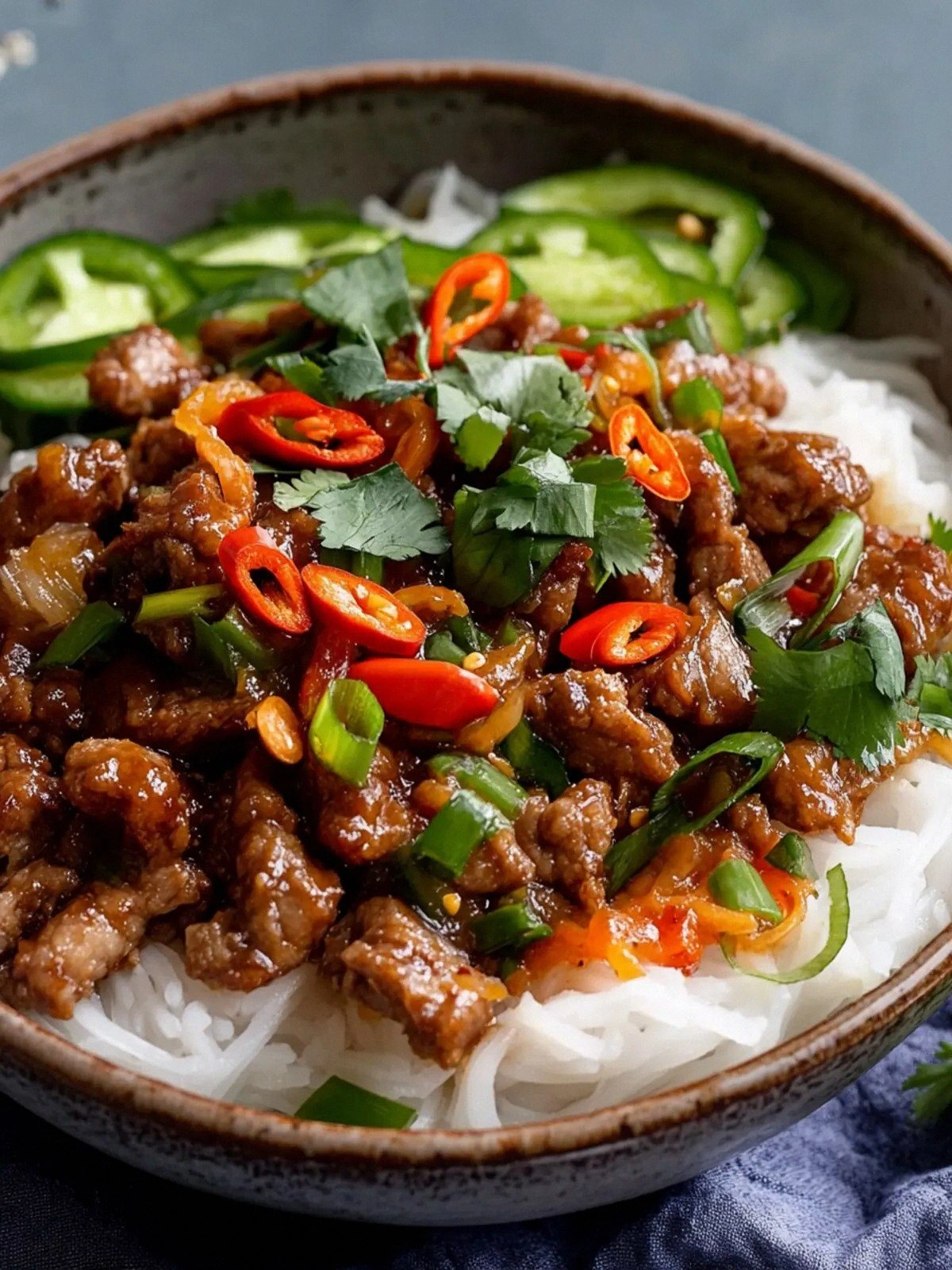
- Final Touches: Add the birds eye chilli and chopped coriander. Let the mixture cook for another minute so the heat can permeate. The final aroma should be a harmonious blend of citrus, heat, and umami.
- Serve: Spoon the pork mixture over a bed of steamed rice. The rice should soak up the sauce, becoming a fragrant, flavorful base. Garnish with extra coriander if you like a fresh, peppery kick.
That’s it — you did it. But hold on, I've got a few more tricks that'll take this to another level…
Insider Tricks for Flawless Results
The Temperature Rule Nobody Follows
Cooking pork mince at a steady medium-high heat ensures the meat stays juicy. If the heat is too low, the pork will release excess fat and become greasy. If it’s too high, the surface will char while the inside remains raw. I’ve learned that a quick test—drop a small piece of meat into the pan—helps you gauge the heat: if it sizzles immediately, you’re good.
Why Your Nose Knows Best
Smell the sauce as it thickens. A sweet, caramelized scent signals that the sugar has cooked properly. If the aroma skews bitter, it’s a sign the sugar is burning. Trust your nose; it’s the most reliable indicator of flavor development.
The 5-Minute Rest That Changes Everything
Let the finished pork mixture rest for five minutes before serving. This allows the flavors to meld and the sauce to settle, giving each bite a consistent taste. I’ve seen people skip this step, and the result is a dish that feels rushed and uneven.
Keep It Fresh with Fresh Herbs
Adding a handful of fresh basil or mint right before serving can elevate the dish with a contrasting herbaceous note. This is optional but highly recommended for those who love a burst of green.
Use a High-Quality Fish Sauce
Fish sauce is the backbone of Vietnamese flavor. A cheap brand can taste metallic or overly salty. Invest in a reputable brand; the difference is noticeable and worth every cent.
Creative Twists and Variations
This recipe is a playground. Here are some of my favorite ways to switch things up:
Spicy Kimchi Twist
Stir in a handful of kimchi after step 6. The fermented tang adds depth and a Korean flair, making the dish a fusion masterpiece that will wow any foodie.
Roasted Sweet Potato Addition
Roast diced sweet potatoes until caramelized and toss them into the pork mixture. The natural sweetness balances the heat and creates a comforting, hearty bowl.
Vegan Version
Swap pork mince for ground tempeh or textured vegetable protein, and use coconut aminos instead of fish sauce. The result is a plant-based bowl that still delivers that signature lemongrass kick.
Breakfast Bowl
Serve the pork mixture over a bed of quinoa and top with a fried egg. The protein boost and the yolk’s richness make for a satisfying morning meal.
Gluten-Free Option
Use a gluten-free soy sauce and a rice-based thickener like arrowroot. The dish remains authentic while accommodating dietary restrictions.
Asian Fusion Salad
Thinly slice the pork and toss it with shredded cabbage, sliced carrots, and a lime vinaigrette. This transforms the bowl into a crunchy, refreshing salad.
Storing and Bringing It Back to Life
Fridge Storage
Store the pork mixture in an airtight container for up to 3 days. Keep the rice separate to avoid sogginess. When reheating, add a splash of water to the pork to restore moisture.
Freezer Friendly
Freeze the pork in portions for up to 2 months. Thaw overnight in the refrigerator and reheat on the stove or in the microwave. The sauce will reconstitute nicely.
Best Reheating Method
Reheat the pork on low heat with a splash of water, stirring until the sauce is silky again. Serve over freshly steamed rice to maintain the dish’s original texture. Add a tiny splash of water before reheating—it steams back to perfection.