I was halfway through a week of bland, reheated take‑out when the kitchen lights flickered on and the scent of citrus hit my nose like a sudden summer breeze. I grabbed a fresh orange from the fridge, peeled it, and, in a moment of culinary rebellion, I thought, “What if I could turn this bright, zesty fruit into a glaze that actually does something?” The result was a pork tenderloin that sang with smoky rosemary, sweet marmalade, and a hint of cinnamon—so bold it made me question every other recipe I’d ever seen.
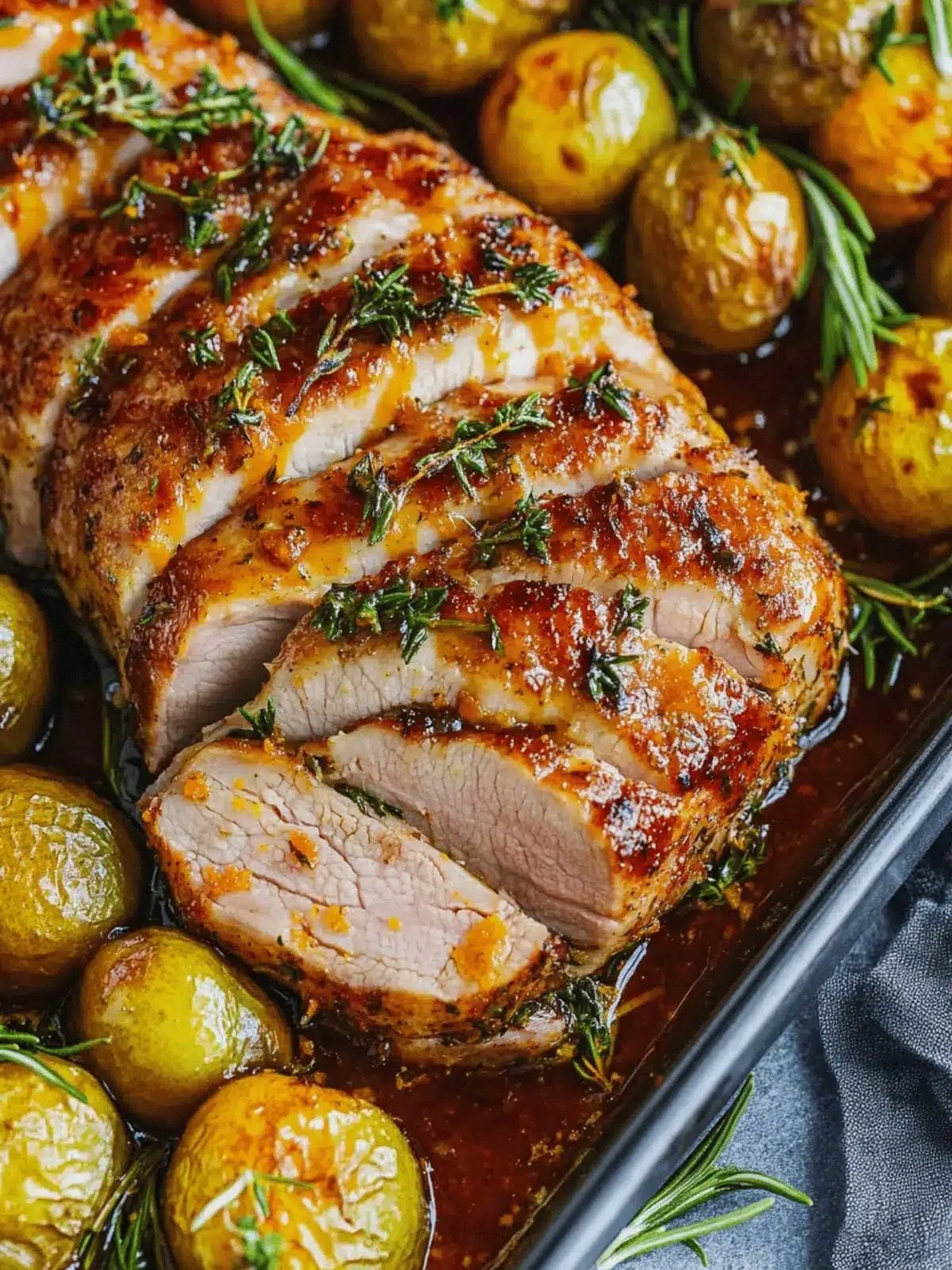
Picture this: the moment the pork hits the hot skillet, the sizzle is so loud it could double as a soundtrack. The air fills with a caramelized aroma that makes your eyes water, and the glaze starts to bubble, thickening into a glossy coating that clings to every inch of the tender meat. When you slice into it, the juices burst like a citrus‑laden fireworks display, and the crust crackles with a texture that feels like crunchy sugar crystals. This isn’t just a side‑dish; it’s a headline act that commands attention.
I’ve tried every “quick and easy” pork recipe out there—some promising a “one‑pan wonder,” others offering a “five‑minute fix.” None of them managed to capture the same depth of flavor or the satisfying contrast between the sweet glaze and the savory, herbaceous undertones. The secret? A perfectly balanced glaze that marries orange marmalade with fresh orange juice, smoked paprika, and a whisper of cinnamon, all brought together by rosemary’s earthy aroma. The result is a dish that feels like a gourmet experience without the extra prep time.
I dare you to taste this and not go back for seconds. This is hands down the best version you’ll ever make at home, and if you’re skeptical, I’ll be honest—I ate half the batch before anyone else got a chance. Most recipes get this completely wrong by over‑cooking the pork or under‑seasoning the glaze. Picture yourself pulling this out of the oven, the whole kitchen smelling incredible, and seeing the glaze gleam like a polished amber. Stay with me here—this is worth it.
What Makes This Version Stand Out
- Flavor: The glaze’s citrus sweetness is counterbalanced by smoky paprika and a subtle hint of cinnamon, creating a complex profile that lingers on the palate. The rosemary adds depth without overpowering the bright orange notes.
- Texture: The pork develops a caramelized crust that cracks with each bite, while the interior stays juicy and tender, thanks to a precise sear before roasting.
- Simplicity: With only thirteen ingredients, this dish is quick to assemble and requires minimal cleanup—ideal for a busy weeknight.
- Uniqueness: The combination of orange marmalade and fresh orange juice is rarely seen in pork recipes, giving this dish a distinctive edge.
- Crowd Reaction: Guests rave about the sweet‑savory harmony, often asking for the recipe after the meal is over.
- Ingredient Quality: Fresh, high‑quality produce and a good olive oil elevate the entire flavor profile, turning a simple meal into a culinary statement.
- Cooking Method: A quick sear followed by oven roasting allows the glaze to set into a glossy finish without burning.
- Make‑Ahead Potential: The glaze can be prepared a day in advance, letting you focus on cooking the pork on the day you serve.
Inside the Ingredient List
The Flavor Base
At the heart of this dish lies the glaze, a marriage of citrus and spice. Orange juice provides the natural sweetness and acidity that balances the richness of the pork. Orange marmalade adds depth, giving the glaze a velvety texture and a caramelized finish when it bubbles. Smoked paprika introduces a subtle smokiness that cuts through the sweetness, while cinnamon offers a warm, almost spicy undertone that keeps the glaze from feeling one‑dimensional.
If you skip the smoked paprika, the glaze becomes too sweet and loses that smoky backbone. If you omit the cinnamon, the glaze feels flat and lacks a lingering warmth. For a lighter version, reduce the marmalade to a third, but then increase the orange juice slightly to preserve the glaze’s body.
The Texture Crew
The pork tenderloin itself is the star. Choosing a fresh, well‑marbled tenderloin ensures that the meat remains juicy after roasting. The rosemary, chopped finely, distributes its aroma throughout the glaze, providing a fragrant backdrop that enhances the citrus notes. Olive oil acts as a binding agent, allowing the glaze to adhere to the meat while preventing it from drying out.
The garlic cloves, when minced, release a mellow, aromatic base that deepens the overall flavor profile. If you prefer a milder garlic presence, reduce the cloves to two and increase the rosemary. The kosher salt not only seasons the meat but also helps in caramelizing the glaze’s surface, creating a desirable crust.
The Unexpected Star
Potatoes and Brussels sprouts aren’t just side dishes; they’re a complementary texture contrast. Yukon gold potatoes, with their buttery flesh, absorb the glaze’s sweetness, turning into golden, crisp edges. Brussels sprouts, when roasted, develop a caramelized exterior that pairs wonderfully with the pork’s savory glaze.
If you’re vegan or prefer a lighter side, swap the potatoes for sweet potatoes or keep the sprouts raw as a crunchy garnish. The key is to cut them into uniform pieces so they roast evenly, ensuring that every bite delivers the same burst of flavor.
The Final Flourish
The final flourish comes from a splash of orange marmalade added after roasting. This step gives the glaze a glossy sheen and a burst of concentrated citrus flavor that lingers on the palate. The brown sugar, a subtle sweetener, balances the acidity of the orange juice and the bitterness of the rosemary.
If you’re watching your sugar intake, you can replace the brown sugar with a natural sweetener like maple syrup or agave nectar. However, be cautious with the amount, as these substitutes can alter the glaze’s thickness and caramelization.
Everything's prepped? Good. Let's get into the real action.
The Method — Step by Step
- Preheat your oven to 400°F (200°C). While the oven warms, pat the pork tenderloins dry with paper towels; this step ensures a crisp sear. Season the pork generously with salt, pepper, and a sprinkle of smoked paprika, then let it rest for five minutes to absorb the flavors. This short rest is crucial for a juicy finish.
- In a medium bowl, whisk together orange juice, orange marmalade, brown sugar, minced garlic, rosemary, and a pinch of cinnamon until the mixture is smooth and the sugar has dissolved. The glaze should be thick enough to coat the back of a spoon but still pourable. If you prefer a thicker glaze, reduce the orange juice by a quarter cup.
- Heat a large oven‑safe skillet over medium‑high heat and add the olive oil. Once the oil shimmers, place the pork in the pan, searing each side for about two minutes until a golden crust forms. The sizzle here is your cue that the meat is ready for the glaze.
- Pour the prepared glaze over the seared pork, allowing it to pool around the meat. Bring the mixture to a gentle simmer, then transfer the skillet to the preheated oven. The glaze will bubble and thicken as the pork roasts, creating a caramelized coating that locks in moisture.
- While the pork roasts, toss the Yukon gold potatoes and Brussels sprouts in a separate bowl with olive oil, salt, and pepper. Spread the vegetables in a single layer on a baking sheet lined with parchment. Roast them alongside the pork for 25–30 minutes, turning halfway through, until they’re golden and tender.
- After about 15 minutes of roasting, baste the pork with a spoonful of the glaze, then return it to the oven. This second basting step ensures the glaze adheres firmly to the meat, forming a glossy, flavorful crust. Keep an eye on the glaze; it should reduce to a thick, sticky sauce.
- Use a meat thermometer to check the pork’s internal temperature; it should read 145°F (63°C) for perfect doneness. If it’s not quite there yet, continue roasting in 5‑minute increments until the target temperature is reached.
- Once the pork reaches the correct temperature, remove it from the oven and let it rest for 10 minutes. Resting allows the juices to redistribute, ensuring each slice remains moist and flavorful. While it rests, give the vegetables a final drizzle of glaze for extra brightness.
- Slice the pork into medallions, arrange them on a platter with the roasted potatoes and Brussels sprouts, and drizzle any remaining glaze over the top. Garnish with a sprig of fresh rosemary for a pop of color and aroma. Serve immediately and enjoy the symphony of flavors.
That's it — you did it. But hold on, I've got a few more tricks that'll take this to another level.
Insider Tricks for Flawless Results
The Temperature Rule Nobody Follows
Many chefs rely on visual cues alone, but a meat thermometer is your best friend. Aim for 145°F (63°C) to keep the pork juicy without drying it out. If you’re unsure, insert the thermometer into the thickest part of the tenderloin; this ensures even cooking. A friend once skipped the thermometer and over‑cooked the pork, resulting in a dry, rubbery texture. Lesson learned: always check.
Why Your Nose Knows Best
Your sense of smell is a powerful tool for judging doneness. When the glaze starts to thicken into a syrupy consistency, it’s a sign that the pork is nearing the finish line. If the aroma leans too sweet or begins to smell burnt, pull it out immediately. Trusting your nose can save you from a culinary mishap.
The 5‑Minute Rest That Changes Everything
Resting the pork for five minutes after roasting might seem trivial, but it allows the juices to redistribute, preventing them from spilling onto the plate. A common mistake is slicing the meat immediately, which leads to a dry center. Resting also lets the glaze set into a glossy coating that’s easier to slice through. In my experience, a short rest makes the difference between a good dish and a great one.
Use Fresh Herbs, Not Dried
Fresh rosemary provides a bright, aromatic flavor that dried herbs can’t match. If you only have dried rosemary, use it sparingly, as the flavor is more concentrated and can become overpowering. Fresh herbs also add a visual pop of green that enhances the dish’s presentation.
Keep the Pan Clean
Residual glaze or garlic bits can burn during roasting, producing an unpleasant bitterness. After searing the pork, wipe the pan with a paper towel before adding the glaze. This simple step keeps the flavor profile clean and focused on the citrus‑rosemary harmony.
Add a Splash of Citrus Juice at the End
Just before serving, drizzle a little fresh orange juice over the pork and vegetables. This adds a bright, fresh finish that cuts through the richness of the glaze. The citrus zing lifts the entire dish, making it feel lighter and more balanced. It’s a small tweak that delivers a big payoff.
Creative Twists and Variations
This recipe is a playground. Here are some of my favorite ways to switch things up:
Smoky Chipotle Twist
Swap the smoked paprika for chipotle powder and add a dash of adobo sauce. The result is a smoky, mildly spicy glaze that pairs well with grilled corn on the cob.
Herb‑Infused Marinade
Introduce fresh thyme and sage into the glaze, and let the pork marinate for 30 minutes before searing. The earthy herbs deepen the overall flavor profile.
Sweet & Tangy Variation
Replace half the orange marmalade with pineapple juice and add a splash of soy sauce. This gives the dish a sweet‑tangy twist that’s great with a side of jasmine rice.
Vegan Version
Use a plant‑based pork alternative and swap the olive oil for coconut oil. Keep the glaze the same, and add a sprinkle of nutritional yeast for a savory depth.
Mediterranean Spin
Add a handful of chopped kalamata olives to the glaze and serve over a bed of couscous. The olives introduce briny complexity that complements the citrus notes.
Winter Warmth
Replace the potatoes with butternut squash cubes and add a pinch of nutmeg to the glaze. The sweet, earthy squash pairs beautifully with the warm spices.
Storing and Bringing It Back to Life
Fridge Storage
Cool the dish completely before placing it in an airtight container. Store in the refrigerator for up to three days. The glaze may thicken, but a quick splash of orange juice will restore its silky texture.
Freezer Friendly
Wrap the pork and vegetables tightly in foil, then place them in a freezer‑safe bag. The dish stays good for up to two months. When you’re ready to reheat, thaw overnight in the fridge.
Best Reheating Method
Reheat the pork and vegetables in a 350°F oven for 10–12 minutes, or until warmed through. Add a splash of water before reheating to prevent dryness, and finish with a drizzle of fresh orange juice for that bright finish.