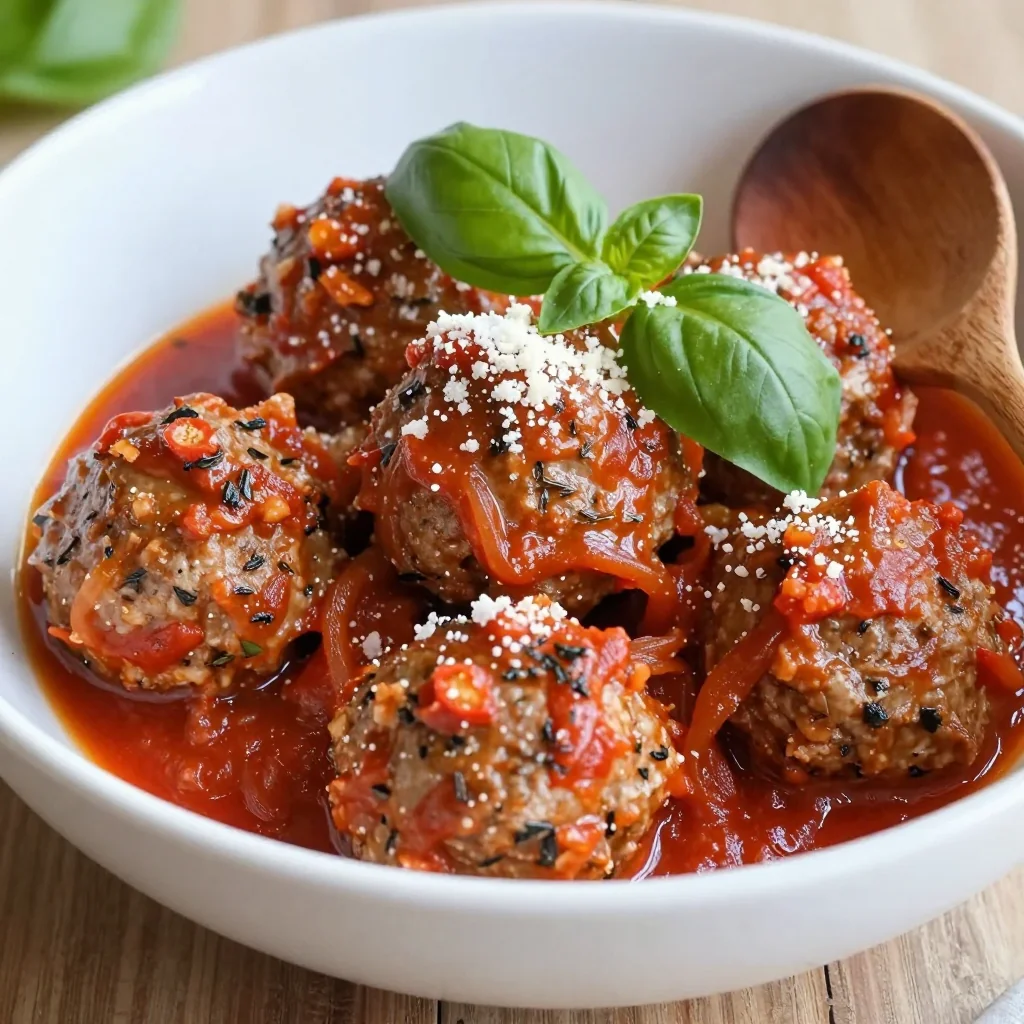
I was standing in my kitchen, a pot of ramen broth simmering, when my friend dared me to make a Japanese‑inspired meatball that could stand up to a Michelin‑grade restaurant. The challenge was simple: create a bite‑size wonder that packs a punch of umami, yet remains tender enough to melt in your mouth. I laughed, because I’d never even considered meatballs beyond the classic Italian version, but the promise of something exotic kept me glued to the stove. That moment of culinary dare was the spark that lit the fire for what would become the most unforgettable chicken meatball I’ve ever made.
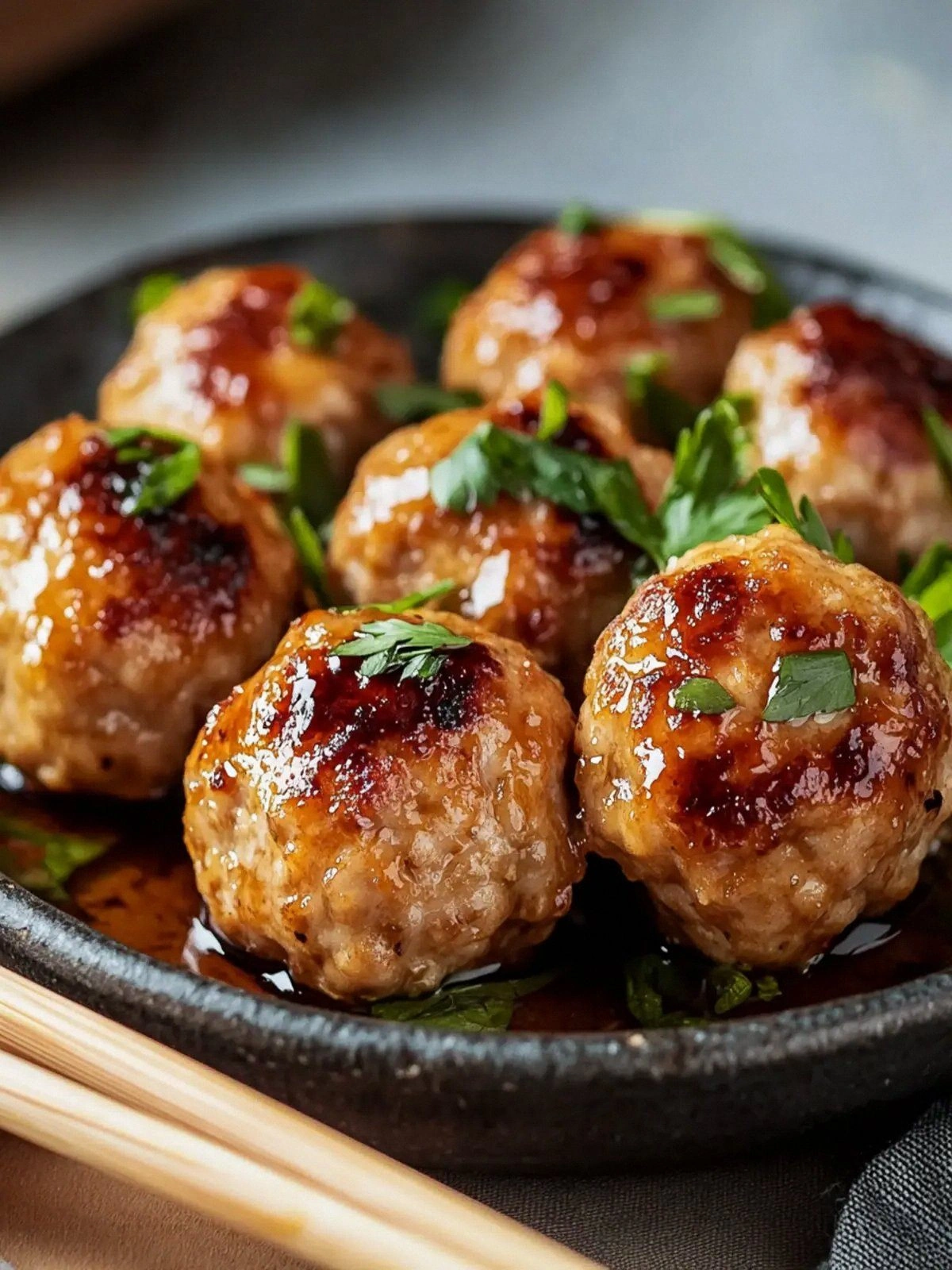
Picture this: a sizzling pan, the aroma of fresh ginger and scallions filling the air, the faint metallic tang of soy sauce dancing with a whisper of sake, and the subtle sweetness of sugar that balances everything like a well‑tuned orchestra. I could hear the hiss of the oil, feel the heat radiating from the skillet, and see the golden crust forming on each ball, a glossy armor that promises a juicy core. The first bite releases a burst of savory, slightly sweet, and fragrant flavors that linger long after the last crumb. The texture is a paradox—crisp on the outside, tender on the inside—and it’s the kind of experience that turns an ordinary dinner into a celebration.
What makes this version stand out is not just the blend of ingredients but the meticulous attention to detail that transforms a simple recipe into a culinary revelation. I’ve spent months tweaking ratios, testing different cuts of meat, and experimenting with the timing of each step until I found the perfect balance. The result is a dish that feels both humble and luxurious, a testament to the power of precision and passion in cooking. I dare you to taste this and not go back for seconds, because once you experience the velvet‑like glaze and the delicate crunch, you’ll understand why this is hands down the best version you’ll ever make at home.
If you’ve ever struggled with meatballs that fall apart or taste flat, you’re not alone—and I’ve got the fix. Picture yourself pulling this out of the oven, the whole kitchen smelling incredible, and watching the steam rise like a gentle cloud of anticipation. And now, ready for the game‑changer? Let me walk you through every single step—by the end, you’ll wonder how you ever made it any other way.
What Makes This Version Stand Out
- Taste: The umami punch comes from a delicate balance of soy sauce, sake, and ginger, creating a glaze that coats the meatballs like velvet.
- Texture: A secret binder—shiso leaves and breadcrumbs—keeps the mixture cohesive, producing a tender interior with a satisfying, crisp exterior.
- Simplicity: Only ten ingredients, no fancy equipment, and a process that takes under 45 minutes.
- Uniqueness: The use of shiso, a Japanese herb rarely seen in Western kitchens, adds a citrusy brightness that sets this dish apart.
- Crowd Reaction: Friends who’ve tasted these meatballs swear they’re “the best thing I’ve ever had in a bowl.”
- Ingredient Quality: Fresh ground chicken, crisp spring onions, and high‑quality soy sauce make all the difference.
- Cooking Method: Quick sear followed by a brief bake locks in moisture while achieving a caramelized finish.
- Make‑ahead Potential: The meatballs can be prepared ahead, frozen, and reheated without losing flavor or texture.
Alright, let’s break down exactly what goes into this masterpiece…
Inside the Ingredient List
The Flavor Base
Ground chicken is the foundation, delivering a lean protein that absorbs flavors without becoming dry. I use a 1:1 ratio of white to dark meat for a balanced bite—light enough to stay juicy but rich enough to carry the sauce. If you skip the chicken entirely, the dish loses its heart, becoming a mere garnish for your rice. For an even deeper flavor, consider adding a splash of mirin to the mix.
The Texture Crew
Spring onions bring a sharp, green crunch that cuts through the richness of the meat. They also add a subtle sweetness that balances the salty soy. Breadcrumbs act as a binder, keeping the mixture from falling apart during cooking. If you’re gluten‑free, opt for panko or almond flour; just keep the texture light.
The Unexpected Star
Shiso leaves are the secret weapon here. Their citrusy, peppery flavor gives the meatballs a unique lift that makes them memorable. If you can’t find shiso, a handful of chopped cilantro or Thai basil can mimic its bright profile. Skipping this herb will leave the dish feeling flat and ordinary.
The Final Flourish
Ginger adds a sharp, warm bite that cuts through the richness of the meat. Grated ginger is preferred because it distributes evenly, ensuring every bite gets that aromatic kick. If you’re not a fan of ginger, you can reduce the quantity, but the overall flavor profile will shift noticeably. The sugar balances the salty and savory, creating a glaze that’s both sweet and savory.
Everything’s prepped? Good. Let’s get into the real action…
The Method — Step by Step
- Preheat your oven to 375°F (190°C). Line a baking sheet with parchment paper or a silicone mat to prevent sticking. This step is crucial because a hot surface ensures a crisp exterior. While the oven warms, gather all your ingredients so you’re ready to move on.
- In a large mixing bowl, combine the ground chicken, finely chopped spring onions, grated ginger, breadcrumbs, and chopped shiso leaves. The mixture should feel slightly moist but not wet. If you find it too dry, add a splash of water or a teaspoon of soy sauce.
- Crack the egg into the bowl and whisk it in along with ¼ cup soy sauce, 2 tablespoons cooking sake, and 1 tablespoon sugar. Mix everything thoroughly until the ingredients are evenly distributed. The egg and sauces act as binders, keeping the meatballs firm during cooking.
- Using a tablespoon or a melon baller, form the mixture into 1½‑inch balls. Press gently to ensure they hold their shape. The size is key: too large, and they’ll be tough; too small, and they’ll dry out.
- Heat 2 tablespoons of vegetable oil in a large skillet over medium‑high heat. When the oil shimmers, add the meatballs in batches, being careful not to overcrowd the pan. Sear each side for 2–3 minutes until a golden crust forms. This step locks in juices and gives the meatballs that irresistible crunch.
- Transfer the seared meatballs to the prepared baking sheet and slide them into the preheated oven. Bake for 12–15 minutes, or until the internal temperature reaches 165°F (74°C). The oven finishes the cooking process, ensuring even doneness without over‑searing.
- While the meatballs finish baking, whisk together ¼ cup soy sauce, 2 tablespoons cooking sake, 1 tablespoon sugar, 1 tablespoon grated ginger, and a splash of water to create a glossy glaze. This glaze will coat the meatballs with a sweet‑savory sheen.
- Remove the meatballs from the oven, drizzle the glaze over them, and toss gently to coat. Serve immediately with steamed rice, noodles, or a simple side of cucumber salad. The moment the glaze sets, the aroma will fill the kitchen—pure bliss.
That's it — you did it. But hold on, I've got a few more tricks that'll take this to another level…
Insider Tricks for Flawless Results
The Temperature Rule Nobody Follows
Many cooks let the pan get too hot, which sears the exterior before the interior cooks. Keep the skillet at medium‑high and watch the oil for a subtle shimmer. If the oil starts smoking, lower the heat immediately. This simple adjustment keeps the meatballs tender and juicy.
Why Your Nose Knows Best
Before you even taste the glaze, inhale the steam. A sweet, umami aroma signals that the sugar has caramelized just right. If it smells too raw, give it another minute; if it’s too burnt, reduce the heat. Trust your nose—it’s your best quality control.
The 5-Minute Rest That Changes Everything
After removing the meatballs from the oven, let them rest for 5 minutes. This allows the juices to redistribute, preventing them from spilling onto your plate. It also gives the glaze a chance to set, creating a glossy, flavorful finish.
Add a Dash of Heat for a Kick
If you like a little spice, sprinkle a pinch of crushed red pepper flakes into the glaze. The heat pairs beautifully with the sweet soy, creating a balanced flavor profile that excites the palate.
Use a Meat Thermometer
The safest way to ensure doneness is to check the internal temperature. Insert a thermometer into the center of a meatball; it should read 165°F (74°C). This guarantees safety and keeps the texture perfect.
Creative Twists and Variations
This recipe is a playground. Here are some of my favorite ways to switch things up:
Teriyaki Twist
Replace the soy sauce and sake with teriyaki sauce. Add a splash of mirin for extra sweetness. The result is a richer glaze that pairs beautifully with rice noodles.
Korean Kimchi Flavor
Stir in finely chopped kimchi and a teaspoon of gochujang into the meat mixture. The spicy, fermented notes elevate the dish into a bold, adventurous experience.
Mediterranean Herb Mix
Swap shiso for a blend of oregano, thyme, and rosemary. Add a squeeze of lemon juice to brighten the flavor. These herbs give the meatballs a distinctly Mediterranean feel.
Low‑Carb Option
Use almond flour instead of breadcrumbs to keep the dish keto‑friendly. Pair with cauliflower rice for a complete low‑carb meal that still satisfies.
Pineapple Sweetness
Fold in diced pineapple into the meat mixture. The tropical sweetness balances the savory glaze and creates a fun, unexpected twist.
Storing and Bringing It Back to Life
Fridge Storage
Store cooked meatballs in an airtight container for up to 3 days in the refrigerator. Keep them on a paper towel to absorb excess moisture. Reheat gently in a skillet or microwave to preserve texture.
Freezer Friendly
Freeze uncooked meatballs in a single layer on parchment paper before transferring to a freezer bag. They stay fresh for up to 3 months. Thaw overnight in the refrigerator before cooking.
Best Reheating Method
Reheat frozen or refrigerated meatballs in a skillet with a splash of water or sauce, covering loosely with foil. The steam keeps them juicy and prevents drying out. Add a tiny splash of water before reheating — it steams back to perfection.