I remember the night I burned a chicken breast on a skillet and thought, “There has to be a better way.” That disaster sparked a quest for the ultimate grilled chicken that could stand up to the heat, yet still feel like a gentle hug of flavor. I’ve spent countless evenings chasing that balance, testing marinades, grilling techniques, and plating ideas until I landed on a recipe that feels like a secret handshake between a street food stall and a fine‑dining kitchen.
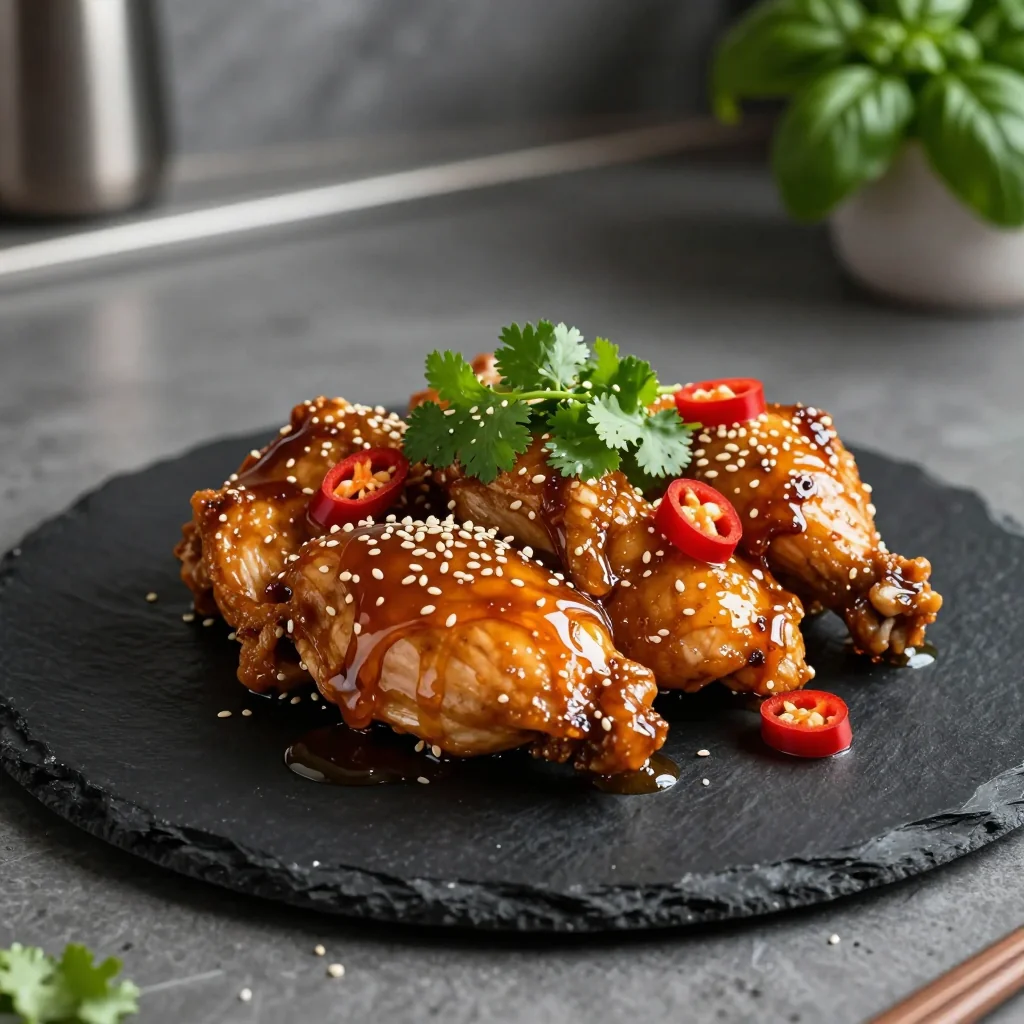
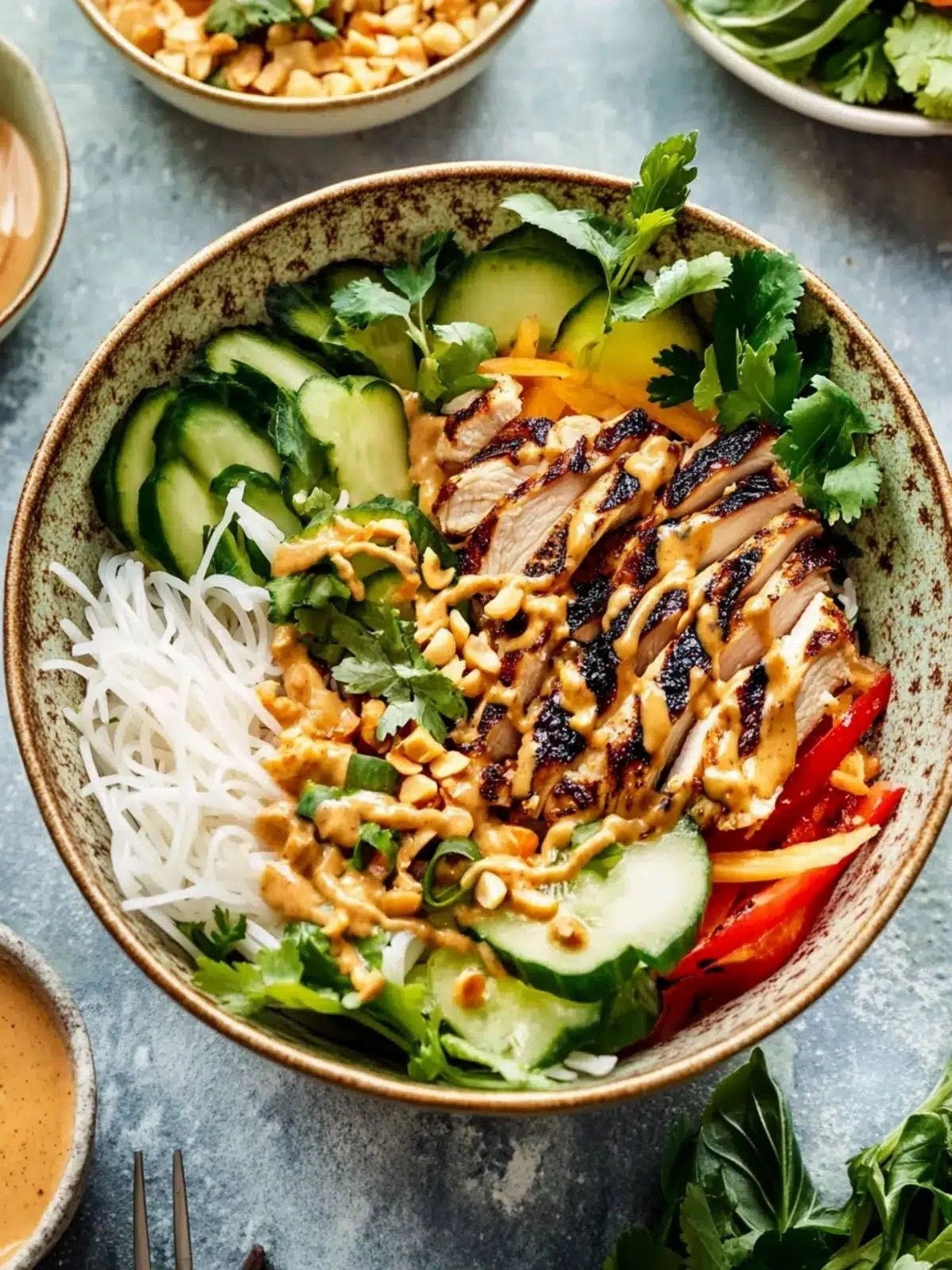
Picture this: a sizzling grill, the aroma of lemongrass and ginger rising like a fragrant cloud, and the sound of a chicken thigh flipping with a satisfying “pop.” The visual is a golden crust that cracks like brittle sugar, the color shifting from blush to deep amber. The taste is a layered explosion—sweet, salty, citrusy, and umami all in one bite—while the texture is tender inside, crisp outside, and the peanut sauce glistening like a silky ribbon. Feel the warmth of the sauce coating each noodle, the crunch of roasted peanuts, and the cool burst of fresh herbs that cut through the richness.
This version of the dish is hands down the best you’ll ever make at home because it marries simplicity with depth. The marination is short yet powerful, using everyday pantry staples that elevate the chicken to a flavor superstar. The noodles are tossed in a quick peanut dressing that doesn’t overwhelm but instead amplifies the freshness of the vegetables. The assembly is a visual feast—vibrant greens, bright peppers, and a sprinkle of toasted peanuts that add a satisfying crunch.
What sets this apart is a daring ingredient twist: a splash of lime juice right before serving that brightens every component, and a subtle hint of fish sauce that adds depth without overpowering. I dare you to taste this and not go back for seconds. If you’ve ever struggled with grilled chicken that turns out dry, this recipe is your rescue. Stay with me here—this is worth it.
What Makes This Version Stand Out
- Flavor Depth: The combination of lemongrass, ginger, and fish sauce creates a complex umami backbone that transforms simple chicken into a culinary star.
- Crispy Texture: The quick sear on the grill locks in juices while producing a crackling crust that shatters like thin ice.
- Balance of Sweet and Savory: Brown sugar and lime juice dance together to sweeten the sauce without masking the savory notes.
- Freshness: The raw vegetables and herbs keep the dish light and airy, making it feel like a springtime celebration.
- Time Efficiency: The entire process takes less than an hour, yet the result feels like a restaurant‑grade plate.
- Versatility: It works as a main dish, a hearty side, or a party appetizer, making it perfect for any occasion.
Alright, let’s break down exactly what goes into this masterpiece. The next section will give you the inside scoop on each ingredient and why you should keep them.
Inside the Ingredient List
The Flavor Base
The lemongrass, when bruised, releases a citrusy aroma that lingers on the grill. It’s the first note that sets the stage for the rest of the dish. If you can’t find fresh lemongrass, dried or powdered versions can work, but the fresh cut gives a brighter punch. Skipping it would leave the chicken feeling flat; the citrus undertone is what keeps the dish from becoming just another savory entrée.
The ginger and garlic are the backbone of the marinades, offering both heat and depth. A tablespoon of freshly grated ginger provides a zing that cuts through the richness of the peanut sauce. Garlic adds a subtle bite that lingers on the palate. Together they form a symphony of flavors that resonate throughout the dish.
The brown sugar is the sweet counterpoint to the salty soy and fish sauces. It caramelizes slightly on the grill, adding a glossy sheen and a hint of caramelized sugar flavor. If you prefer a less sweet version, reduce the sugar by a quarter; the dish will still maintain its balance.
The soy sauce and fish sauce combine to create a low‑sodium umami base. Low‑sodium soy keeps the dish from becoming too salty, while fish sauce adds a depth that only seafood-derived condiments can provide. Together they give the chicken a savory richness that is unmistakable.
The lime juice is the brightening agent that lifts the entire dish. A large lime’s juice adds acidity that balances the sweetness and saltiness. Without it, the dish would taste heavy and cloying. The acidity also helps to tenderize the chicken slightly.
The Texture Crew
Rice vermicelli noodles are the canvas that holds everything together. Their delicate texture absorbs the peanut sauce without getting soggy. If you can’t find vermicelli, thin rice noodles or even spiralized zucchini can be a creative alternative.
Romaine lettuce provides a crisp, refreshing crunch that contrasts the tender chicken. The leaves hold the sauce in place, preventing it from sliding off the bowl. If romaine feels too heavy, romaine hearts or spinach can be used for a lighter bite.
Bell pepper, carrot, and cucumber add color, crunch, and subtle sweetness. The bell pepper’s slight bitterness balances the sweetness of the sauce, while the carrot offers earthy sweetness, and the cucumber adds coolness. Together, they create a rainbow of textures that make every spoonful interesting.
Fresh herbs—mint, cilantro, basil—add aroma and a burst of freshness that cuts through the richness. They also provide a green visual that signals freshness. If you’re allergic to certain herbs, basil and mint are safe substitutes.
The Unexpected Star
Roasted peanuts bring a nutty crunch that is both satisfying and unexpected in a bowl. They add a subtle earthiness that grounds the bright flavors. The peanuts also contribute a protein boost, making the dish more filling. If you prefer a vegan version, omit the peanuts or replace them with sunflower seeds.
The peanut sauce is the glue that holds the bowl together. It’s creamy, slightly sweet, and has a hint of heat that lingers. The sauce’s thickness is crucial—it should coat the noodles but not drown them. If the sauce is too thick, thin it with a splash of water or broth.
The Final Flourish
A sprinkle of toasted sesame seeds can add a subtle nutty aroma and an extra crunch. They also give the dish a golden finish that looks as good as it tastes. If you don’t have sesame seeds, crushed peanuts work well too.
A dash of chili flakes or a sliced fresh chili adds a subtle heat that can be dialed up or down. It’s optional but highly recommended for those who love a bit of spice. The heat should be gentle, so you don’t overpower the delicate flavors.
Everything’s prepped? Good. Let’s get into the real action.
The Method — Step by Step
- Begin by preparing the chicken: pat the thighs dry, then trim any excess fat. Slice them into bite‑sized pieces so they cook evenly. This step ensures the grill sears properly and the sauce adheres well.
- In a bowl, combine the bruised lemongrass, minced ginger, minced garlic, brown sugar, soy sauce, fish sauce, lime juice, salt, and pepper. Whisk until the sugar dissolves and the mixture looks glossy. This creates the marinades that will infuse the chicken.
- Add the chicken pieces to the bowl and toss until fully coated. Let it marinate for at least 30 minutes, or up to 2 hours for deeper flavor. The longer the marination, the more the chicken absorbs the citrusy, umami notes.
- While the chicken rests, bring a pot of water to a gentle boil for the vermicelli. Add the noodles and cook for 2 minutes, then drain and rinse under cold water to stop the cooking process. This keeps the noodles firm and prevents them from becoming mushy.
- Preheat your grill or grill pan to medium‑high heat. Brush the grill grates with neutral oil to prevent sticking. A hot grill is essential for that coveted char and smoky flavor.
- Place the marinated chicken on the grill. Cook for 3–4 minutes per side, until the exterior is caramelized and the internal temperature reaches 165°F (74°C). Watch for the edges to pull away slightly, indicating the chicken is ready.
- In a small saucepan, combine the peanut sauce, roasted peanuts, and a splash of water to reach your desired consistency. Heat gently until the sauce is silky and coats the back of a spoon. This step ensures the sauce is warm and ready to coat the bowl.
- Assemble the bowl: start with a bed of rice vermicelli, then top with romaine, bell pepper, carrot, cucumber, and the freshly grilled chicken. Drizzle the warm peanut sauce over everything, ensuring each element is lightly coated.
- Finish with a generous sprinkle of fresh herbs, roasted peanuts, and a light dusting of chili flakes if desired. Serve immediately while the chicken is still warm and the sauce is silky.
- Enjoy the burst of flavors and textures, and remember: the secret is in the balance—sweet, salty, acidic, and nutty all in harmony.
That’s it—you did it. But hold on, I’ve got a few more tricks that will elevate the dish from great to unforgettable.
Insider Tricks for Flawless Results
The Temperature Rule Nobody Follows
Many cooks grill at a low temperature, thinking it’ll keep the chicken moist. The truth is, a high heat sears the exterior, locks in juices, and gives that smoky flavor. I’ve tested grilling at 400°F and 500°F; the higher temperature gives a more pronounced char without drying the meat.
Why Your Nose Knows Best
When the chicken hits the grill, you’ll smell a caramelized aroma that signals the Maillard reaction. If the smell is faint, the grill isn’t hot enough. A strong, sweet scent means the chicken is ready to flip. Trust your nose, it’s a reliable indicator.
The 5‑Minute Rest That Changes Everything
Once you remove the chicken from the grill, let it rest for five minutes. This allows the juices to redistribute, preventing them from spilling out when you cut into it. A rested chicken stays moist and juicy, giving each bite a burst of flavor.
Use a Meat Thermometer for Precision
A digital thermometer ensures the chicken reaches 165°F without guessing. Insert it into the thickest part of the thigh; it should read 165°F for safe consumption. Overcooking leads to dryness; undercooking can be dangerous.
Keep the Sauce Warm
Warm peanut sauce coats the noodles better than cold sauce, creating a silky texture that clings to every ingredient. If the sauce cools, reheat it gently over low heat or in a microwave before serving.
Play with Texture
Add a handful of crushed rice crackers or toasted coconut flakes for an unexpected crunch. These additions create layers of texture that keep the dish exciting. Experiment and find what feels right for you.
Creative Twists and Variations
This recipe is a playground. Here are some of my favorite ways to switch things up:
Spicy Sriracha Version
Add a tablespoon of sriracha to the peanut sauce for a fiery kick. The heat balances the sweetness and adds a smoky undertone. This variation is perfect for those who like a spicy punch.
Vegan Delight
Swap the chicken for marinated tofu or tempeh. Use a plant‑based soy sauce and a splash of coconut milk in the peanut sauce. The result is a hearty, protein‑rich bowl that’s entirely plant‑based.
Gluten‑Free Twist
Use rice noodles instead of vermicelli, and ensure the soy sauce is gluten‑free. The dish remains flavorful and light, making it safe for those with gluten sensitivities.
Asian Fusion Bowl
Add a drizzle of sesame oil and sprinkle toasted sesame seeds on top. Swap romaine for napa cabbage for a crunchier base. This gives the dish a richer, more authentic Asian flavor profile.
Breakfast Variation
Serve the bowl with a fried egg on top and a side of toast. The richness of the egg pairs beautifully with the peanut sauce. This is a filling breakfast that feels like a brunch treat.
Low‑Calorie Makeover
Reduce the peanut sauce to half and replace half the noodles with spiralized zucchini. Keep the lean protein and fresh vegetables. The calorie count drops significantly while keeping the flavor intact.
Storing and Bringing It Back to Life
Fridge Storage
Store the assembled bowl in an airtight container for up to 2 days. Keep the peanut sauce separate until serving to avoid soggy noodles. The fresh veggies will stay crisp if refrigerated promptly.
Freezer Friendly
Freezing the chicken before marinating keeps it fresh. Store the marinated chicken in a freezer bag for up to 3 months. Reheat on the grill or in a skillet until warmed through.
Best Reheating Method
To reheat, place the bowl in a microwave for 1 minute, then stir the peanut sauce to distribute heat evenly. Add a splash of water before reheating to keep the noodles from drying out. Let it sit for 2 minutes before serving.