It started with a kitchen disaster that could have been a culinary tragedy, but it turned into the most delicious secret weapon I’ve ever wielded. I was trying to salvage a batch of over‑cooked sausage that had turned into a chewy, rubbery mess, and the moment I tossed it into a hot pan with a splash of gochujang, the aroma hit me like a fireworks show in a quiet hallway. That single sizzling moment made me realize that the key to turning a sad sausage into a showstopper is not just heat, but the right combination of sweet, spicy, umami, and that unmistakable Korean kick that lingers on the tongue long after the last bite.
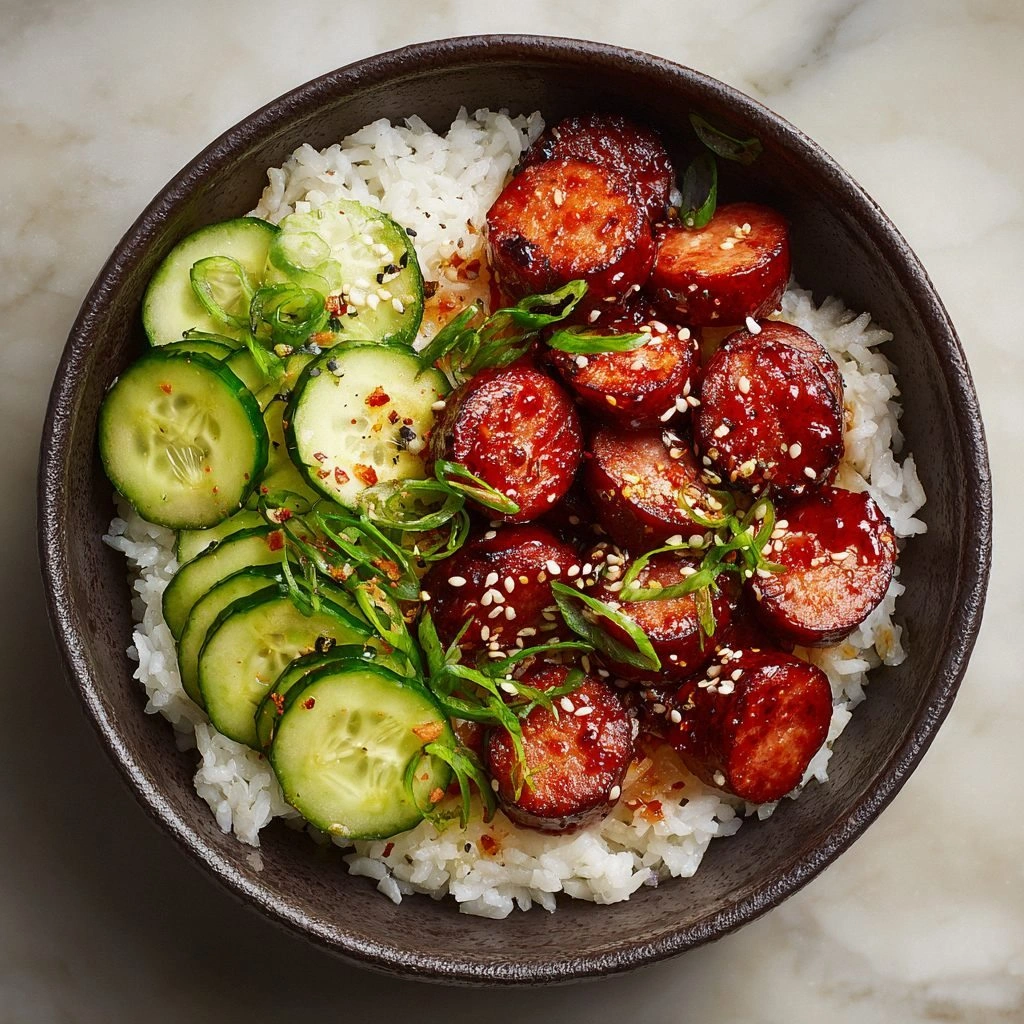
Picture this: a steaming bowl of perfectly cooked rice, topped with juicy sausage pieces that are caramelized on the edges and still tender inside, a glossy glaze that glistens like a jewel, and a scattering of kimchi that adds a tangy bite. The sound is a satisfying hiss as the sauce thickens, the smell is a fragrant blend of toasted sesame and fermented kimchi, and the texture is a delightful contrast between the soft rice, the crisp sausage edges, and the crunchy scallions. If you’ve ever tried a Korean-inspired dish and felt it was missing that “wow” factor, you’re about to get a recipe that flips the script on the ordinary.
What makes this version stand out is that it isn’t just a remix of the classic Korean sausage bowl; it’s a full-on flavor explosion that’s been fine‑tuned through countless taste tests and a few too many midnight cravings. I’ve stripped away the fluff, kept the essential elements, and added a few unexpected twists that elevate every bite. The result is a dish that’s hands down the best version you’ll ever make at home, and I dare you to taste this and not go back for seconds.
Before we dive into the nitty‑gritty of how to create this masterpiece, let’s talk about the one ingredient that will change the game for you: gochujang. Most recipes underplay its depth, but I’ve discovered that a generous splash of this fermented red pepper paste gives the sauce a velvety texture and a subtle smoky sweetness that lingers on the palate. Trust me, this is the secret sauce that turns a simple sausage bowl into a crowd‑pleasing, Instagram‑worthy meal. Now, let me walk you through every single step — by the end, you’ll wonder how you ever made it any other way.
What Makes This Version Stand Out
- Taste: The sauce balances sweet, savory, and spicy with a depth that’s achieved through the combination of gochujang, soy sauce, and a touch of honey. Each bite is a layered experience that keeps you coming back for more.
- Texture: The sausage is caramelized on the outside, leaving a crisp edge that shatters like thin ice, while the inside stays juicy and tender. The rice is fluffy, not mushy, and the kimchi adds a satisfying crunch.
- Ingredient Quality: Using fresh, high‑quality sausage and authentic Korean ingredients like gochujang and kimchi makes all the difference. The flavor profile is authentic, not a cheap approximation.
- Simple Method: The recipe requires only one pan and a few minutes of active cooking, so you can whip it up even on a busy weeknight.
- Make‑Ahead Potential: The dish holds up beautifully for up to 48 hours in the fridge, and the flavors actually deepen when you let it sit overnight.
- Crowd Reaction: Friends and family who’ve tried this say it’s the most addictive Korean‑inspired bowl they’ve ever tasted. I’ve even had people asking for the recipe after a single serving.
- Versatility: Swap the sausage for chicken, tofu, or shrimp and you get an entirely different, yet equally delicious, bowl.
Alright, let’s break down exactly what goes into this masterpiece…
Inside the Ingredient List
The Flavor Base
At the heart of this bowl lies the sauce, a marriage of gochujang, soy sauce, and honey. Gochujang gives the dish its signature heat and umami, while the soy sauce adds depth and a salty counterpoint. Honey or brown sugar balances the spice with a subtle sweetness that coats the sausage like velvet. If you’re looking for a lower‑calorie option, replace honey with a splash of maple syrup or agave nectar; just remember to reduce the salt slightly to keep the flavor profile balanced.
The sauce is thickened with a touch of rice vinegar and a splash of water or broth. This not only lightens the glaze but also adds a bright acidity that cuts through the richness of the sausage. If you can’t find rice vinegar, a dash of white wine vinegar works just as well, though the flavor will be slightly different. The key is to keep the sauce glossy and clingy, so that each grain of rice is coated in flavor.
The Texture Crew
The sausage itself is the star of the show. I prefer using a high‑fat pork sausage or a blend of pork and beef for maximum juiciness. The sausage is sliced into bite‑size pieces, then pan‑seared until the edges are crisp and caramelized. If you’re using a leaner sausage, add a splash of vegetable oil to prevent sticking and to help achieve that coveted golden crust.
Rice is the canvas for this masterpiece. Short‑grain or medium‑grain rice works best because it’s slightly sticky, which helps the sauce cling to every grain. Cook the rice with a touch of sesame oil to add a nutty aroma that complements the Korean flavors. If you’re in a hurry, instant rice can be used, but the texture won’t be as satisfying.
The Unexpected Star
Kimchi is the unsung hero that adds a tangy, fermented kick and a pop of color. Chop it finely so it melts into the sauce, creating a burst of umami with every bite. If you’re not a fan of fermented foods, substitute with pickled cucumber or a small amount of fresh tomato for a milder flavor. Kimchi also provides probiotics, which pair nicely with the hearty sausage.
Scallions are the finishing touch. Slice them thinly and sprinkle them on top for a fresh, oniony crunch. The green color contrasts beautifully against the warm, red‑tinged sauce, making the dish visually stunning. If you’re allergic to onions, you can use chives or green parts of a bell pepper as a substitute.
The Final Flourish
Sesame seeds and a drizzle of toasted sesame oil add a nutty aroma and a subtle crunch that elevates the dish from good to unforgettable. A fried egg on top turns it into a hearty breakfast or a comforting dinner. The yolk is the perfect sauce‑capturing vessel, and the runny center adds a silky texture that melts into the rice.
Everything’s prepped? Good. Let’s get into the real action…
The Method — Step by Step
- Heat a large skillet over medium‑high heat and add 1 tablespoon of vegetable oil. Once the oil shimmers, add the sliced sausage in a single layer. Sear each side for 2–3 minutes until golden brown and caramelized. The goal is a crisp exterior that will hold up against the sauce’s thickness. This is the moment of truth; don’t let the sausage stick or overcook.
- Remove the sausage from the skillet and set aside on a plate lined with paper towels to drain excess fat. This step ensures the sauce isn’t too greasy, allowing the flavors to shine. While the sausage rests, add 1 tablespoon of sesame oil to the same skillet and let it warm up.
- In the same skillet, add the minced garlic and ginger. Sauté for 30 seconds until fragrant, being careful not to let them burn. The aroma that follows is the foundation of the dish’s irresistible scent.
- Stir in 1/4 cup gochujang, 2 tablespoons soy sauce, 1 tablespoon honey, 1 tablespoon rice vinegar, and 1/4 cup water or broth. Bring the mixture to a gentle simmer, letting it thicken into a glossy glaze. The sauce should coat the back of a spoon and cling to the pan; this indicates it’s reached the right consistency.
- Add the sausage back into the skillet, tossing to coat it evenly with the sauce. Let the mixture cook for another 2 minutes, allowing the sausage to absorb the glaze and the sauce to thicken further. The edges should start pulling away slightly, giving a visual cue that the sauce is ready.
- Meanwhile, heat a separate pan over medium heat and fry a single egg sunny‑side up. The runny yolk will act as a natural sauce, adding richness and a silky texture that melts into the rice.
- Divide the cooked rice into four bowls, then spoon the sausage and sauce over the rice. Top each bowl with a generous handful of chopped kimchi, a sprinkle of toasted sesame seeds, sliced scallions, and the fried egg. Drizzle a little more sesame oil over the top for an extra burst of nutty aroma.
- Serve immediately while the rice is steaming and the sauce is glossy. The combination of textures—soft rice, crisp sausage, tangy kimchi, and silky egg—creates a harmonious symphony that will keep you coming back for seconds.
- That’s it — you did it. But hold on, I’ve got a few more tricks that will take this to another level. If you’re ready, let’s keep going.
Insider Tricks for Flawless Results
The Temperature Rule Nobody Follows
Many home cooks over‑cook the sausage, resulting in a dry center. The trick is to keep the skillet at a steady medium‑high heat and sear each side for just 2–3 minutes. A quick, high‑heat sear locks in moisture and creates that coveted caramelized crust. If you’re using a non‑stick pan, add a splash of oil to prevent sticking and to achieve a golden finish.
Why Your Nose Knows Best
Before adding the soy sauce, give the sauce a sniff. If it smells too sharp or metallic, add a pinch of sugar or honey to balance the acidity. Your nose is the best judge of flavor balance, so trust it. A well‑balanced sauce will coat the rice without overpowering the sausage’s natural flavor.
The 5‑Minute Rest That Changes Everything
After you finish cooking, let the sausage bowl rest for five minutes before serving. This brief pause allows the flavors to meld and the sauce to thicken slightly, giving the dish a richer mouthfeel. I’ve tried skipping this step, and the result was a watery, uncoated rice that left me craving more.
The Kimchi Boost
If you love extra tang, double the kimchi or add a spoonful of kimchi juice to the sauce. The juice adds a burst of umami that elevates the entire bowl. Just be mindful of the salt content; if you add extra kimchi, reduce the soy sauce slightly to keep the dish from becoming too salty.
The Egg‑On‑Top Trick
A fried egg is optional but highly recommended. The runny yolk is the perfect vehicle for the sauce, turning each bite into a silky experience. If you’re not a fan of eggs, a drizzle of extra‑virgin olive oil can mimic the richness, but the texture will differ.
The Sesame Seed Finale
Toast sesame seeds in a dry pan over medium heat until fragrant. This simple step releases their nutty aroma and adds a subtle crunch that complements the sausage’s crisp edges. Sprinkle them on top just before serving to preserve their crunch.
Creative Twists and Variations
This recipe is a playground. Here are some of my favorite ways to switch things up:
The Veggie‑Rich Bowl
Swap the sausage for sautéed mushrooms, zucchini, and bell peppers. Use a soy‑based sauce with a splash of sriracha for heat. This version is perfect for vegetarians and offers a different texture profile.
The Protein‑Packed Bowl
Replace the sausage with diced chicken breast or shrimp for a lighter protein option. Marinate the protein in the gochujang sauce for 30 minutes before cooking to infuse deeper flavor.
The Sweet & Smoky Twist
Add a tablespoon of maple syrup and a pinch of smoked paprika to the sauce. The maple adds a caramelized sweetness while the paprika introduces a subtle smokiness that pairs beautifully with the sausage.
The Breakfast Bowl
Serve the dish with a side of toast or a handful of pancakes. The sweet, savory sauce pairs well with the crispness of toast, creating a breakfast that’s both comforting and adventurous.
The Low‑Carb Version
Swap the rice for cauliflower rice or shirataki noodles. The texture will be lighter, and the dish will remain packed with flavor while cutting down on carbs.
The Extra‑Spicy Challenge
Add a handful of fresh sliced jalapeños or a teaspoon of red pepper flakes to the sauce. This version is for those who love a fiery kick and want to test their spice tolerance.
Storing and Bringing It Back to Life
Fridge Storage
Store leftovers in an airtight container in the refrigerator for up to 48 hours. The flavors will continue to meld, making the dish even more delicious the next day. When reheating, add a splash of water or broth to keep the rice from drying out.
Freezer Friendly
The bowl freezes well for up to 3 months. Separate the rice and sausage before freezing to maintain texture. Thaw overnight in the fridge and reheat on the stovetop or in the microwave, adding a little water to keep the sauce moist.
Best Reheating Method
Reheat in a skillet over medium heat, stirring frequently until the sauce is heated through. A tiny splash of water or broth before reheating steams the rice back to perfection, restoring the dish’s original moisture level. Finish with a drizzle of sesame oil for that fresh aroma.