
I was standing in my kitchen, staring at the burnt remains of a chicken katsu that had turned my countertop into a charred art exhibit. The smoke alarm had gone off, the oven was still hot, and my taste buds were screaming for a fix that would make my friends gasp, not just nod. I reached for my phone, scrolled through endless variations, and realized that most recipes were missing one critical element: that unmistakable crunch that clings to the rice like a secret handshake.
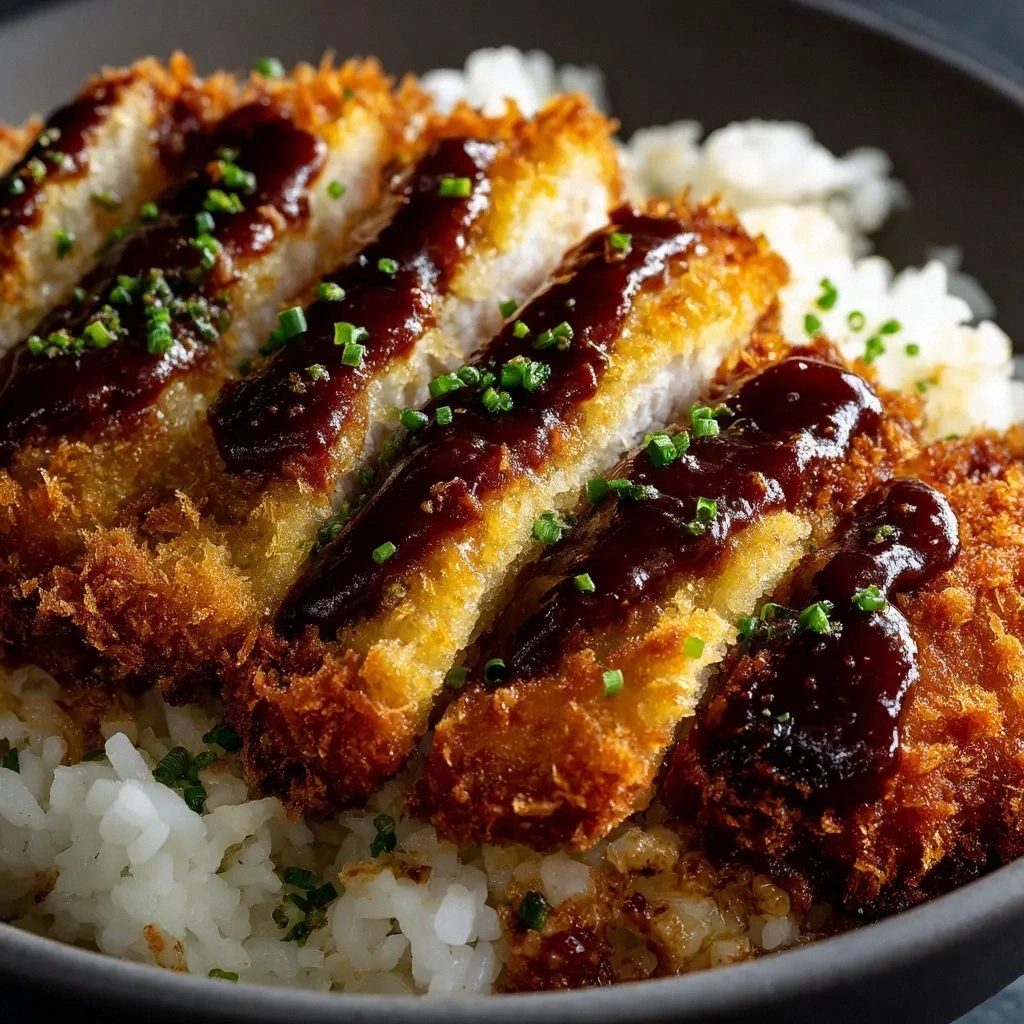
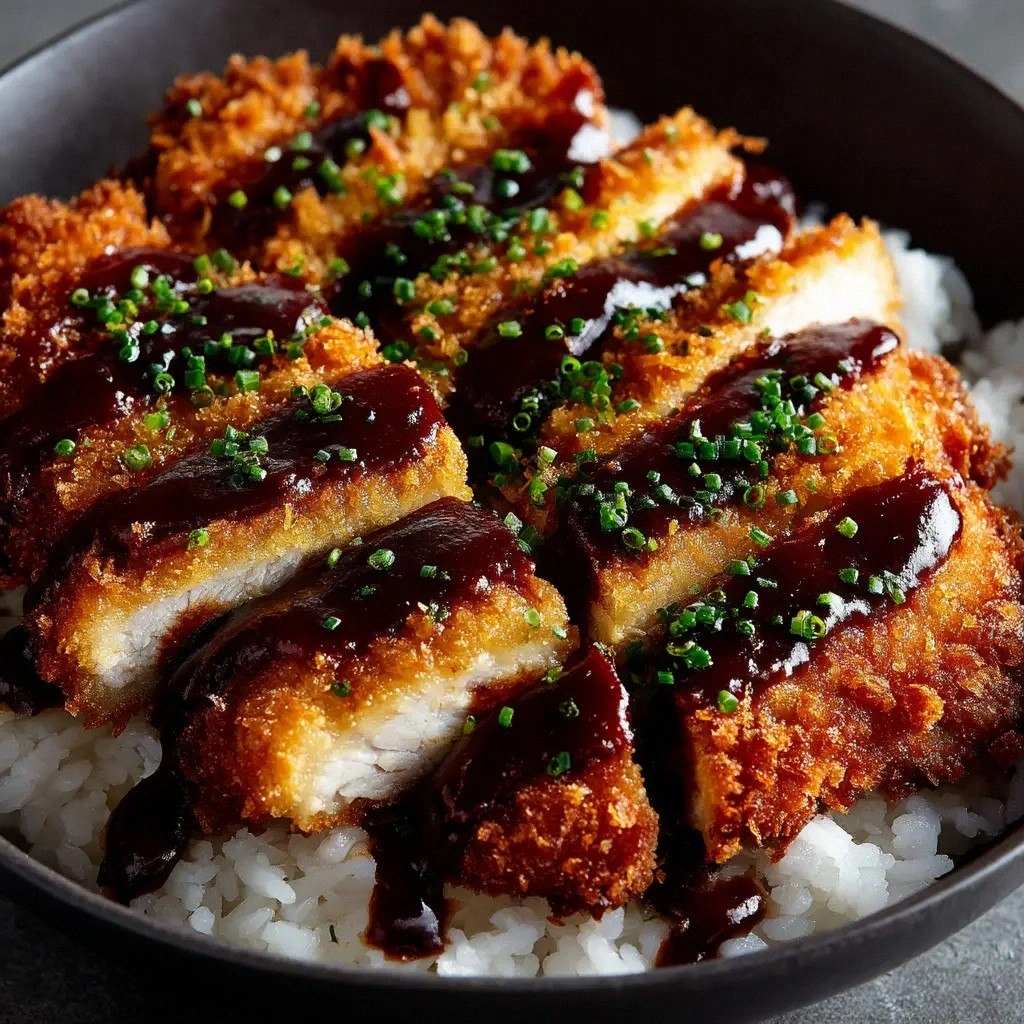
Picture this: a bowl of steaming Japanese short‑grain rice, a crisp, golden pork chop that shatters like thin ice when you bite, and a sauce that coats the grain like velvet. The aroma of toasted panko, the faint hiss of oil, the subtle sweetness of ketchup, and the umami punch of Worcestershire dance together in a sensory orchestra. The crunch is not just a texture; it’s a promise of satisfaction that lingers long after the last bite.
What makes this version the ultimate? It’s the marriage of simplicity and depth. I’ve stripped away the fluff, kept the ingredients honest, and added a twist that elevates the sauce from ordinary to unforgettable. I dare you to taste this and not go back for seconds. Trust me, you’ll be craving the next bowl before you finish the first.
Let me walk you through every single step—by the end, you’ll wonder how you ever made it any other way. From the first whisk to the final drizzle, each moment is engineered to deliver that perfect bite, that harmonious blend of crispy, savory, and sweet. If you’ve ever struggled with achieving that crispness, you’re not alone—and I’ve got the fix.
What Makes This Version Stand Out
- Crunch Factor: The double dredge in flour and panko creates a barrier that locks in moisture while producing a crunch that shatters like thin ice.
- Sauce Synergy: The ketchup–Worcestershire–oyster combo balances sweet, tangy, and umami, coating the rice like velvet.
- Ingredient Integrity: No artificial additives—just fresh pork, real panko, and pantry staples that elevate flavor.
- Time Efficiency: Prep and cook in under an hour, making it a perfect weekday dinner that feels indulgent.
- Make‑Ahead Friendly: The sauce can be pre‑made, the rice cooked in advance, and the pork can be fried and reheated without losing crisp.
- Versatility: Swap pork for chicken, or add a dash of sriracha for heat—this base adapts to your taste.
Alright, let’s break down exactly what goes into this masterpiece…
Inside the Ingredient List
The Flavor Base
The sauce is the heart of this bowl. Ketchup gives a familiar sweetness, while Worcestershire adds depth and a subtle saltiness that wakes up the palate. Oyster sauce—or soy sauce for a more traditional touch—provides umami, and a tablespoon of sugar balances the acidity. If you’re craving a smoky note, a pinch of smoked paprika can be added without altering the core flavor.
Skipping any of these will change the flavor profile drastically. Without ketchup, the sauce loses its sweet backbone; without Worcestershire, the sauce feels flat. The key is to let each component mingle for a minute before cooking, allowing the sugars to caramelize slightly and the acids to mellow.
For a low‑sodium version, replace Worcestershire with a splash of tamari, and use a sugar substitute like erythritol. The sauce will still caramelize, though the sweetness will be less pronounced. Keep the proportions the same to preserve the balance.
The Texture Crew
Panko breadcrumbs are the secret to that airy, flaky crunch. Unlike regular breadcrumbs, panko’s larger crumbs create a light, airy shell that doesn’t become soggy quickly. The flour acts as a binder, ensuring the panko adheres to the meat.
If you don’t have panko, substitute it with regular breadcrumbs and add a teaspoon of cornmeal for crunch. The texture will be slightly denser but still satisfying. For an extra crisp, dust the panko with a pinch of baking powder before frying; it helps the coating lift off the meat for a lighter bite.
The oil is crucial for heat transfer. Vegetable or canola oil with a high smoke point ensures a clean fry. If you prefer a healthier option, use avocado oil, which has a higher smoke point and a mild flavor that won’t overpower the dish.
The Unexpected Star
Cabbage isn’t just a garnish; it adds a subtle crunch and a fresh, peppery bite that balances the richness of the pork. The shredded cabbage’s fibers allow it to wilt just enough while still holding its structure.
If you’re not a fan of cabbage, substitute it with julienned carrots or sliced bell pepper for a sweeter, crunchier profile. The key is to keep the vegetables thin enough to crisp slightly but thick enough to maintain bite.
Another fun twist: add a handful of sliced green onions or a sprinkle of toasted sesame seeds for extra aroma and texture. These additions elevate the bowl from comfort food to a culinary experience.
The Final Flourish
The rice is the canvas. Japanese short‑grain rice has a sticky quality that holds together with the sauce, allowing each spoonful to be a perfect bite. Cook the rice with a touch of sesame oil for extra flavor, and fluff it with a fork before assembling.
If you’re short on time, use pre‑cooked rice or microwaveable rice packs. Just be sure to stir in a splash of water or broth to keep it from drying out. The rice should be warm and slightly moist, not dry.
When plating, start with a bed of rice, add the crispy pork on top, then drizzle the sauce, and finish with cabbage and any optional garnishes. This layering creates a visual feast that matches the flavor complexity.
Everything’s prepped? Good. Let’s get into the real action…
The Method — Step by Step
- Prep the Meat: Pat the pork chops dry with paper towels. Season both sides with salt and black pepper. The drier the surface, the better the coating will adhere, ensuring a crisp exterior.
- Set Up the Dredge Station: Place flour in one shallow dish, beaten eggs in another, and panko in a third. This classic breading method creates a layered coating that seals in juices.
- Double Dredge: Coat each pork chop in flour, tap off excess, dip into eggs, then coat with panko. Shake gently to remove excess crumbs. The double coating is key to that airy crunch.
- Heat the Oil: Pour oil into a heavy skillet to a depth of about 1 inch. Heat to 350°F (175°C). Use a thermometer for accuracy; too hot and the coating burns, too cool and the pork absorbs oil.
- Fry the Pork: Gently lower the chops into the oil. Fry for 3–4 minutes per side or until golden brown and cooked through (internal temp 165°F). Flip only once to preserve the coating.
- Drain and Rest: Place fried chops on a wire rack over paper towels. Let them rest for 2 minutes; this allows the juices to redistribute and the coating to firm up.
- Make the Sauce: In a small saucepan, combine ketchup, Worcestershire, oyster sauce, sugar, and a splash of water. Simmer over low heat for 5 minutes, stirring until the sugar dissolves and the sauce thickens.
- Assemble the Bowl: Spoon cooked rice into bowls. Slice the pork into strips and lay on top. Drizzle the warm sauce generously. Add shredded cabbage, and sprinkle optional garnishes like sesame seeds or green onions.
That’s it — you did it. But hold on, I’ve got a few more tricks that will take this to another level. The sauce can be thickened with a teaspoon of cornstarch slurry if you prefer a glossy finish. Keep the pork warm in a low oven while you finish assembling the rest of the bowls.
Insider Tricks for Flawless Results
The Temperature Rule Nobody Follows
Many cooks fry at a random temperature, but the ideal is 350°F. Use a thermometer; if you’re out of one, test with a small crumb of panko—it should sizzle immediately and turn golden in about 30 seconds.
If the oil is too hot, the coating will burn before the pork cooks through, leaving a bitter taste. If too cool, the pork will soak up oil and become greasy. Keep the temperature steady by adding a bit of oil if it drops below 330°F.
Why Your Nose Knows Best
The aroma of frying panko is a signal that the coating is crisping properly. If you smell a burnt scent, the oil is too hot. If you only hear a faint sizzle, the oil needs more heat. Your nose is a reliable gauge for oil temperature.
The 5-Minute Rest That Changes Everything
After frying, let the pork rest for at least 5 minutes. This allows the juices to redistribute, preventing a dry center. During this time, the coating continues to crisp slightly, giving a more satisfying bite.
Keep It Cool Until Serving
If you’re prepping multiple bowls, keep the pork warm in a low oven (200°F) while you assemble the rest. This prevents the coating from becoming soggy. Cover loosely with foil to keep heat without trapping steam.
Layering the Sauce
Pour the sauce over the pork before adding the rice. The heat from the pork will help melt the sauce into the rice, creating a cohesive flavor. If the sauce is too thick, thin it with a splash of water or broth.
Optional Sweet Heat
If you love a kick, add a tablespoon of sriracha to the sauce. This balances the sweetness and adds depth. A pinch of chili flakes can also give a subtle heat without overpowering.
Creative Twists and Variations
This recipe is a playground. Here are some of my favorite ways to switch things up:
Chicken Katsu Bowl
Swap pork for boneless chicken breasts. The same breading works, but cook for 4–5 minutes per side. The result is lighter but still packed with flavor.
Spicy Sesame Bowl
Add a tablespoon of toasted sesame oil to the sauce, and sprinkle toasted sesame seeds on top. The nutty aroma enhances the umami profile.
Veggie‑Rich Bowl
Replace pork with marinated tofu or tempeh. Use the same breading, but reduce cooking time to 3 minutes per side. It’s a plant‑based option that still delivers that satisfying crunch.
Ginger‑Lemon Twist
Incorporate freshly grated ginger into the sauce and finish with a squeeze of lemon. The zing cuts through the richness and brightens the dish.
Cheese‑Lover’s Edition
Add shredded mozzarella or cheddar to the pork before breading. The cheese melts slightly, creating a gooey center that contrasts with the crisp exterior.
Asian Fusion Bowl
Use a soy‑based sauce instead of ketchup and add a splash of rice vinegar. Top with sliced scallions, pickled daikon, and a drizzle of sriracha for a full Asian flavor profile.
Storing and Bringing It Back to Life
Fridge Storage
Cool the bowls to room temperature, then refrigerate in an airtight container for up to 3 days. The rice may firm up, but the sauce will keep the flavors intact.
Freezer Friendly
Freeze the assembled bowls in freezer‑safe containers for up to 2 weeks. Separate the sauce and pork if you want to keep the crunch. Reheat in the microwave, then finish with a quick sauté to crisp.
Best Reheating Method
To revive the crispness, place the pork on a wire rack over a baking sheet and bake at 400°F for 5 minutes. Then, add the rice and sauce, and microwave for 1 minute to warm through. Finish with a splash of water to steam the rice back to perfection.