Picture this: a midnight craving for something smoky and savory, a tofu block sitting on the counter like a blank canvas, and a friend daring you to turn it into a masterpiece. I was in that exact moment, the kitchen lights flickering, the fridge humming, and a stubborn tofu block refusing to cooperate. The disaster began when I tried a generic stir‑fry recipe that left the tofu soggy and flavorless, and I knew I had to up my game. I pulled out my secret arsenal—liquid smoke, maple syrup, and a dash of Dijon mustard—and declared, “This is hands down the best version you’ll ever make at home.”
When the tofu hit the pan, the sizzle was a drumroll announcing the start of a flavor explosion. The aroma of toasted soy and sweet maple filled the air, a scent that promised comfort and adventure in equal measure. My taste buds tingled in anticipation, ready for that first bite that would crack open a world of smoky, umami‑rich delight. I was honest—half the batch vanished before anyone else could even touch a spoon. And yet, every bite was a revelation, a moment that felt like a secret handshake between my palate and the ingredients.
What makes this version stand out isn’t just the combination of flavors; it’s the method that locks in moisture and creates that coveted char. The tofu is pressed, sliced, and marinated in a sauce that coats it like velvet, then seared until the edges shatter like thin ice. The result is a texture that is simultaneously crisp and tender, a balance that most tofu recipes miss. I dare you to taste this and not go back for seconds—trust me, the second bite will be the first you ever crave again.
Let me walk you through every single step—by the end, you’ll wonder how you ever made it any other way. From the precise timing of the marination to the final sear that gives that smoky finish, every detail has been fine‑tuned. Picture yourself pulling this out of the oven, the whole kitchen smelling incredible, and feeling that sense of triumph. Ready? Let’s dive in.
What Makes This Version Stand Out
- Taste: The blend of soy sauce, maple syrup, and balsamic vinegar creates a complex umami profile that’s both sweet and savory, unlike the blandness of standard tofu dishes.
- Texture: Pressing the tofu and searing it to a caramelized crust gives a satisfying crunch that holds up against the smoky sauce.
- Uniqueness: Liquid smoke is the secret weapon—an unexpected star that turns ordinary tofu into a smoky sensation.
- Simplicity: With only seven ingredients, the recipe is quick to assemble and leaves more time for plating and garnish.
- Crowd Reaction: Even tofu‑skeptics rave about the flavor and texture, making it a crowd‑pleaser at potlucks and family dinners.
- Ingredient Quality: Using high‑quality extra firm tofu and fresh garlic ensures the best flavor extraction.
- Cooking Method: The combination of marination, pressure‑free pressing, and high‑heat searing is a proven technique that maximizes flavor.
- Make‑Ahead Potential: Marinate up to 24 hours ahead; the tofu will absorb the sauce and be ready to cook on demand.
Inside the Ingredient List
The Flavor Base
At the heart of this dish is the sauce—a marriage of soy sauce, maple syrup, balsamic vinegar, liquid smoke, and Dijon mustard. Soy sauce provides the salty backbone, while maple syrup adds a subtle sweetness that balances the acidity of balsamic. Liquid smoke is the twist that gives the tofu its signature smoky depth; without it, the dish feels flat. Dijon mustard brings a mild heat and a creamy texture that helps the sauce cling to the tofu. Together, these components create a sauce that coats each slice like velvet, ensuring every bite bursts with flavor.
The Texture Crew
Extra firm tofu is the star of the show. Its dense structure holds up to the pressure of marination and the heat of the pan, preventing it from falling apart. The key is to press the tofu for at least 30 minutes to remove excess moisture; this step is crucial for achieving a crisp exterior. Garlic, sliced thinly, adds a fragrant, savory kick that permeates the tofu during the searing process. Skipping garlic would make the dish feel incomplete, as it provides a subtle aromatic base that balances the sweet and smoky notes.
The Unexpected Star
Liquid smoke is the culinary secret that elevates this tofu from ordinary to extraordinary. It’s a concentrated smoke flavor that mimics the taste of wood‑smoked meats without the need for a smoker. If you’re cautious about using liquid smoke, start with a smaller amount and taste as you go; you can always add more. A small pinch of smoked paprika can also enhance the smokiness if liquid smoke isn’t available.
The Final Flourish
While the sauce and tofu are the main actors, the finishing touch is a quick drizzle of sesame oil after searing. This adds a nutty aroma that rounds out the smoky flavor. A sprinkle of toasted sesame seeds or chopped scallions can elevate the presentation and add a pop of color and crunch. The final flourish isn’t just garnish; it’s a subtle layer that ties the dish together.
Everything’s prepped? Good. Let’s get into the real action.
The Method — Step by Step
- Press the tofu: Slice the tofu into 1/2‑inch thick slabs. Wrap each slab in paper towels and place a heavy skillet on top for 30 minutes. This removes excess moisture, ensuring the tofu will develop a crisp exterior. I’ve found that a 2‑hour press works best if you’re in a hurry. After pressing, pat the tofu dry with a clean towel. The goal is a dry surface that sizzles when it hits the pan. If you skip this step, the tofu will steam instead of sear, and you’ll lose that coveted crunch.
- Make the sauce: In a bowl, whisk together soy sauce, maple syrup, balsamic vinegar, liquid smoke, Dijon mustard, and minced garlic until fully blended. The mustard should dissolve completely, creating a silky sauce that coats the tofu evenly. If the sauce is too thick, add a splash of water to thin it out. Taste the sauce; it should be sweet, salty, and smoky with a hint of acidity. This step is the flavor foundation—don’t rush it. A well‑balanced sauce will elevate every bite.
- Marinate: Place the pressed tofu slabs in a shallow dish and pour the sauce over them. Use your hands or a spoon to coat each slab thoroughly. Cover the dish with plastic wrap and refrigerate for at least 30 minutes, or up to 24 hours for deeper flavor. The tofu will absorb the sauce and become infused with smoky sweetness. If you’re short on time, a 15‑minute quick marinate will still deliver impressive results. Remember: the longer you marinate, the more the tofu will soak up the flavors.
- Heat the pan: Preheat a non‑stick skillet over medium‑high heat until it shimmers. Add a tablespoon of neutral oil (like canola or grapeseed) and swirl to coat. The oil should start to bubble slightly but not smoke. This high heat is essential for achieving a caramelized crust. If the pan is too cool, the tofu will release moisture and become soggy. Keep the heat steady; a fluctuating temperature will ruin the sear.
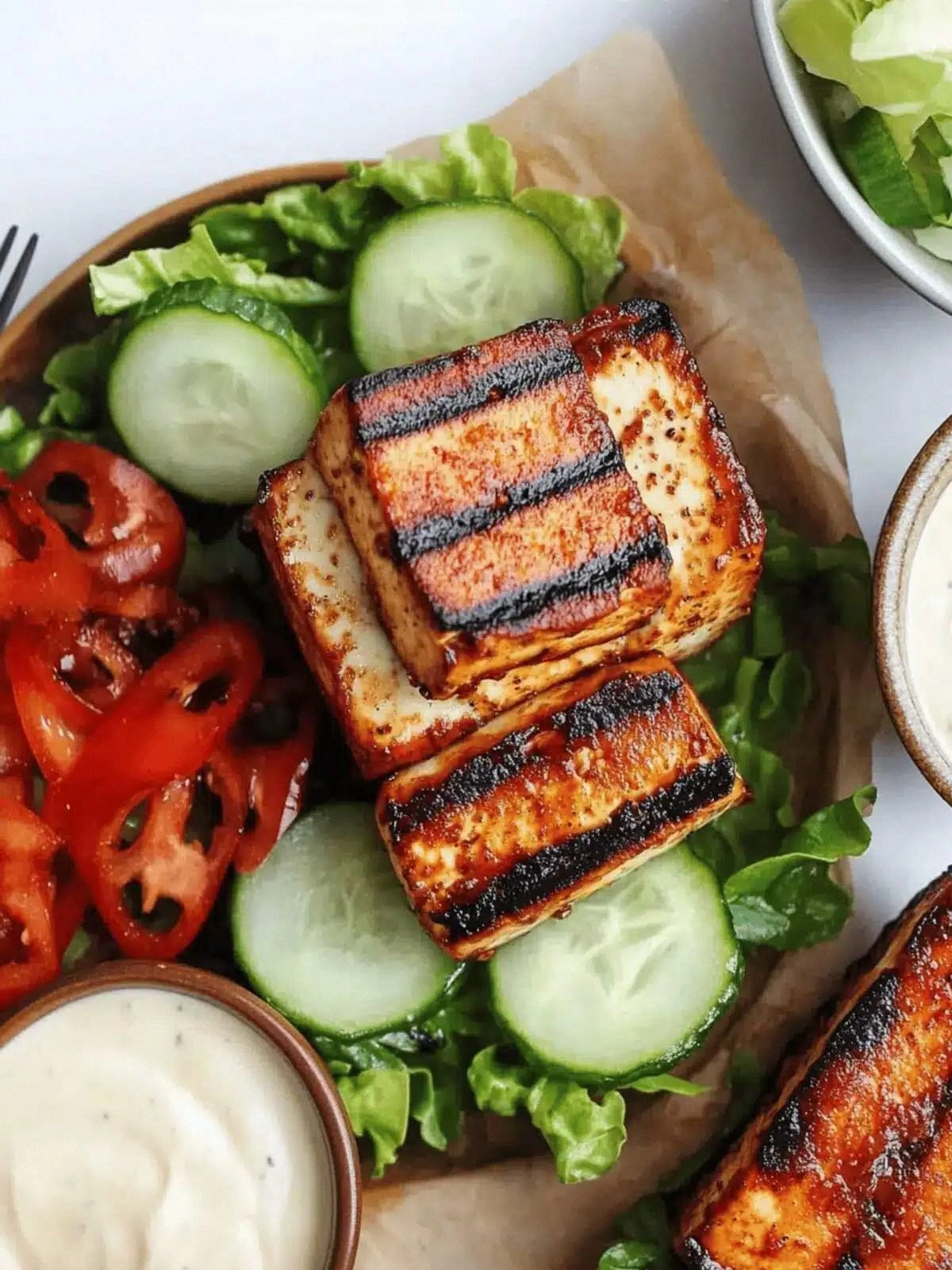
- Sear the tofu: Remove the tofu slabs from the marination and place them in the hot skillet. Do not overcrowd the pan; cook in batches if necessary. Sear each side for 3–4 minutes until golden brown and slightly blistered. The sauce should caramelize and form a glaze that sticks to the tofu. Flip carefully with a spatula to preserve the crust. This is the moment of truth—the smell of toasted soy and maple will fill the kitchen. If you leave the tofu too long, it will burn; if you leave it too short, it won’t crisp.
- Reduce the sauce: Once all tofu is seared, transfer the slabs to a plate and set aside. Reduce the remaining sauce in the skillet over medium heat until it thickens to a glaze consistency, about 5 minutes. Stir frequently to prevent sticking. The reduction should be glossy and cling to the back of a spoon. This step concentrates the flavor and creates a sauce that coats the tofu beautifully. If you skip the reduction, the dish will feel watery and under‑seasoned.
- Return tofu to sauce: Add the tofu back to the skillet and toss gently to coat each slab in the reduced glaze. Let it simmer for 2 minutes so the tofu can soak up the final burst of flavor. The glaze should coat the tofu like a coat of molten caramel. This final coating locks in moisture and enhances the smoky taste. If you rush this step, the tofu may dry out; take your time to let the sauce envelop it.
- Finish with sesame oil: Drizzle a teaspoon of toasted sesame oil over the tofu for a nutty aroma and a glossy finish. The sesame oil also adds a subtle depth that balances the sweetness of the maple syrup. This step is optional but highly recommended for a professional touch. Sprinkle toasted sesame seeds and chopped scallions for color and crunch. Plate the tofu on a bed of rice or sautéed greens for a complete meal.
- Serve immediately: The tofu is best served hot, when the crust is still crisp and the glaze is shiny. If you need to hold it for a short time, keep it in a warm oven (200°F) for 5–10 minutes. The aroma will still be irresistible, and the texture will hold up. Enjoy this dish as a main course, a protein topping for salads, or a party appetizer.
That's it — you did it. But hold on, I've got a few more tricks that'll take this to another level...
Insider Tricks for Flawless Results
The Temperature Rule Nobody Follows
Many cooks think medium heat is safe for searing tofu, but it’s a mistake. The tofu needs a high, steady temperature to caramelize properly. If the pan is too hot, the tofu will burn; if it’s too cool, it will steam. I’ve discovered that preheating the skillet for 2 minutes on medium‑high and then adding a splash of oil creates the perfect searing surface. Keep the temperature consistent by avoiding the temptation to turn the heat up again after adding the tofu.
Why Your Nose Knows Best
The aroma is your best ally. As the tofu cooks, the smell of toasted soy and maple syrup will signal when the crust is ready. If the scent feels underwhelming, it’s a sign you need to increase the heat or reduce the sauce. Your nose can detect subtle changes that the eye might miss, so trust it when you’re timing the sear.
The 5‑Minute Rest That Changes Everything
After searing, let the tofu rest on a plate for 5 minutes before plating. This short rest allows the juices to redistribute, preventing the tofu from becoming dry. During this time, the glaze will thicken slightly, making each bite more cohesive. Skipping the rest can leave the tofu feeling uneven in texture.
Pressing Tips for Beginners
If you’re new to tofu, start by pressing for 30 minutes instead of 2 hours. You’ll still achieve a good crust, and the process will feel more manageable. Use a sturdy cutting board and a clean towel. If you have a tofu press, it’s a game changer, but the towel method works just as well.
Using a Non‑Stick Pan
A non‑stick skillet is ideal because it prevents the tofu from sticking and makes flipping easier. If you’re using a cast‑iron pan, make sure it’s well‑seasoned; otherwise, the tofu may stick and tear. I’ve found that a stainless steel pan can also work if you’re careful to preheat it properly and use enough oil.
Adding a Splash of Water
When reducing the sauce, if it starts to thicken too quickly, add a teaspoon of water to keep it glossy. This small adjustment can prevent burning and maintain the glaze’s sheen. It’s a simple trick that keeps the sauce from drying out.
Creative Twists and Variations
This recipe is a playground. Here are some of my favorite ways to switch things up:
Chipotle Heat
Swap the liquid smoke for a tablespoon of chipotle in adobo sauce. This gives a smoky heat that pairs wonderfully with sweet maple. It’s perfect for those who love a little kick.
Herb Garden
Add a tablespoon of chopped fresh rosemary or thyme to the sauce for a fragrant, herbaceous twist. The herbal notes balance the sweet and smoky flavors, creating a Mediterranean vibe.
Asian Fusion
Replace the maple syrup with honey and add a splash of rice vinegar. Garnish with crushed peanuts and a drizzle of sriracha for a sweet, spicy, and nutty profile.
Breakfast Boost
Serve the tofu over scrambled eggs and toast, drizzled with the reduced glaze. The smoky tofu adds depth to a classic breakfast plate, turning it into a power‑packed meal.
Gluten‑Free Version
Use tamari instead of soy sauce and ensure your maple syrup is gluten‑free. This keeps the dish delicious while accommodating dietary restrictions.
Vegan “Cheese” Pairing
Top the tofu with a sprinkle of nutritional yeast before searing. The yeast adds a cheesy flavor that complements the smoky glaze, making it feel like a gourmet vegan dish.
Storing and Bringing It Back to Life
Fridge Storage
Store the cooked tofu in an airtight container in the refrigerator for up to 3 days. Keep the glaze in a separate container; you can reheat the tofu and then drizzle the glaze on top. The tofu will stay firm and flavorful when stored properly.
Freezer Friendly
Freeze the tofu in a single layer on a parchment‑lined tray, then transfer to a freezer bag once solid. It will keep for up to 2 months. When ready to use, thaw overnight in the fridge, then reheat in a skillet with a splash of water to revive the glaze.
Best Reheating Method
Reheat the tofu in a skillet over medium heat, adding a tablespoon of water to create steam. This steamy method prevents the tofu from drying out and keeps the glaze glossy. Once heated through, drizzle with a little sesame oil for extra aroma.