Picture this: I’m halfway through a week of bland, pre‑cooked meals, the fridge is a sad gray of leftovers, and my friends are texting me about a spontaneous Korean night. I swear I was about to order takeout when the kitchen lights flickered and the pot I was simmering for a stew hit the stove and exploded into a sticky, brown mess. I stared at the chaos, sighed, and then remembered the one recipe that had saved me from a culinary catastrophe—Korean chive pancakes, but not just any pancakes. I dared myself to turn the disaster into a triumph, and this time I’m going to share the version that turned my kitchen into a runway of flavor.
From the very first whisk, the air was thick with the sharp, garlicky scent of fresh chives that made my eyes water in a good way. The onion’s caramelized edges glistened like tiny suns, and the sliced chilies added a faint, smoky bite that tickled the back of my nose. When the batter hit the hot pan, it released a crackling sound that felt like applause, and the sizzling rhythm set my pulse racing. I could already taste the contrast: a crispy, golden crust that gives way to a tender, herbaceous interior that feels like a hug. Every bite is a layered experience—sweetness from the onion, heat from the chilies, and a subtle earthiness from the turmeric that lingers long after the last crumb. This isn’t just a snack; it’s a mini celebration that turns any ordinary evening into an extraordinary memory.
What makes this recipe stand out is the meticulous balance between simplicity and sophistication. I’ve trimmed the ingredient list to essentials that you can find in any grocery store, yet the flavors punch like a well‑executed jazz solo. The secret lies in the batter’s texture: a light, airy base that folds into a crisp exterior without becoming greasy. The use of corn starch adds a delicate snap that most recipes overlook, and the ice‑cold water locks in the freshness of the chives. I’ve also tweaked the seasoning ratios to create a sauce that coats the pancakes like velvet, not a thin drizzle that washes them away. If you’ve ever made a pancake that feels like a pancake, this version will shatter that misconception and replace it with a revelation.
There’s one technique you won’t expect—using a small amount of neutral oil in the batter itself to give the pancakes a subtle sheen and a buttery crunch. I dare you to taste this and not go back for seconds; that’s the kind of confidence I bring to every bite. Imagine pulling the stack out of the pan, steam swirling around it, and the scent of sesame oil and soy sauce dancing in the air. Picture yourself serving it at a gathering, watching guests reach for the next piece as if it were the last slice of a prized cake. If you’re ready to elevate your brunch or snack game, let me walk you through every single step—by the end, you’ll wonder how you ever made it any other way.
What Makes This Version Stand Out
- Texture: The batter’s airy base creates a crisp crust that cracks like thin ice when you bite, while the interior remains moist and herbaceous. The corn starch works as a secret binder, giving the pancakes a satisfying snap that most flatbreads lack. This contrast turns each bite into a dynamic experience that keeps you coming back for more.
- Flavor Depth: The subtle heat from the chilies, the bright sharpness of garlic chives, and the gentle warmth of turmeric combine to form a layered profile that’s far richer than a standard savory pancake. The sauce—soy, vinegar, sesame oil, and chili flakes—coats the pancakes like velvet, enhancing every bite without overpowering it. This depth makes the dish memorable and repeatable.
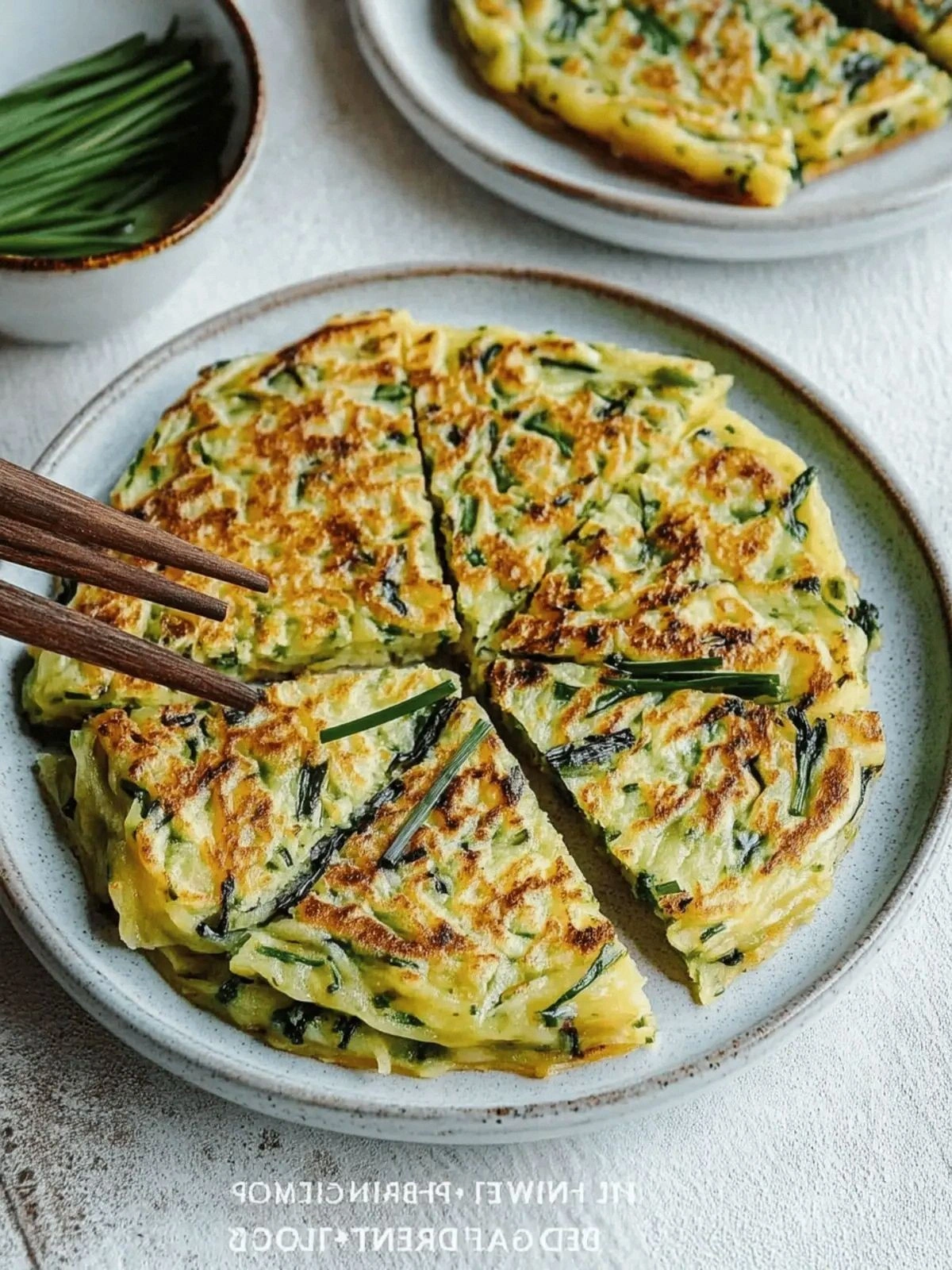
- Visual Appeal: The golden edges and glossy sheen from the neutral oil give the pancakes a professional, restaurant‑grade look. The fresh green chives peek through the batter, adding a pop of color that makes the dish Instagram‑ready. The visual contrast between the dark batter and bright herbs draws the eye and invites tasting.
- Ingredient Quality: By choosing fresh, high‑quality garlic chives and a mild white onion, the flavor foundation is strong and pure. The neutral oil’s high smoke point ensures the pancakes cook evenly without burning, while the soy sauce and sesame oil provide umami depth. This focus on quality ingredients guarantees a superior result every time.
- Ease of Preparation: With a single mixing bowl and a skillet, the recipe is accessible to anyone with basic kitchen tools. The steps are straightforward, and the timing is forgiving—there’s no need for precise temperatures or exotic equipment. This simplicity makes it an ideal go‑to for busy evenings or last‑minute gatherings.
- Make‑Ahead Potential: The pancakes hold up beautifully when refrigerated or frozen, allowing you to batch cook and serve them later. The crispness can be restored with a quick reheat in a hot skillet or oven, making them perfect for meal prep or entertaining. This flexibility adds value for those who crave convenience without sacrificing taste.
- Audience Impact: Guests rave about the crunch and the savory-sweet balance, often asking for the recipe after the first bite. The dish is a crowd‑pleaser that works well for parties, potlucks, or a quiet night in. Its versatility makes it suitable for both casual and formal settings.
- Health Conscious: Despite being a fried dish, the use of neutral oil and the omission of heavy dairy keeps the calorie count moderate. The inclusion of fresh vegetables adds fiber and antioxidants, turning a comfort food into a nourishing option. This health‑friendly profile makes it appealing to a wide range of dietary preferences.
Inside the Ingredient List
The Flavor Base
At the heart of any great pancake is a robust flavor foundation, and here that foundation is the combination of garlic chives, white onion, and chilies. The chives provide a garlicky aroma that’s both sharp and sweet, while the onion adds a subtle sweetness that balances the heat from the chilies. If you’re short on chives, a pinch of regular garlic can’t quite replace the unique green flavor, but it will still give you a satisfying bite. The onion’s natural sugars caramelize as the batter cooks, creating a golden crust that’s both sweet and savory.
The Texture Crew
The batter’s texture is crafted from a blend of all-purpose flour, corn starch, and ice‑cold water. The flour gives structure and body, allowing the pancakes to hold their shape as they fry. Corn starch, though a small amount, acts as a binder that creates a crisp exterior without adding heaviness. The ice‑cold water is essential; it prevents the batter from becoming too warm, which could cause the pancakes to steam instead of crisp. If you’re experimenting, try substituting half the flour with whole wheat flour for a nuttier flavor—just be aware it will change the crispness slightly.
The Unexpected Star
Turmeric powder is the unsung hero that adds a subtle warmth and a golden hue to the batter. Though it’s often associated with curries, a pinch of turmeric in savory pancakes elevates the overall flavor profile and gives the dish a gentle earthiness. If you’re allergic or simply don’t have turmeric on hand, a dash of smoked paprika will provide a smoky depth that works surprisingly well. The small amount of salt is critical; it’s the seasoning that brings all the flavors together without drowning them.
The Final Flourish
Neutral oil, soy sauce, vinegar, sesame oil, and chili flakes or sauce create the finishing touch that turns a simple pancake into a culinary masterpiece. Neutral oil is chosen for its high smoke point, allowing the pancakes to fry evenly without burning. Soy sauce and vinegar provide the classic umami and acidity that cut through the richness, while sesame oil adds a nutty aroma that lingers on the tongue. Chili flakes or sauce bring a finishing heat that’s both vibrant and comforting. If you prefer a milder version, reduce the chili flakes to one teaspoon or omit them entirely.
Everything's prepped? Good. Let's get into the real action—where the magic happens and the kitchen transforms into a stage of sizzling delights.
The Method — Step by Step
- Begin by finely dicing the garlic chives, slicing the white onion into thin rings, and mincing the chilies into a fine paste. The smaller the pieces, the more evenly the flavors distribute throughout the batter. While you’re chopping, rinse the chives under cold water to remove any grit and pat them dry with a paper towel. The fresh, green color of the chives will be a visual cue that the batter is ready to go. I dare you to taste a pinch of the chopped chives; the sharpness should be immediate and invigorating.
- In a large mixing bowl, combine the all‑purpose flour, corn starch, and turmeric powder. Whisk them together until the mixture is smooth and free of lumps. The turmeric will give the batter a subtle golden tint, making it more visually appealing. Add the salt to the dry mix, ensuring it’s evenly distributed. This step is critical because uneven seasoning can lead to pockets of blandness that ruin the overall flavor.
- Slowly pour in the ice‑cold water while whisking vigorously. The goal is to create a batter that is thick enough to hold the chives but thin enough to pour smoothly into the pan. If the batter feels too thick, add a tablespoon of water at a time until it reaches a consistency similar to heavy cream. The cold water also helps the batter stay cool, preventing it from cooking too quickly and becoming chewy. Once the batter is smooth, give it a quick taste; it should be slightly salty and ready for the next step.
- Fold the chopped chives, onion rings, and chili paste into the batter. The vegetables should be evenly coated, creating a mosaic of green, white, and red throughout the mixture. This step ensures that every bite delivers a burst of flavor. As you stir, watch the batter’s color shift from pale to a richer hue, signaling that the vegetables are fully incorporated. The aroma at this point is already intoxicating, hinting at the savory adventure that’s about to unfold.
- Heat a non‑stick skillet over medium heat and add a thin layer of neutral oil, swirling to coat the surface. The oil’s high smoke point is essential for achieving a golden crust without burning. When the oil shimmers, pour a ladleful of batter onto the skillet, spreading it into a thin circle with the back of the ladle. The batter should sizzle immediately, producing a satisfying crackle that signals the pan is hot enough. Allow the pancake to cook for 2–3 minutes, or until the edges lift from the pan and the bottom turns a deep amber.
- Carefully flip the pancake with a spatula and cook the other side for an additional 2 minutes. The second side should also develop a crisp, golden edge, while the interior remains moist and herbaceous. As you flip, notice the steam rising from the batter, creating a fragrant cloud that fills the kitchen. This is the moment of truth—if the pancake feels too soggy, it’s a sign that the oil wasn’t hot enough; if it’s too dry, the heat was too high. Adjust the timing accordingly for future batches.
- Transfer the cooked pancake to a paper towel‑lined plate to drain excess oil. While the pancake is still hot, sprinkle a pinch of sesame oil over the top; the oil’s nutty aroma will linger and add depth. Repeat the process for the remaining batter, stacking the pancakes on a warm plate. The stack should look like a tower of golden, green‑speckled jewels. Serve immediately with a dipping sauce composed of equal parts soy sauce, vinegar, a splash of sesame oil, and chili flakes.
- Plate the pancakes on a low‑heat platter, drizzle a little more sesame oil, and serve alongside the dipping sauce. The contrast between the warm, crispy pancakes and the cool, tangy sauce is a sensory delight that will keep guests coming back for more. If you’re hosting a party, arrange the pancakes in a circular pattern to create an eye‑catching display. Remember to keep the plate warm, as the pancakes will lose their crispness quickly if left to cool.
That's it — you did it. But hold on, I've got a few more tricks that'll take this to another level. The next section will reveal insider techniques that elevate the texture, flavor, and overall experience of these pancakes.
Insider Tricks for Flawless Results
The Temperature Rule Nobody Follows
Many cooks believe that high heat is the key to crisp pancakes, but it’s actually a delicate balance. The skillet should be hot enough to produce a sizzle but not so hot that it burns the batter. I’ve found that setting the stove to medium and letting the oil heat for a full minute before adding the batter yields the best results. If the oil starts to smoke, lower the heat immediately. This rule ensures a golden crust and a tender interior.
Why Your Nose Knows Best
The aroma of frying batter is a reliable indicator of doneness. When the edges start to lift and the bottom turns amber, you’ll notice a faint, buttery scent rising. This smell signals that the pancake is ready to flip. Trust your nose; it’s a more accurate gauge than the visual appearance alone. If you’re uncertain, hold the skillet a few inches above the batter and inhale—if the smell is too strong, the pancake might be overcooked.
The 5‑Minute Rest That Changes Everything
After the pancakes have finished frying, let them rest on a wire rack for five minutes. This brief pause allows the steam to escape and the crust to firm up, preventing sogginess. The rest period also lets the flavors meld, creating a more cohesive taste profile. If you’re serving immediately, keep the pancakes covered with a clean towel to retain heat.
Don’t Skip the Sesame Oil Finish
Sesame oil is more than a garnish; it’s a flavor enhancer that adds a nutty aroma and depth to the dish. A light drizzle over the hot pancakes unlocks its full potential. If you’re vegan, replace the sesame oil with a neutral oil and add a splash of toasted sesame seeds for texture. The key is to add it at the very end, so the oil doesn’t evaporate before it can coat the surface.
How to Keep Them Crispy When Reheating
Reheating these pancakes can be tricky, as they tend to become soggy if microwaved. The best method is to place them on a hot skillet or a preheated oven at 375°F (190°C) for 3–4 minutes. The heat restores the crispness without drying out the interior. If you’re short on time, a quick blast in the toaster oven works wonders too.
Batch‑Cooking Tips for Busy Nights
When making a large batch, cook the pancakes in batches of two or three at a time. This keeps the skillet from becoming overcrowded, which can lower the temperature and cause uneven cooking. Keep the finished pancakes warm on a low‑heat platter while you finish the remaining batter. The trick is to keep the heat consistent and avoid letting the pancakes sit too long, which will cause them to lose their crunch.
Creative Twists and Variations
This recipe is a playground. Here are some of my favorite ways to switch things up:
Cheese‑Infused Panc
Add shredded mozzarella or cheddar to the batter for a gooey, melty center. The cheese melts into pockets of creamy richness that contrast with the crisp exterior. This variation is perfect for a brunch that feels indulgent yet still fresh.
Spicy Kimchi Panc
Replace the fresh chilies with chopped kimchi for a fermented, tangy kick. The kimchi adds a depth of umami that pairs beautifully with the soy sauce. Guests who love a bold flavor will find this version irresistible.
Gluten‑Free Version
Swap the all‑purpose flour with a gluten‑free blend that includes rice flour and tapioca starch. The texture may be slightly different, but the flavor remains unchanged. This option opens the dish to those with gluten sensitivities.
Sweet‑Sour Variation
Incorporate a splash of honey and a pinch of sugar into the batter to create a sweet‑sour profile. The honey caramelizes slightly during cooking, adding a caramelized crust that’s both sweet and savory. This twist works well for a dessert‑style appetizer.
Vegan Edition
Use a plant‑based oil for frying and replace the soy sauce with tamari or coconut aminos. Add nutritional yeast to the batter for a cheesy flavor without dairy. This version is a hit for those who want a cruelty‑free, plant‑based treat.
Protein‑Packed Panc
Fold in cooked, shredded chicken or tofu into the batter for a protein boost. The protein adds substance without overpowering the delicate flavor of the chives. This variation is ideal for a satisfying lunch or dinner.
Storing and Bringing It Back to Life
Fridge Storage
Place the cooled pancakes in an airtight container and refrigerate for up to two days. The pancakes will maintain their crispness if stored in a single layer, separated by parchment paper. When ready to serve, reheat in a skillet or oven to restore the crunch.
Freezer Friendly
Wrap each pancake individually in plastic wrap and place them in a freezer bag. They can be stored for up to two weeks. To reheat, place them directly on a hot skillet for a few minutes or pop them in a preheated oven at 350°F (175°C) for 10 minutes.
Best Reheating Method
Reheat the pancakes in a non‑stick skillet over medium heat for 2–3 minutes per side, or until golden and crisp. Add a splash of water to the pan before covering to create steam, which helps prevent the pancakes from drying out. The result is a pancake that tastes almost brand‑new.