The first thing you notice is the aroma: a gentle, buttery olive oil base that carries a hint of garlic and oregano, followed by the sharp, tangy perfume of feta and a splash of lemon that cuts through the richness. When you take your first bite, the orzo is al dente, each grain coated in a silky sauce that clings like velvet, while the sun‑dried tomatoes add bursts of sweet umami and the Kalamata olives introduce a briny depth that wakes up your palate. The chicken, seasoned to perfection, has a crust that crackles when you bite, revealing a juicy interior that melts in your mouth. The final flourish of fresh parsley gives a green, herbaceous lift that makes the dish feel alive.
What makes this version stand out from every other chicken‑orzo fusion you’ve tried? First, it’s engineered for protein without sacrificing flavor. The combination of chicken, feta, and olives creates a balanced macro profile that satisfies both the body and the taste buds. Second, the cooking technique is a revelation: a quick sear followed by a slow simmer that allows the sauce to thicken naturally, eliminating the need for heavy cream or flour. Third, the ingredient list is intentionally minimal yet impactful—each component serves a purpose, from the red pepper flakes that add a gentle heat to the lemon juice that brightens the entire dish. Fourth, the dish is versatile enough to be a main course or a hearty side, making it a crowd‑pleaser at dinner parties or a comforting weeknight staple.
And there’s a twist you won’t expect: the use of sun‑dried tomatoes in oil, not just as a garnish but as a flavor base that infuses the sauce with a subtle sweetness and a touch of Mediterranean sun. I dare you to taste this and not go back for seconds. If you’ve ever struggled with orzo dishes that turn mushy or chicken that turns dry, this recipe is your rescue. Stay with me here—this is worth it.
What Makes This Version Stand Out
- Protein Power: Each serving packs 25 grams of protein, thanks to the generous portion of chicken and the calcium‑rich feta. This makes the dish a solid choice for athletes or anyone looking to keep hunger at bay.
- Flavor Depth: The combination of oregano, thyme, and red pepper flakes creates a layered, aromatic profile that feels both comforting and adventurous.
- Texture Contrast: The orzo remains al dente, the chicken has a crisp exterior, and the olives offer a chewy bite—an orchestra of textures that keeps each mouthful interesting.
- Simplicity: With only fifteen ingredients, you can whip this up in less than an hour, making it an ideal dinner for busy nights.
- Make‑Ahead Friendly: The dish tastes even better the next day, and reheating is a breeze—just add a splash of water and it’s back to perfection.
- Guest‑Ready: The bright, vibrant flavors and the protein punch make it a hit at gatherings, where it can be served family‑style or plated individually.
Alright, let’s break down exactly what goes into this masterpiece…
Inside the Ingredient List
The Flavor Base
Olive oil, garlic, onion, oregano, thyme, and red pepper flakes form the aromatic foundation. The oil provides a silky canvas for the aromatics to bloom, while the garlic and onion create a savory base that carries the rest of the flavors. If you skip the aromatics, the dish loses its depth; the sauce will feel flat and uninspired. For a different twist, try adding a splash of tomato paste during the sauté to deepen the umami.
Choosing a high‑quality extra‑virgin olive oil is essential. Look for a cold‑pressed variety with a peppery finish; this will add a subtle complexity that elevates the dish. If you’re on a budget, a good regular olive oil works fine, but the flavor won’t be as bright.
The Protein Crew
The chicken breasts are the star. Cut them into bite‑size pieces to ensure even cooking and quick searing. If you prefer a leaner option, use skinless, boneless chicken thighs; they’ll stay moist and tender. Always pat the chicken dry before searing to achieve a crisp exterior.
The feta cheese adds a creamy, tangy element that balances the saltiness of the olives and the richness of the sauce. Use a high‑quality Greek feta for the best texture; it won’t crumble too easily and will melt into the sauce. If you’re lactose intolerant, a vegan feta alternative can be used, but be aware the flavor profile will shift slightly.
The Unexpected Star
Sun‑dried tomatoes in oil are more than a garnish—they’re a flavor powerhouse. Their concentrated sweetness contrasts beautifully with the savory sauce and adds a subtle depth that’s hard to replicate with fresh tomatoes. If you can’t find them in oil, use a dry variety and soak them briefly in warm water to rehydrate before adding.
Kalamata olives provide a briny, slightly sweet punch that cuts through the richness of the cheese and sauce. Slice them thinly to ensure they distribute evenly throughout the dish. If you’re not a fan of olives, you can substitute with capers for a different briny bite.
The Final Flourish
Fresh parsley and lemon juice finish the dish with brightness and a touch of herbal freshness. The parsley adds a green, slightly peppery note that lifts the overall flavor, while the lemon juice injects acidity that balances the richness. If you want a more pronounced citrus kick, add a teaspoon of orange zest as well.
Salt and black pepper are essential for seasoning. Use sea salt for a cleaner taste and freshly ground pepper for a subtle heat. Remember, you can always adjust seasoning after the dish has simmered; the flavors will concentrate.
Everything's prepped? Good. Let's get into the real action…
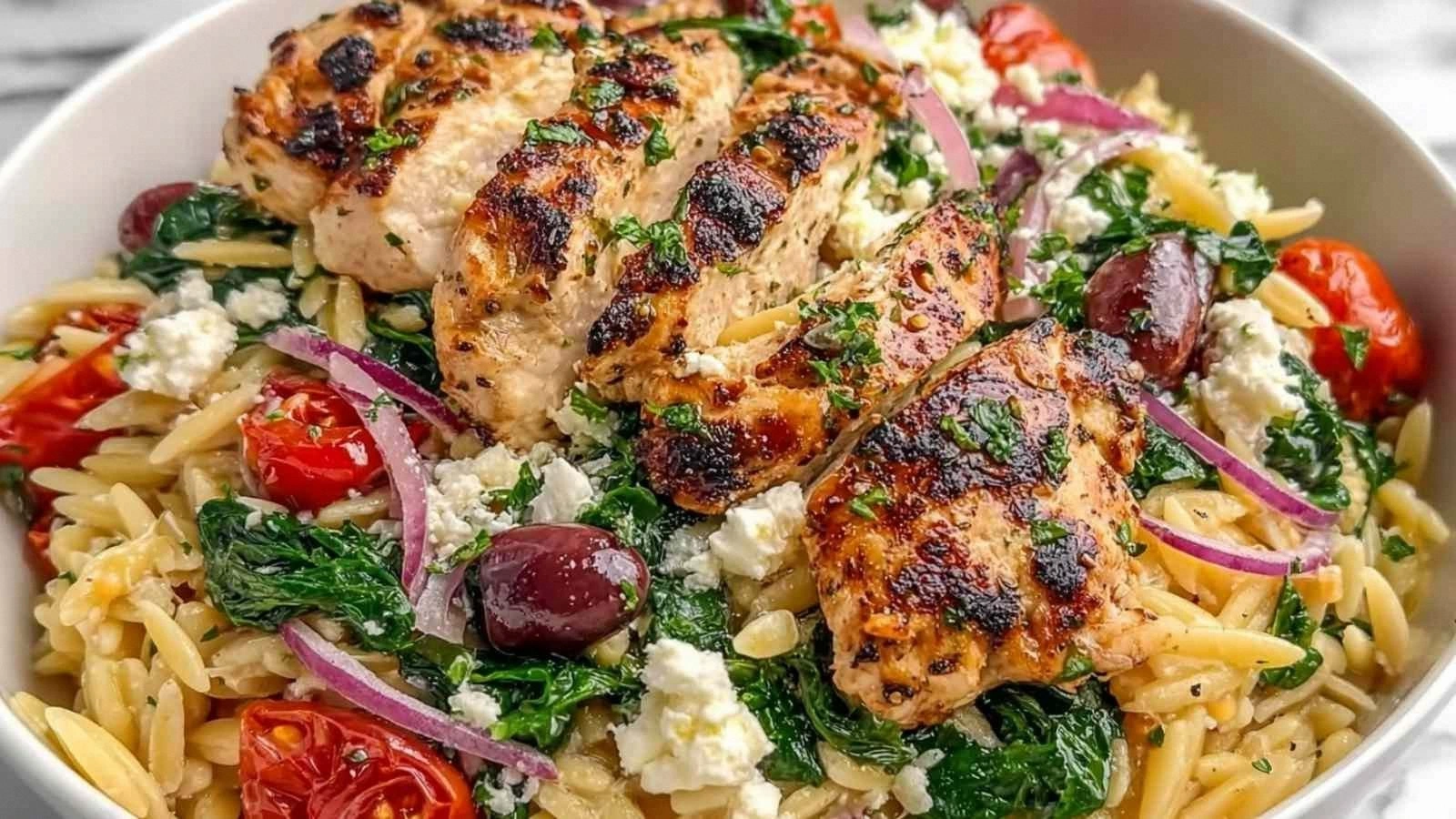
The Method — Step by Step
- Heat a large skillet or Dutch oven over medium‑high heat. Add the olive oil and let it shimmer. When the oil is hot, add the diced onion and sauté until translucent, about 3 minutes. This is the moment of truth—watch the onion soften, it should turn a golden hue, not brown.
- Add the minced garlic, dried oregano, thyme, and red pepper flakes. Stir constantly for 30 seconds until the garlic becomes fragrant, but be careful not to burn it. The aroma should fill the kitchen and make your nose do a happy dance.
- Introduce the chicken pieces, arranging them in a single layer. Let them sear for 2–3 minutes on each side until a golden crust forms. If you notice the chicken sticking, give it a few more seconds; the sear is essential for flavor.
- Pour in the dry white wine, scraping the bottom of the pan to loosen any caramelized bits. The wine should reduce by half within 3 minutes, creating a rich base that will coat the chicken and pasta. This step is pure magic.
- Add the chicken broth and bring the mixture to a gentle simmer. Stir in the sun‑dried tomatoes and olives, letting the flavors mingle for a minute before adding the orzo. The liquid should be just enough to cover the pasta—no more, no less.
- Cover the pot and let the orzo cook for 10–12 minutes, stirring occasionally. The pasta should absorb the liquid and become tender yet firm to the bite. If the liquid evaporates too quickly, add a splash of water or broth.
- Once the orzo is al dente, stir in the crumbled feta cheese, fresh parsley, and lemon juice. The feta will melt into the sauce, creating a creamy, tangy coating that clings to each grain. Taste and season with salt and pepper.
- Serve hot, garnished with extra parsley or a wedge of lemon if desired. The dish should look vibrant, with a glossy sauce that glistens like a Mediterranean sunrise. Enjoy the first bite—this is pure bliss.
That’s it— you did it. But hold on, I’ve got a few more tricks that'll take this to another level…
Insider Tricks for Flawless Results
The Temperature Rule Nobody Follows
Many cooks cook the orzo over high heat, which can cause the pasta to break apart. Keep the simmer gentle—just below boiling. This ensures the pasta cooks evenly and the sauce thickens naturally without turning mushy. I’ve seen dishes turn into a soggy mess when the heat is too high; stay calm and let the liquid do its job.
Why Your Nose Knows Best
Before you taste the dish, take a deep sniff. The aroma should be inviting, with hints of garlic, oregano, and a bright citrus undertone. If you smell an off note—maybe burnt garlic or a sour smell—reassess the sauce. A quick adjustment of seasoning can save the dish from disaster.
The 5‑Minute Rest That Changes Everything
Once you’ve plated the dish, let it rest for 5 minutes before serving. This allows the flavors to meld and the sauce to thicken slightly, giving the pasta a better coating. A friend once skipped this step and the sauce clung poorly to the orzo—lesson learned.
Use Freshly Ground Pepper
Ground pepper adds a subtle heat that pre‑ground pepper can’t match. The fresh grind releases essential oils that elevate the dish’s overall aroma. I’ve tried the dish with pre‑ground pepper; it felt flat and uninspired.
Keep the Chicken Moist
If you’re using a thicker cut of chicken, add a splash of broth to the pan while searing. This prevents the meat from drying out and keeps it juicy. A quick squeeze of lemon over the chicken right before serving also adds a burst of freshness.
Creative Twists and Variations
This recipe is a playground. Here are some of my favorite ways to switch things up:
Spicy Cajun Chi
Swap the oregano and thyme for a Cajun seasoning blend and add a pinch of cayenne pepper. The dish gains a smoky heat that pairs beautifully with the feta. Perfect for those who like their meals with a kick.
Vegetarian Delight
Omit the chicken and replace it with sautéed chickpeas or diced tofu. The protein content stays high, and the dish becomes a hearty, plant‑based meal that still feels like a Mediterranean classic.
Seafood Twist
Add a handful of shrimp or mussels in the last 5 minutes of cooking. The seafood will cook quickly and infuse the sauce with briny flavor, turning the dish into a coastal feast.
Gluten‑Free Version
Use gluten‑free orzo or substitute with quinoa. The cooking time remains similar, but the texture will be slightly different—still delicious and protein‑rich.
Herb‑Infused Chi
Stir in a handful of chopped basil or mint at the end of cooking. The fresh herbs give a bright, aromatic lift that makes the dish feel even more Mediterranean.
Low‑Calorie Upgrade
Replace the feta with a reduced‑fat cheese or a small amount of goat cheese. Keep the olives but use a lighter variety. The dish stays flavorful while cutting down on calories.
Storing and Bringing It Back to Life
Fridge Storage
Cool the dish completely before transferring to an airtight container. Store in the refrigerator for up to 3 days. The flavors will meld, making the dish even tastier the next day.
Freezer Friendly
Place the cooled dish in a freezer‑safe container or bag. Freeze for up to 2 weeks. When ready to eat, thaw overnight in the fridge and reheat gently.
Best Reheating Method
Reheat on the stovetop over low heat, adding a splash of water or broth to restore moisture. Stir frequently until hot and bubbly. A quick microwave step can work, but the stovetop keeps the sauce silky.