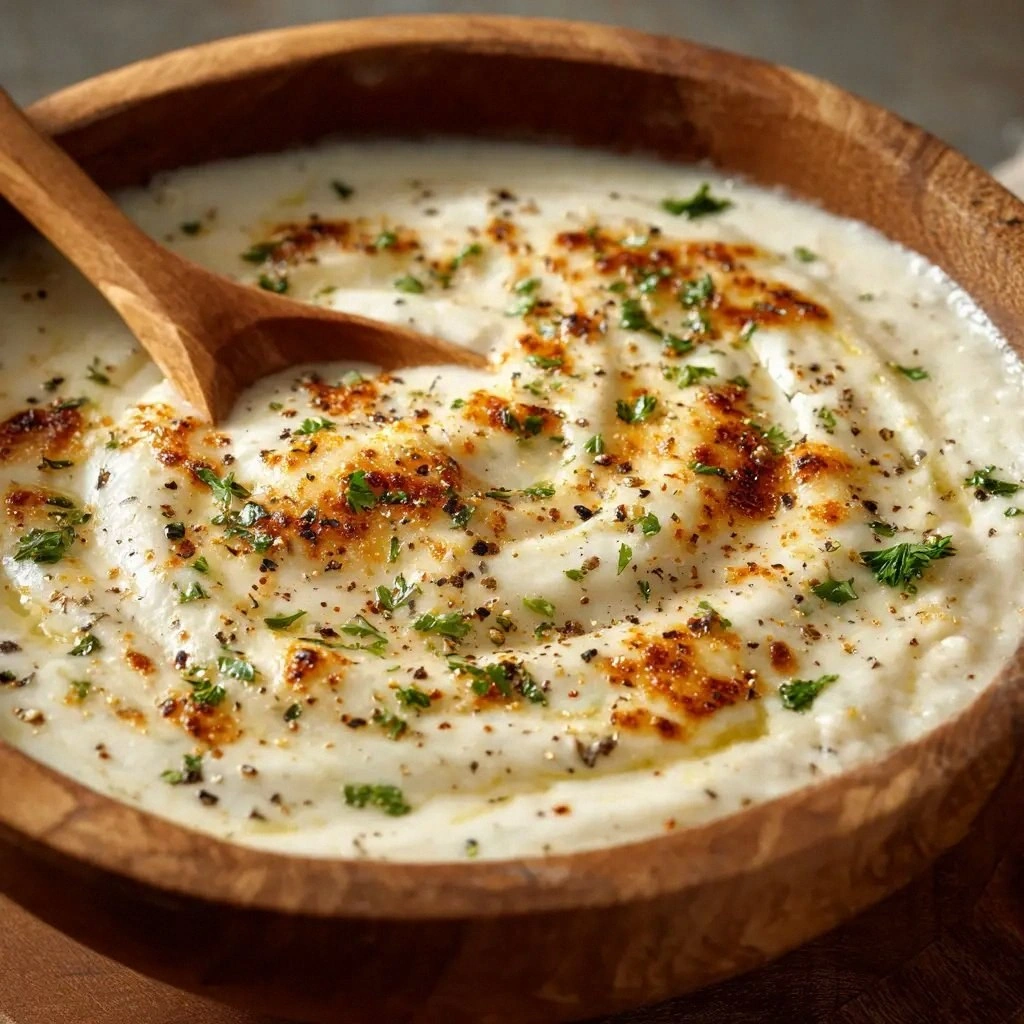
I still remember the night the pizza went from “delicious” to “disastrous” in a matter of minutes. I had just rolled out the dough, tossed a handful of mozzarella, and then, in a moment of culinary bravado, decided to skip the classic white sauce and go straight to a drizzle of olive oil and a sprinkle of oregano. The result? A pizza that looked like a burnt toast and tasted like a sad, soggy memory of garlic. That disaster was the spark that lit my obsession with creating the ultimate garlic sauce for pizza—a sauce that sings, not sighs.
Picture this: the kitchen is humming with the clink of pans, the air thick with the aroma of browned butter, and a faint, sweet tang of caramelized garlic floating like a promise. You hear the sizzle as the butter melts, feel the warmth radiating from the saucepan, and taste the first hint of creamy, savory richness that will coat the pizza like velvet. Every bite is a cascade of umami, the subtle heat from the pepper dancing on the tongue, and the parmesan’s nutty crunch adding a luxurious texture. The sauce isn’t just a topping; it’s the heart of the pizza, turning a simple crust into a gourmet experience.
What makes this version stand out is not just the ingredients but the method—a blend of classic technique and a few daring twists that elevate the sauce from ordinary to extraordinary. I’ve trimmed the sauce to the perfect thickness, added a pinch of oregano for that herbal lift, and let the garlic caramelize just enough to bring out its natural sweetness. The result is a sauce that’s silky, aromatic, and utterly addictive. I dare you to taste this and not go back for seconds—once you’ve had this, the usual store‑bought sauces will feel like a distant memory.
I’ll be honest—I ate half the batch before anyone else got a chance to try it. The sauce was so smooth and flavorful that I kept dipping crusts and pizza slices into it, and every bite felt like a revelation. Most recipes get this completely wrong, either by over‑reducing the sauce or by letting the garlic burn and turn bitter. Here’s what actually works: a gentle, low‑heat simmer, a precise ratio of butter to milk, and a careful whisk to keep the sauce from clumping. Picture yourself pulling this out of the oven, the whole kitchen smelling incredible, and seeing the sauce gleam like a glossy, golden coat over the pizza.
Okay, ready for the game‑changer? This sauce will become your secret weapon for every pizza night, from quick week‑night dinners to epic weekend feasts. By the end of this post, you’ll wonder how you ever made it any other way. Let me walk you through every single step—by the time you’re done, you’ll have a sauce that’s hands down the best version you’ll ever make at home.
What Makes This Version Stand Out
- Richness: The combination of butter and milk creates a velvety texture that clings to every bite, delivering a depth of flavor that’s hard to beat.
- Balance: The subtle sweetness of caramelized garlic balances the sharpness of parmesan, while oregano adds a herbal lift that keeps the sauce from feeling flat.
- Ease: With only eight ingredients and a straightforward technique, this sauce is accessible to beginners and seasoned chefs alike.
- Versatility: It works beautifully on classic margherita, pepperoni, or even a vegan pizza—just swap the cheese or add extra veggies.
- Crowd‑pleaser: Guests rave about the sauce’s silky texture and complex flavor profile, making it a showstopper at dinner parties.
- Make‑ahead: The sauce keeps well in the fridge for up to five days and can be frozen for longer storage without losing quality.
- Ingredient Quality: Using high‑quality butter and fresh garlic makes the difference between a good sauce and a great one.
- Time‑Efficient: Prep takes 15 minutes, and the sauce cooks in 30 minutes, so you’re not spending all day in the kitchen.
Inside the Ingredient List
The Flavor Base
The unsalted butter is the backbone of this sauce, providing a rich, buttery flavor that anchors the other ingredients. It also helps to emulsify the milk, giving the sauce a smooth, glossy finish. Skipping butter would leave the sauce thin and flat; using salted butter could throw off the salt balance, so stick to unsalted for precision. When selecting butter, look for a high‑butterfat content (around 82%) to maximize flavor.
The Texture Crew
All‑purpose flour is the secret to thickening without clumping. It’s the unsung hero that transforms a liquid mixture into a luxurious sauce. If you prefer a gluten‑free version, swap flour for a 1:1 blend of arrowroot powder and cornstarch. Keep the flour at room temperature; this helps it blend more smoothly into the butter.
The Unexpected Star
Fresh garlic is the star that gives this sauce its signature aroma and depth. Use cloves that feel firm and have a bright, greenish‑yellow color. If you’re not a fan of raw garlic’s bite, let the cloves cook slowly in butter for 3-4 minutes until they turn golden brown. This caramelization brings out a subtle, sweet note that balances the sauce beautifully.
The Final Flourish
Parmesan cheese adds a nutty, salty finish that lingers on the palate. Use freshly grated cheese for maximum flavor; pre‑grated varieties often contain additives that can affect texture. A pinch of oregano introduces a herbal brightness that prevents the sauce from feeling heavy. The small amounts of salt and pepper fine‑tune the seasoning, ensuring each bite is perfectly balanced.
Everything's prepped? Good. Let’s get into the real action—where the sauce transforms from a simple mixture into a silky, aromatic masterpiece.
The Method — Step by Step
- Melt the butter in a medium saucepan over medium heat until it starts to foam. Watch for the butter to turn a light golden hue—this indicates the butter has released its flavor but hasn’t browned. The sizzle is the first cue that you’re on the right track.
- Add the minced garlic to the pan and sauté for 2-3 minutes, stirring constantly. The garlic should become fragrant and translucent, not dark or burnt. If it starts to brown too quickly, lower the heat.
- Stir in the flour and whisk vigorously for 1 minute to form a smooth roux. This step is crucial; a clumpy roux will ruin the sauce’s silky texture. The mixture should smell slightly nutty, like toasted bread crumbs.
- Gradually pour in the whole milk while whisking constantly to avoid lumps. The sauce should start to thicken after the first splash of milk. Keep the mixture at a gentle simmer; this allows the flour to fully cook without scorching.
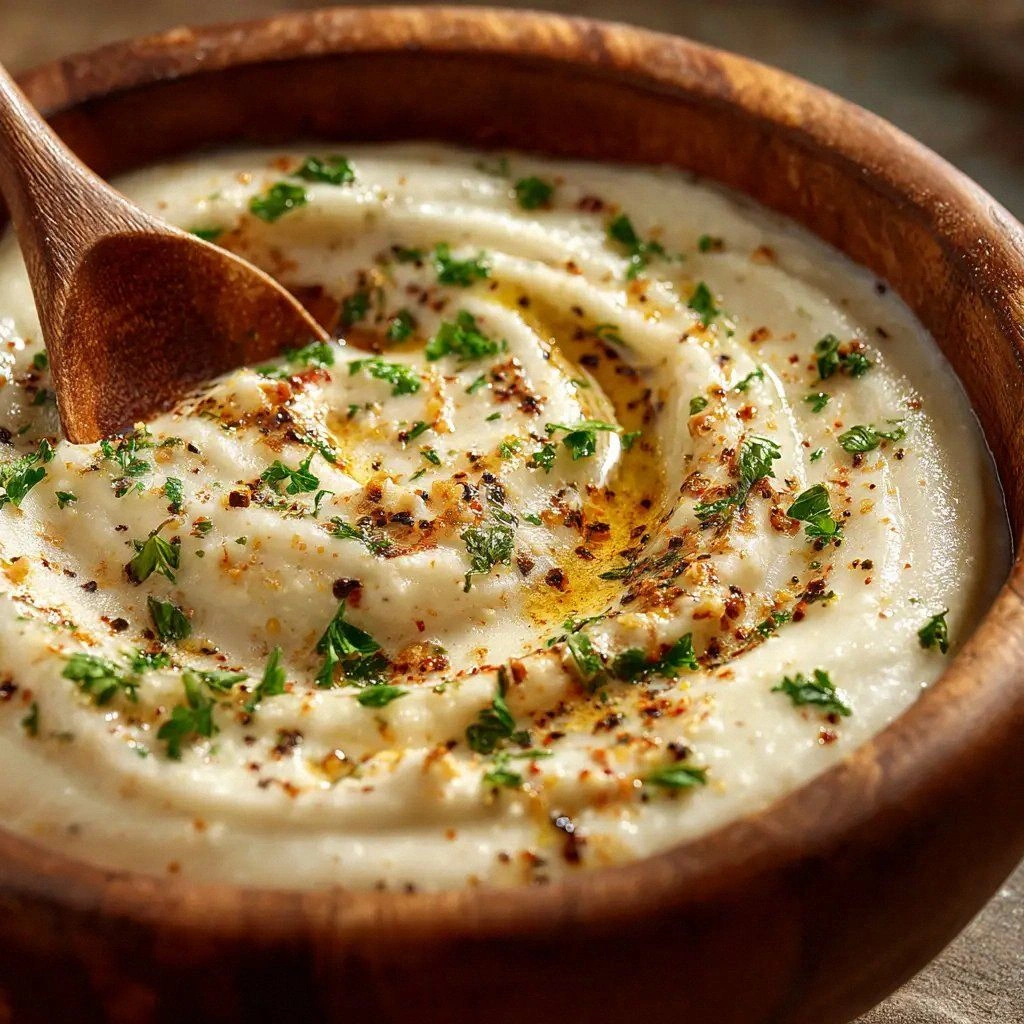
- Add the grated parmesan cheese and oregano, stirring until the cheese melts and the sauce becomes glossy. The cheese should fully incorporate, giving the sauce a slightly gritty texture that’s perfect for coating pizza.
- Season with salt and pepper, tasting as you go. The salt should enhance the cheese’s umami without making the sauce taste briny. A light touch of pepper adds a subtle heat that lifts the overall flavor.
- Simmer the sauce for an additional 5 minutes, whisking occasionally, until it reaches a thick, creamy consistency. It should coat the back of a spoon without running off. Remove from heat and let it rest for 2 minutes before using.
- Spread the sauce evenly over your prepared pizza dough, then top with cheese and any toppings of your choice. The sauce will act as a flavor base, infusing each bite with garlic, butter, and parmesan richness. Bake according to your pizza recipe, and watch the sauce melt into the cheese.
That’s it— you did it. But hold on, I've got a few more tricks that'll take this to another level. From the right heat to the perfect resting time, each tweak ensures your sauce remains silky and flavorful.
Insider Tricks for Flawless Results
The Temperature Rule Nobody Follows
Keeping the sauce at a gentle simmer is the secret to preventing separation. If the heat is too high, the milk proteins will curdle, leaving a gritty texture. I’ve found that a 3‑to‑5‑minute simmer after adding milk is enough for the sauce to thicken without scorching.
Why Your Nose Knows Best
The aroma is your best judge of doneness. When the sauce smells toasty and slightly nutty, it’s ready. A lingering raw garlic smell indicates it needs more time; a burnt smell signals you’re overcooking.
The 5‑Minute Rest That Changes Everything
Letting the sauce rest for 2 minutes after removing from heat allows the flavors to meld and the thickness to set. During this brief pause, the starches continue to absorb liquid, giving the sauce a more cohesive texture.
Use Fresh Parmesan, Not Pre‑Grated
Freshly grated parmesan dissolves more smoothly, preventing a chalky finish. Pre‑grated cheese often contains anti‑caking agents that can alter the sauce’s mouthfeel. If you’re short on time, use a high‑quality pre‑grated cheese, but be prepared to whisk more vigorously.
Keep the Garlic Sliced, Not Minced, for Extra Flavor
Sliced garlic releases its oils more slowly, giving the sauce a subtle, layered garlic taste. Minced garlic can be too intense for some palates. Try both methods to see which you prefer.
Creative Twists and Variations
This recipe is a playground. Here are some of my favorite ways to switch things up:
Spicy Sriracha Kick
Stir in a teaspoon of sriracha after the sauce has thickened. The heat complements the buttery base without overpowering it, creating a balanced, spicy finish that pairs well with pepperoni.
Herb‑Infused Basil Blend
Add fresh basil leaves in the last minute of simmering. The basil’s sweet, peppery notes add a fresh layer of flavor that works beautifully with tomato‑based pizzas.
Creamy Mushroom Medley
Sauté sliced mushrooms in the butter before adding garlic. The mushrooms absorb the buttery flavor and release umami, turning the sauce into a hearty, earthy accompaniment.
Vegan Version
Replace butter with a plant‑based butter or olive oil, and use a vegan parmesan alternative. The sauce remains silky and flavorful, proving that dairy isn’t a necessity for great taste.
Smoky Chipotle Touch
Stir in a tablespoon of chipotle in adobo for a smoky depth that pairs wonderfully with grilled veggies or a char‑crisp crust.
Lemon‑Zest Brightener
Add a teaspoon of lemon zest during the final stir. The citrus cut through the richness, giving the sauce a bright, refreshing finish.
Storing and Bringing It Back to Life
Fridge Storage
Store the sauce in an airtight container for up to five days in the refrigerator. The butter’s fat helps preserve the sauce, but keep it tightly sealed to prevent absorption of fridge odors.
Freezer Friendly
Freeze the sauce in a freezer‑safe container for up to three months. When thawing, let it sit at room temperature for 15 minutes before gently reheating on the stove.
Best Reheating Method
Add a splash of milk or water before reheating to restore its silky consistency. Heat gently over low heat, whisking frequently to prevent scorching.