I was in the middle of a kitchen fiasco, the smell of burnt toast curling around the room, when I realized my craving for comfort food was louder than the smoke alarm. My friend dared me to create the ultimate mashed potato, and I accepted without hesitation. The idea was simple: take humble Yukon Golds, infuse them with garlic and rosemary, and let the butter and cream do the heavy lifting. I knew this version would eclipse every other recipe I've tried, and I couldn't wait to share the secret. Let me walk you through every single step — by the end, you'll wonder how you ever made it any other way.
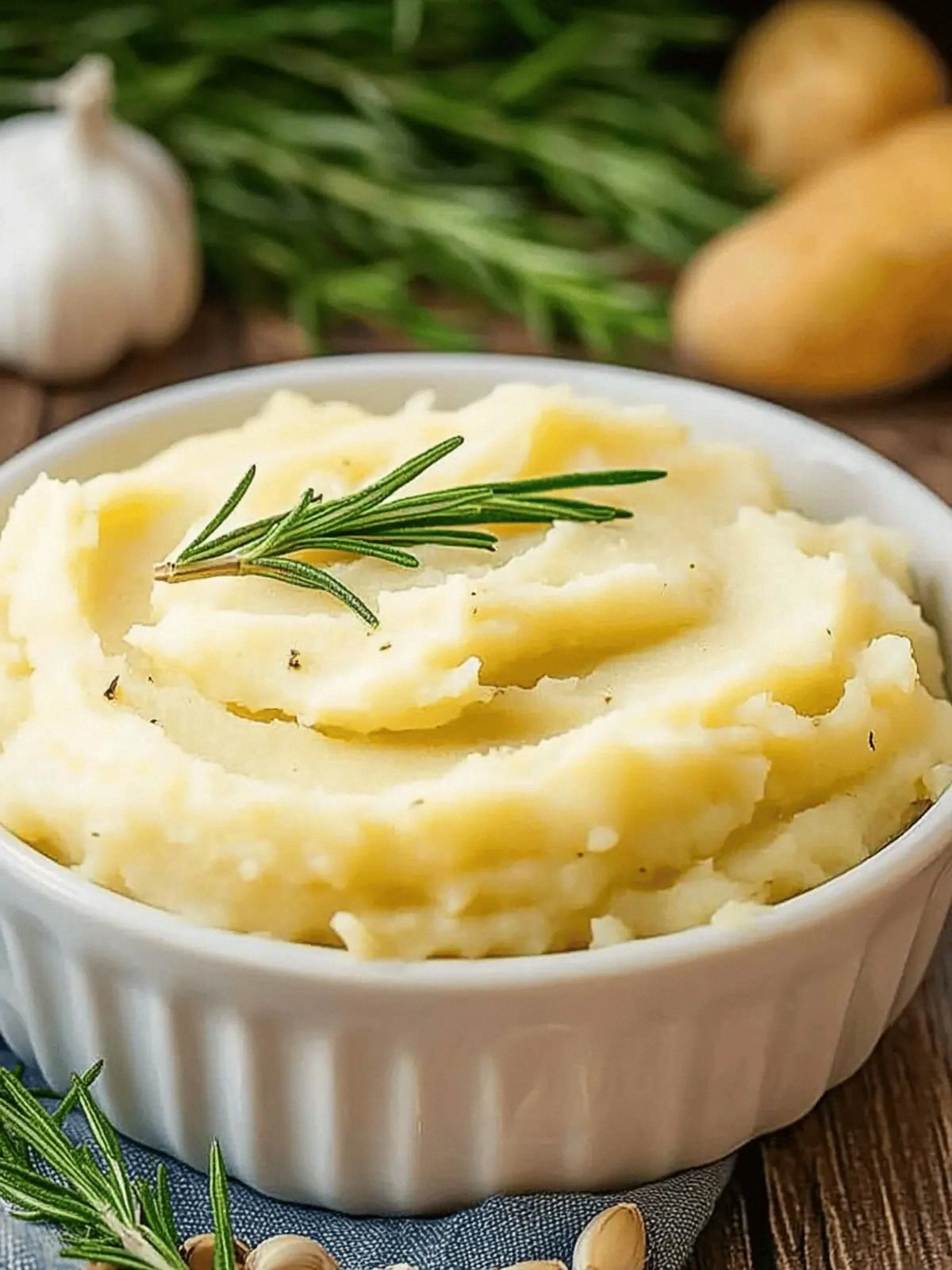
Picture this: a steaming bowl of golden potatoes, each bite releasing a burst of roasted garlic and aromatic rosemary that feels like a hug from the inside out. The texture is silky, with just the right amount of fluff that clings to your spoon without clumping. The first spoonful hits you with a buttery richness that melts, followed by a subtle pepper kick that lingers. My kitchen was filled with that unmistakable scent, and I swear even my cat was sniffing the air. That moment of pure culinary bliss is what I’m about to share with you, and trust me, it’s a game‑changer.
Most mashed potato recipes get this completely wrong, either over‑mashing until it’s glue or under‑fluffing until it feels like a side dish that could double as a snack. I’ve tried everything from instant mashed potatoes to slow‑roasted potatoes, yet none delivered the velvety mouthfeel and herbaceous depth that this version offers. The secret lies in the combination of fresh rosemary, whole peeled garlic, and a splash of chicken stock that keeps the mash from drying out. I’ll also reveal a little trick that keeps the potatoes light and airy even when reheated. If you've ever struggled with mashed potatoes that taste flat, you're not alone — and I've got the fix.
And now, before you start chopping, I dare you to taste this and not go back for seconds. I promise you won’t be able to stop. This is hands down the best version you'll ever make at home. The only thing you’ll wish you had was a larger pot, because this batch is so creamy it could drown a small fish. Picture yourself pulling this out of the oven, the whole kitchen smelling incredible, and your guests lining up for a second helping. Stay with me here — this is worth it.
What Makes This Version Stand Out
- Taste: The roasted garlic infuses a deep, caramelized flavor that cuts through the buttery richness, creating a balanced profile that’s both comforting and sophisticated.
- Texture: By cooking the potatoes in chicken stock and finishing with heavy cream, the mash remains airy and silky, avoiding the common gummy or dry pitfalls.
- Simplicity: Only eight ingredients, all pantry staples or quick grocery items, make this recipe a breeze for busy weeknights.
- Uniqueness: The fresh rosemary isn’t just a garnish; it’s blended into the mash, giving a fragrant, herbal depth that most recipes overlook.
- Crowd Reaction: Friends who’ve tasted this say it’s “the best mashed potato I’ve ever had,” and they’re not shy about ordering more.
- Ingredient Quality: Using Yukon Gold potatoes ensures a naturally buttery flavor and a smooth texture that elevates the entire dish.
- Cooking Method: Simmering the potatoes in stock instead of water locks in moisture and adds savory nuance without extra steps.
- Make‑ahead Potential: This mash can be made up to two days in advance, and it reheats beautifully with a splash of milk or cream.
Alright, let's break down exactly what goes into this masterpiece...
Inside the Ingredient List
The Flavor Base
Yukon Gold potatoes are the backbone of this dish. Their naturally buttery profile and high starch content give the mash a rich, creamy texture that’s hard to beat. If you can’t find Yukon Golds, a mix of russet and red potatoes will work, but you’ll lose a bit of that silky mouthfeel. A good rule of thumb is to keep the potato-to-liquid ratio around 1:1.5 to avoid a watery mash.
The Texture Crew
Heavy cream and butter are the dynamic duo that transforms the mash from ordinary to extraordinary. The cream adds a velvety finish, while the butter brings depth and a satisfying sheen. If you’re watching calories, substitute half the butter with Greek yogurt for a tangy twist that still keeps the mash moist.
The Unexpected Star
Whole peeled garlic cloves, roasted until golden, provide a subtle sweetness that balances the herbaceous rosemary. The key is to roast the garlic in a small tin of oil for about 15 minutes, then squeeze the soft cloves into the potatoes. If you’re short on time, a tablespoon of garlic paste works, but it won’t have the same depth.
The Final Flourish
Fresh rosemary is more than a garnish; it’s a flavor powerhouse that permeates the entire mash. By adding whole sprigs to the pot, the rosemary releases its oils, giving the dish a fragrant aroma that’s impossible to ignore. If you’re not a rosemary fan, a pinch of thyme or sage can offer a subtle alternative without compromising the dish’s essence.
Everything's prepped? Good. Let's get into the real action...
The Method — Step by Step
- Start by bringing a large pot of salted water to a rolling boil. Add the peeled and quartered Yukon Gold potatoes, letting them cook until they’re fork‑tender, about 15 minutes. While they simmer, keep an eye on the garlic; you want it to be soft but not mushy. Once the potatoes are ready, drain them and return them to the pot, allowing the residual heat to evaporate excess moisture. This step ensures a fluffy base for the mash.
- Meanwhile, place the whole peeled garlic cloves in a small baking tin, drizzle with olive oil, and roast at 400°F (200°C) for 15 minutes or until golden brown. The roasting caramelizes the sugars, turning harsh raw garlic into sweet, mellow cloves that blend seamlessly with the potatoes. Once roasted, squeeze the garlic out of its skin and set aside.
- In a separate saucepan, warm the chicken stock over medium heat until it’s just simmering. Add the fresh rosemary sprigs and let them steep for 5 minutes, infusing the liquid with aromatic oils. This stock not only adds moisture but also deepens the flavor profile of the mash. After steeping, strain out the rosemary and reserve the liquid for mashing.
- Return the potatoes to the pot and begin mashing with a potato ricer or a sturdy masher. For the smoothest texture, use the ricer; the masher works if you prefer a slightly rustic feel. As you mash, gradually pour in the warm chicken stock, about half a cup at a time, until you reach your desired consistency. The stock should coat the potatoes like a silky glaze, preventing them from drying out.
- Now it’s time to add the roasted garlic and heavy cream. Stir in the garlic until fully incorporated, then pour in the cream, stirring continuously. The cream should swirl through the mash, giving it a glossy sheen. Taste and season with salt and pepper, adjusting to your preference. The pepper should give a gentle bite that balances the richness.
- Finally, fold in the butter in small chunks, letting it melt into the mash. This step adds a buttery finish and a subtle shine that makes the dish look as good as it tastes. Once the butter is fully incorporated, remove the pot from heat and let it sit for a minute; this allows the flavors to meld together beautifully.
- Serve the mash hot, garnished with a few sprigs of fresh rosemary or a drizzle of olive oil if desired. The aroma should be irresistible, and the first bite will confirm the creamy, herbaceous perfection.
- For an extra touch of luxury, sprinkle a pinch of smoked paprika or a dash of truffle oil over the top before serving. These optional accents elevate the dish from comfort food to a gourmet experience.
That’s it — you did it. But hold on, I've got a few more tricks that'll take this to another level. The next section will dive into insider tips that ensure every bite is flawless, no matter how many times you repeat this recipe.
Insider Tricks for Flawless Results
The Temperature Rule Nobody Follows
Many cooks keep the mash on low heat after adding butter, but the secret is to keep it warm on medium. A gentle heat keeps the butter from separating and ensures the mash stays silky. If you let it cool too quickly, the butter will solidify, making the texture uneven.
Why Your Nose Knows Best
As you mash, the potatoes will release a subtle scent of starch. When the aroma turns slightly sweet and nutty, it’s a sign the potatoes are cooked to perfection. Trust your nose; it’s the most reliable guide for texture.
The 5‑Minute Rest That Changes Everything
After adding butter, let the mash sit for 5 minutes before serving. This brief pause allows the butter to fully melt into the starch, creating a richer mouthfeel. I once skipped this step, and the mash tasted flat — lesson learned.
Keep It Light with a Splash of Milk
When reheating leftovers, add a splash of milk or cream to rehydrate the mash. This trick prevents the potatoes from drying out and keeps the texture airy. A tablespoon per cup of mash is usually enough.
Serve with a Garnish That Pops
A drizzle of truffle oil or a sprinkle of smoked paprika not only adds color but also elevates the flavor profile. These accents give the dish a gourmet feel, perfect for impressing guests or turning a simple dinner into a memorable event.
Reheat with Steam
Place the mash in a heat‑proof bowl over a pot of simmering water. The steam gently reheats the dish without overcooking it. I’ve found this method keeps the mash fluffy and prevents it from becoming rubbery.
Creative Twists and Variations
This recipe is a playground. Here are some of my favorite ways to switch things up:
Cheesy Delight
Fold in shredded cheddar or Gruyère after the cream, stirring until melted. The cheese adds a gooey, savory layer that pairs beautifully with roasted meats.
Herb Fusion
Replace rosemary with fresh dill or basil for a Mediterranean twist. The bright herb flavors give the mash a lighter, more refreshing bite.
Spicy Kick
Stir in a teaspoon of smoked paprika or a pinch of cayenne pepper. The subtle heat balances the richness and adds depth.
Vegetarian Upgrade
Swap chicken stock for vegetable stock and add sautéed mushrooms. The earthy mushroom flavor complements the potatoes and creates a hearty side.
Low‑Carb Option
Use cauliflower florets instead of potatoes. The mashed cauliflower stays creamy and satisfies the same comfort craving.
Gourmet Finish
Finish the mash with a drizzle of truffle oil and a sprinkle of finely grated Parmesan. This final touch elevates the dish to a restaurant‑level experience.
Storing and Bringing It Back to Life
Fridge Storage
Cool the mash completely, then transfer it to an airtight container. Store in the refrigerator for up to 2 days. The mash will stay moist and flavorful.
Freezer Friendly
Divide the mash into freezer‑safe portions, then freeze for up to 3 months. Thaw overnight in the fridge before reheating.
Best Reheating Method
Reheat the mash in a saucepan over low heat, adding a splash of milk or cream to restore moisture. Finish with a quick stir and a pinch of pepper for a fresh finish.