Picture this: the kitchen is a battlefield, flour dusting the air like snow, the timer ticking, and you’re staring at a half‑baked loaf that looks more like a sad lump than a culinary masterpiece. I’ve been there—mixing, whisking, and then realizing the batter is too thick, the blueberries are sinking to the bottom, and the lemon zest is just a whisper of flavor. I dared myself to turn that disaster into something that sings, and the result is a loaf that practically sings back. If you’re tired of the same old blueberry cake that tastes like a grocery store copy, this recipe is the game‑changer you’ve been waiting for.
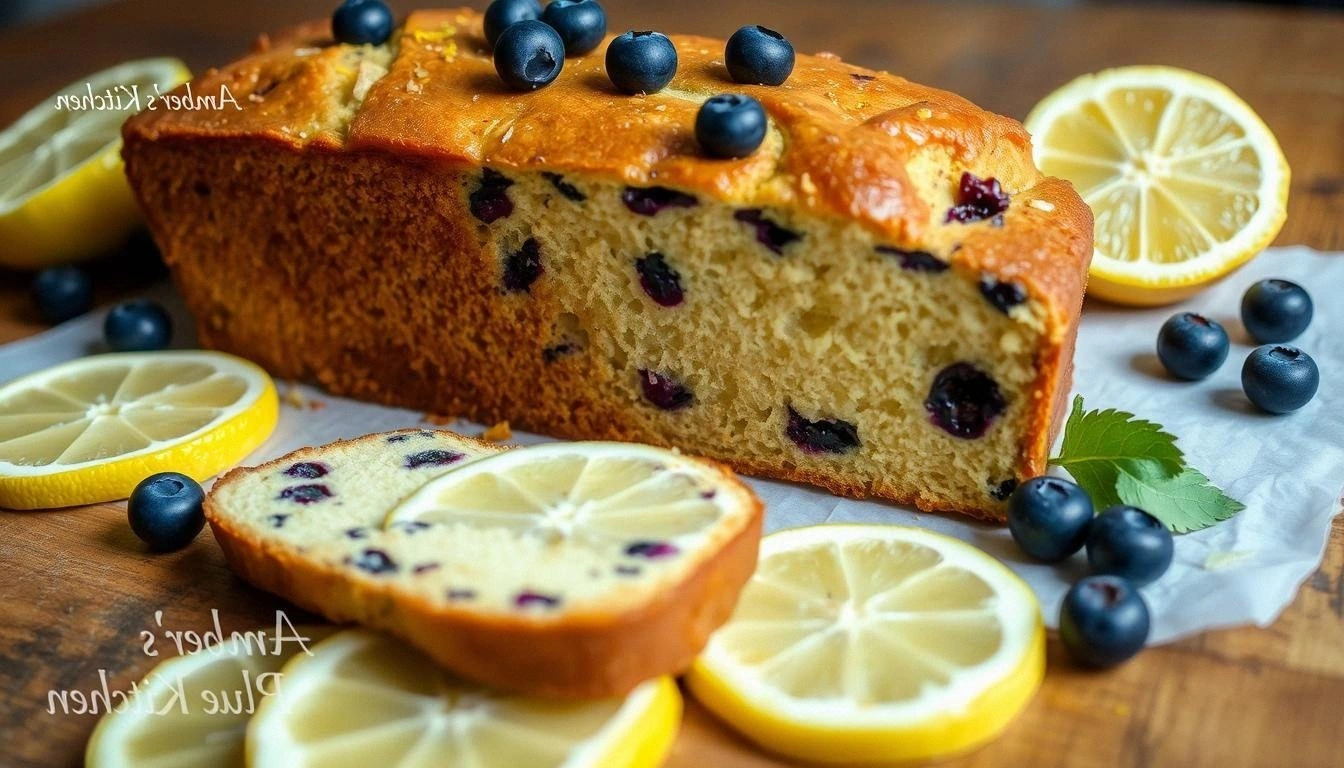
When you first open the oven door, a citrusy aroma floods the kitchen, mingling with the buttery sweetness of fresh blueberries. The sight of the golden crust, speckled with bright jewel‑like berries, makes your mouth water before you even take a bite. The sound of the first slice cutting cleanly through the loaf is a satisfying snap that echoes in your ears like applause. The texture—soft, airy inside, with a slight crisp on the edges—creates a delightful contrast that lingers on the palate. The taste is a perfect balance of tart lemon and sweet blueberry, finished with a subtle hint of vanilla that rounds everything out.
What makes this version stand out isn’t just the flavor profile; it’s the method that preserves the blueberries’ juiciness and the lemon’s bright zing. I’ve spent countless hours tweaking the batter’s consistency, finding the sweet spot where it’s thick enough to hold the berries but light enough to rise like a cloud. The trick is in the pre‑mixing of dry ingredients and the gentle folding of the berries, which keeps them from breaking and releasing all their juice. The result is a loaf that’s moist on the inside, with a caramelized, slightly crisp top that crackles when you bite into it. I dare you to taste this and not go back for seconds.
Most people think a blueberry loaf is just another loaf, but that’s the problem. They ignore the subtle dance between acidity and sweetness, or they let the blueberries drown the batter in moisture. This recipe is hands down the best version you’ll ever make at home because it respects each ingredient’s role and elevates the whole. If you’ve ever struggled with a soggy loaf or a bland lemon flavor, you’re not alone—and I’ve got the fix. Picture yourself pulling this out of the oven, the whole kitchen smelling incredible, and the first bite being a revelation.
Okay, ready for the game‑changer? The next part? Pure magic. Let me walk you through every single step—by the end, you’ll wonder how you ever made it any other way.
What Makes This Version Stand Out
- Flavor: The bright lemon zest and juice cut through the sweetness of the blueberries, creating a harmonious balance that wakes up your taste buds.
- Texture: The batter’s slight density keeps the blueberries intact, preventing them from turning into a jam.
- Ease: All steps can be done in under 30 minutes, so you’re not stuck in the kitchen all day.
- Visual Appeal: The golden crust with glossy berries is Instagram‑ready and impresses at any gathering.
- Versatility: Add walnuts or replace blueberries with raspberries, and the recipe still shines.
- Make‑ahead: The loaf can be baked, cooled, and stored; it even tastes better the next day.
- Ingredient Quality: Fresh lemons and hand‑picked blueberries make the difference between ordinary and unforgettable.
- Cooking Method: A single pan, one bowl, and a whisk—minimal cleanup, maximum flavor.
Alright, let's break down exactly what goes into this masterpiece...
Inside the Ingredient List
The Flavor Base
All-purpose flour is the silent hero of this loaf. It provides the structure that allows the batter to rise without collapsing. If you skip it, the loaf will be flat and dense, lacking that airy feel. For a lighter crumb, you can replace half the flour with cake flour, but keep the ratio of liquid the same to maintain consistency. Freshly ground cinnamon can be added for a subtle warmth, but it’s optional.
The Texture Crew
Sugar, baking powder, baking soda, and salt are the backbone of any baked good. The sugar caramelizes during baking, giving that golden crust and a hint of sweetness that balances the tartness of the lemon. Baking powder and soda work together to create lift; if you omit either, the loaf will be heavy. Salt enhances all flavors and keeps the sweetness from overpowering the lemon. These ingredients are measured precisely because even a small change can throw off the entire batter.
The Unexpected Star
Unsalted butter, melted, adds richness and helps keep the loaf moist. Butter also contributes to the crumb’s tenderness. If you’re on a dairy‑free diet, you can swap in coconut oil, but remember to use the same volume and melt it before adding. The key is that the fat should be warm but not hot, so it blends smoothly into the batter.
The Final Flourish
Lemon zest and juice are the star players that give this loaf its signature brightness. The zest carries the aromatic oils, while the juice adds a sharp acidity that wakes up the other flavors. A pinch of vanilla extract deepens the overall profile, making the loaf feel more complex. Fresh blueberries are the crown jewels—ripe, plump, and bursting with juice. If you use frozen berries, thaw them first and pat them dry to prevent excess moisture.
Everything's prepped? Good. Let's get into the real action...
The Method — Step by Step
- Preheat your oven to 350°F (175°C) and line a 9×5 inch loaf pan with parchment paper or grease it lightly. The parchment ensures a clean release, while the grease adds a subtle buttery flavor. Set a timer for 30 minutes; this is the critical window where the loaf will rise and develop its golden crust. While the oven warms, gather all your ingredients so everything is within arm’s reach. This prep step saves you from frantic searching during the actual baking.
- In a medium bowl, whisk together 2 cups all‑purpose flour, 1 cup white sugar, 1 teaspoon baking powder, 1/2 teaspoon baking soda, and 1/2 teaspoon salt. The dry mix should be smooth, with no clumps. This step is essential because uneven distribution of leavening agents leads to a lumpy crumb. If you prefer a slightly tangy note, add 1/4 teaspoon of cream of tartar. Let this mixture sit for a minute before adding wet ingredients.
- In a separate bowl, combine 1/2 cup melted unsalted butter, 1 cup milk, 2 large eggs, 1 teaspoon vanilla extract, 2 tablespoons fresh lemon zest, and 1/4 cup fresh lemon juice. Whisk until the mixture is silky and the butter has cooled slightly. The eggs bind everything together, while the butter adds moisture and richness. The lemon components infuse the batter with brightness that will carry through the baking process. Pour this wet mixture into the dry ingredients and stir until just combined; over‑mixing can cause gluten development, making the loaf tough.
- Gently fold in 1 cup fresh blueberries, being careful not to break them. The berries should remain mostly intact to provide bursts of juice with each bite. If you’re using frozen berries, make sure they’re thawed and patted dry to avoid excess liquid in the batter. A light fold ensures even distribution without overworking the batter. This step is crucial for the aesthetic appeal—bright blue spots should be visible on the top.
- Pour the batter into the prepared loaf pan, smoothing the top with a spatula. The batter should fill the pan about 3/4 full; if it’s too full, the loaf may overflow during baking. Gently tap the pan on the counter to release any large air bubbles that may have formed. This step ensures a uniform rise and prevents uneven crust formation. The batter’s surface should be even for an even bake.
- Place the loaf in the oven and bake for 30 minutes, or until a toothpick inserted near the center comes out clean. The top should be a deep golden brown, and the edges will pull away from the pan slightly. The batter should look set but still slightly moist on the surface. This is the moment of truth; don’t walk away from the stove here. Keep a close eye on the color—if it starts to brown too fast, tent the loaf with foil.
- Remove the loaf from the oven and let it cool in the pan for 10 minutes. This rest period allows the structure to set, making slicing easier. After 10 minutes, transfer the loaf to a wire rack to cool completely. The cooling process also lets the flavors meld; the lemon will mellow slightly, and the blueberries will release their juices into the crumb. Once cool, slice and serve—this loaf is best enjoyed warm or at room temperature.
- If you’re planning to serve the loaf later, wrap it tightly in plastic wrap and store at room temperature for up to 3 days. For longer storage, place it in an airtight container in the refrigerator; it will stay fresh for up to a week. When you’re ready to reheat, place a slice on a microwave-safe plate and microwave for 20–30 seconds, or warm it in a preheated oven at 300°F (150°C) for 10 minutes. The reheated loaf will regain its moistness and aromatic lemon scent. Enjoy the same delightful experience as the first slice.
That's it — you did it. But hold on, I've got a few more tricks that'll take this to another level...
Insider Tricks for Flawless Results
The Temperature Rule Nobody Follows
Many bakers bake at 375°F, but that’s too hot for a lemon blueberry loaf. The higher temperature can cause the exterior to burn before the interior cooks, leading to a dry crumb. I always set the oven to 350°F, which allows the loaf to rise evenly and develop a golden crust without overcooking. If your oven runs hot, consider placing a baking stone on the middle rack to absorb excess heat. This simple tweak ensures a consistent, professional finish every time.
Why Your Nose Knows Best
As soon as the loaf starts to bake, you’ll notice a sweet, citrusy aroma wafting through the kitchen. That scent is your indicator that the batter is achieving the right balance of caramelization and moisture. If the smell is faint, the batter might be too dry; if it’s overpoweringly sweet, the sugar may be burning. Trust your nose to tell you when the loaf is ready to come out of the oven. It’s a skill that seasoned bakers develop over time.
The 5-Minute Rest That Changes Everything
After you mix the batter, let it rest for exactly five minutes before folding in the blueberries. This short pause allows the flour to hydrate fully, creating a smoother batter that rises better. It also gives the leavening agents time to activate, ensuring a light crumb. I’ve seen loaves that skip this step and end up dense or uneven; the five‑minute rest is a small investment for a big payoff.
Blueberry Placement Matters
When folding in the berries, aim for a gentle swirl that distributes them evenly without crushing. The goal is to keep each blueberry whole so they burst with juice in every bite. If you overmix, the berries will break apart and release all their juice, turning the loaf into a blueberry jam. I use a rubber spatula and a light touch, which preserves the berries’ integrity and enhances the loaf’s texture.
Cool Before Slice
Cutting the loaf too soon will cause it to crumble and lose its shape. Let it cool for at least 15 minutes in the pan before transferring it to a wire rack. The crumb will set, making slicing clean and neat. If you need to serve immediately, use a serrated knife and make gentle, steady cuts. The loaf will hold its shape, and each slice will look as good as it tastes.
Optional: Add a Glaze
For a glossy finish, whisk 1 cup powdered sugar with 2 tablespoons lemon juice until smooth. Drizzle the glaze over the cooled loaf, letting it set before slicing. The glaze adds a sweet, tangy layer that enhances the lemon flavor. It’s optional, but it gives the loaf a professional, bakery‑style appearance. If you’re feeling fancy, sprinkle a few fresh blueberries on top before the glaze sets.
Creative Twists and Variations
This recipe is a playground. Here are some of my favorite ways to switch things up:
Blueberry‑Pistachio Delight
Swap half the blueberries for chopped pistachios; the nuts add a crunchy contrast and a nutty undertone. The pistachios also absorb some of the batter’s moisture, preventing a soggy crumb. This version is perfect for those who love a bit of texture in their desserts.
Raspberry Lemon Surprise
Replace blueberries with fresh raspberries for a slightly tart, ruby‑colored loaf. Raspberries are softer, so fold them in gently to keep their shape. The result is a vibrant, tangy loaf that pairs well with a dollop of whipped cream.
Chocolate‑Chip Banana Bread
For a breakfast twist, add 1 cup mashed ripe bananas and 1 cup chocolate chips. The bananas provide natural sweetness and moisture, while the chocolate chips add a decadent chocolate flavor. This variation is ideal for brunch or a sweet snack.
Almond Flour Lemon Loaf
Use 1.5 cups almond flour and 0.5 cup oat flour for a gluten‑free version. Almond flour adds a nutty flavor and a denser texture, but the batter still rises nicely. This loaf is great for those with gluten sensitivities.
Maple‑Syrup Infusion
Replace the milk with 1 cup maple syrup and reduce sugar by 1/4 cup. The maple syrup adds a subtle caramel flavor that complements the lemon. The result is a warm, comforting loaf that’s perfect for fall mornings.
Spiced Citrus Loaf
Add 1/2 teaspoon ground ginger and a pinch of cinnamon to the dry mix. The spices bring warmth and depth, turning the loaf into a holiday treat. Serve it with a scoop of vanilla ice cream for a festive dessert.
These variations keep the core of the recipe intact while adding new dimensions of flavor and texture. Feel free to experiment and make the loaf your own.
Storing and Bringing It Back to Life
Fridge Storage
Wrap the loaf tightly in plastic wrap and store in the refrigerator for up to 5 days. The cold environment helps preserve the moisture and keeps the loaf fresh. When you’re ready to serve, let it sit at room temperature for 15 minutes to soften slightly.
Freezer Friendly
Slice the loaf before freezing; this makes it easier to grab a single portion later. Place the slices in a freezer‑safe bag and seal tightly. The loaf will stay good for up to 3 months. When you want to eat a slice, thaw it overnight or microwave for 20 seconds.
Best Reheating Method
To restore the loaf’s moisture, add a splash of water to the bottom of a baking dish and place the loaf in the oven at 300°F (150°C) for 10 minutes. The steam will rehydrate the crumb and bring back the fresh lemon aroma. Alternatively, microwave a slice on a paper towel for 15–20 seconds; this method is quick and effective.