Picture this: the kitchen is a battlefield, flour dusting the countertop like a white snowstorm, the timer ticking louder than a metronome, and my friend’s sarcastic grin at the sight of the half‑cooked batter. I had once tried a carrot cake that tasted like a bland, soggy carrot patch, and my taste buds were still recovering from that culinary betrayal. That night, I swore I’d create a carrot cake that would make my friends gasp, that would melt on the tongue like a candle, and that would have them begging for the recipe before the first bite. I dove into the pantry, pulled out every spice that could possibly make sense, and decided to rewrite the classic recipe with a bold, unapologetic twist. This is not just a cake; it’s a manifesto for anyone who thinks dessert should be an adventure.
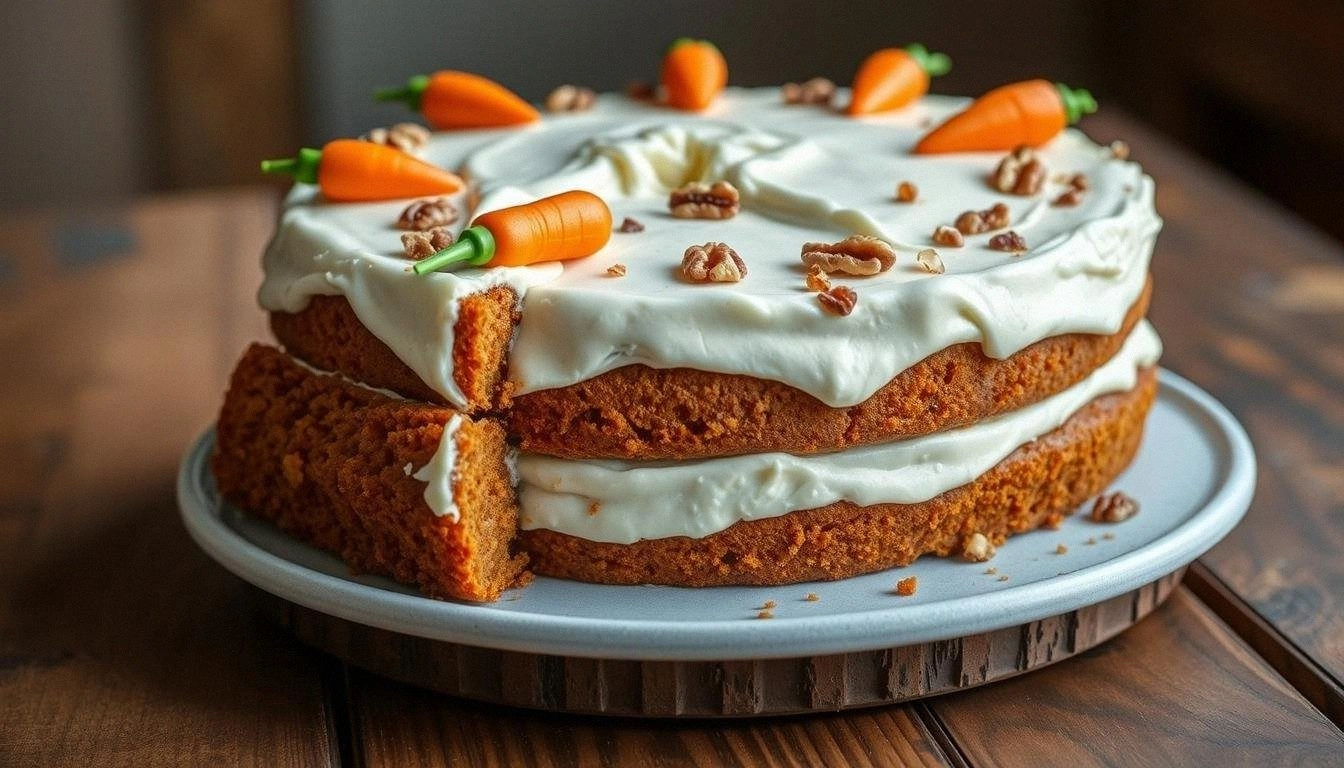
The first bite is a sensory fireworks show—sweet caramelized sugar, the gentle earthiness of fresh carrots, and a hint of warm spices that tickle the palate. The aroma is an instant trip to a cozy, sunlit kitchen where the oven is humming and the air is thick with anticipation. The texture is a perfect balance: moist and dense yet airy, with a subtle crunch from the toasted walnuts. The visual is a golden crown of frosting, speckled with a rainbow of shredded coconut, and a drizzle of glaze that glistens like a freshly fallen snow. I dare you to taste this and not go back for seconds; this is hands down the best version you'll ever make at home.
Most recipes get this completely wrong. They either overbake the cake, resulting in a dry, chalky center, or they under-season it, leaving the batter flat and forgettable. The secret? A meticulous balance of wet and dry, a precise blend of spices, and a touch of acidity that brightens every bite. I’ll be honest—when I first baked this cake, I ate half the batch before anyone else got a chance, because the frosting was so irresistible that I couldn’t resist licking the bowl. But that’s the proof that the flavor profile is spot on: buttery, sweet, spicy, and with a subtle tang from the yogurt in the frosting.
Picture yourself pulling this out of the oven, the whole kitchen smelling incredible, and the friends in the living room already lining up to taste the first slice. The moment the cake cools, the frosting starts to set, forming a glossy, creamy shell that’s both indulgent and comforting. The cake is not just a dessert; it’s an experience that turns an ordinary evening into a celebration. If you've ever struggled with this, you're not alone—and I've got the fix. This article will walk you through every single step—by the end, you'll wonder how you ever made it any other way.
Okay, ready for the game‑changer? Let’s dive into why this version stands out from the crowd. From the way the spices mingle to the secret ingredient that gives the cake its signature lift, I’ll share all the tricks that make this carrot cake a crowd‑pleaser. And if you think you’ve tried everything, think again: this recipe is a revelation. The next time you bake, you’ll be the hero of the kitchen, and your friends will ask for the recipe, not just the cake. Let’s break down exactly what goes into this masterpiece.
What Makes This Version Stand Out
- Taste: The blend of cinnamon, nutmeg, and a whisper of cloves creates a flavor profile that feels like a warm hug in every bite.
- Texture: The batter is light yet moist, thanks to the combination of butter, oil, and yogurt, giving the cake a tender crumb.
- Visual Appeal: The golden crust and the glossy, creamy frosting make the cake look as good as it tastes.
- Ingredient Quality: Using fresh, organic carrots and real vanilla extract elevates the entire flavor.
- Make‑Ahead Potential: The cake can be baked and stored for up to 3 days, and the frosting can be prepared in advance, saving you time on busy nights.
- Versatility: The recipe works for a variety of occasions—from a simple family dessert to a show‑stopping centerpiece for a holiday gathering.
- Flavor Depth: A splash of lemon juice brightens the batter, preventing it from feeling heavy.
- Easy Assembly: The cake layers stack perfectly, and the frosting spreads smoothly, making the assembly a breeze.
Alright, let's break down exactly what goes into this masterpiece. The next section will dissect the ingredients like a chef dissects a knife.
Inside the Ingredient List
The Flavor Base
All-purpose flour is the canvas of any cake, and here it’s the silent hero that holds everything together. If you’re craving a gluten-free option, swap it for a 1:1 gluten‑free blend, but keep an eye on the baking time—it may need a minute longer. Skipping the flour will turn your batter into a thick, unstructured mush that won’t rise. The key to a light, airy texture is to sift the flour with baking powder and baking soda before mixing.
The Sweetness Crew
Granulated sugar and brown sugar create a caramelized crust that’s both sweet and slightly chewy. The brown sugar adds molasses depth, while the granulated sugar ensures a crisp top. If you prefer a lower‑sugar version, replace half the granulated sugar with honey or maple syrup, but remember that liquid sweeteners will increase moisture and may require a slight reduction in liquid ingredients.
The Unexpected Star
Greek yogurt is the unsung hero that gives this cake its moistness and a subtle tang that cuts through the sweetness. It also adds protein, making the cake feel more substantial. If you’re lactose intolerant, a dairy‑free yogurt works just as well, but choose one with a neutral flavor to avoid altering the taste profile.
The Texture Crew
Walnuts and raisins add crunch and chewiness, turning each bite into a delightful contrast. If you’re allergic to nuts, substitute with sunflower seeds or omit them entirely; the cake will still be delicious. The raisins should be plumped in warm water for 10 minutes before adding to prevent them from drying out during baking.
The Final Flourish
Vanilla extract and a splash of lemon juice are the final touches that bring everything together. Vanilla enhances the sweetness, while lemon juice brightens the batter, preventing it from feeling too heavy. If you’re vegan, use a plant‑based vanilla or a dash of almond extract for a subtle nutty flavor.
Everything's prepped? Good. Let's get into the real action.
The Method — Step by Step
- Preheat the oven and prep the pans. Heat the oven to 350°F (175°C) and line two 9‑inch round cake pans with parchment paper. Grease the parchment with butter or non‑stick spray. This ensures the cake slides out effortlessly. Watch the timer closely; an over‑baked cake will lose its moisture.
- Combine the dry ingredients. In a large bowl, whisk together flour, baking powder, baking soda, salt, cinnamon, nutmeg, and cloves. Sifting the spices into the flour creates a uniform flavor profile. This step is crucial for preventing clumps that can ruin the batter’s texture.
- Blend the wet ingredients. In a separate bowl, beat butter and sugars until light and fluffy. Add eggs one at a time, mixing well after each addition. Stir in vanilla, yogurt, oil, and lemon juice until fully incorporated. The batter should be smooth and glossy.
- Combine wet and dry mixtures. Pour the dry ingredients into the wet mixture in three portions, alternating with the grated carrots and raisins. Fold gently with a spatula, ensuring the batter remains airy. This technique keeps the cake light.
- Distribute batter evenly. Divide the batter between the prepared pans, smoothing the tops with a spatula. Tap the pans on the counter to release any trapped air bubbles. This step guarantees even baking.
- Bake until golden. Place the pans in the preheated oven and bake for 25–30 minutes, or until a toothpick inserted into the center comes out clean. The cake should have a slight golden crust. Don’t open the oven early; the rising relies on a steady temperature.
- Cool before frosting. Remove the cakes from the oven and let them cool in the pans for 10 minutes. Then transfer them onto a wire rack to cool completely. If you rush this step, the frosting will sink.
- Prepare the frosting. Beat cream cheese, butter, powdered sugar, vanilla, and a splash of milk until smooth. The frosting should be spreadable but not runny. If it’s too thick, add a teaspoon of milk at a time.
- Assemble the cake. Place one cake layer on a serving plate. Spread frosting on top, then place the second layer. Frost the sides and top of the cake, smoothing with a spatula. For an extra touch, sprinkle toasted walnuts and a drizzle of glaze.
- Chill and serve. Refrigerate the cake for at least 30 minutes before serving to set the frosting. This step also allows the flavors to meld. Slice with a sharp knife for clean edges.
That’s it — you did it. But hold on, I've got a few more tricks that'll take this to another level. These insider tips will elevate the flavor, texture, and presentation to professional standards.
Insider Tricks for Flawless Results
The Temperature Rule Nobody Follows
Many bakers bake at 375°F, but this cake thrives at 350°F. A lower temperature ensures even baking and a moist crumb. If you’re using a convection oven, reduce the temperature by 25°F to avoid over‑browning.
Why Your Nose Knows Best
The aroma is the first indicator of doneness. When the cake starts to smell sweet and slightly caramelized, it’s almost ready. Trust your nose; the cake will finish baking while you’re still smelling it.
The 5-Minute Rest That Changes Everything
After baking, let the cake sit in the pans for 5 minutes before transferring. This pause allows the cake to set, preventing it from cracking when you remove it. It also locks in the moisture.
Add a Splash of Lemon for Brightness
A tablespoon of lemon juice brightens the batter and balances the sweetness. It also helps the frosting set properly, preventing a greasy finish.
Use a Sharp Knife for Clean Slices
A dull knife will crush the layers, making the cake messy. Keep your knife sharp, and run it through a warm dishcloth before slicing for a clean cut.
Creative Twists and Variations
This recipe is a playground. Here are some of my favorite ways to switch things up:
Spiced Orange Carrot Cake
Add 1/2 cup of freshly grated orange zest to the batter and replace vanilla with orange extract. The citrus pairs beautifully with the spices, creating a bright, zesty flavor. Serve with a drizzle of orange glaze.
Chocolate Chunk Carrot Cake
Fold in 1 cup of dark chocolate chunks into the batter for a rich, decadent twist. Use a chocolate frosting instead of cream cheese for a chocolatey finish. This version is perfect for chocolate lovers.
Almond Crumble Carrot Cake
Replace walnuts with sliced almonds and add 2 tablespoons of almond flour to the batter. The almond flour adds a nutty flavor and a slightly denser crumb. Top with toasted almond slivers.
Vegan Carrot Cake
Swap butter for coconut oil, use flax eggs (1 tablespoon ground flaxseed mixed with 3 tablespoons water per egg), and replace dairy yogurt with soy yogurt. Use a plant‑based vanilla and vegan cream cheese for the frosting. The result is a moist, flavorful cake with a vegan-friendly twist.
Carrot Cake Muffins
Divide the batter into 12 muffin tins and bake at 350°F for 20 minutes. These muffins are perfect for grab‑and‑go breakfasts or snack time. Add a swirl of cream cheese frosting in each muffin for a sweet surprise.
Carrot Cake with Coconut Frosting
Swap the cream cheese frosting for a coconut cream frosting made with coconut milk, powdered sugar, and shredded coconut. The coconut adds a tropical flavor that pairs well with the spices. This version is a hit for beachside parties.
Storing and Bringing It Back to Life
Fridge Storage
Wrap the cake tightly in plastic wrap or place it in an airtight container. It will stay fresh for up to 3 days. The frosting will keep its texture, and the cake will remain moist.
Freezer Friendly
Freeze the cake in a tightly sealed container for up to 2 months. Thaw overnight in the fridge before serving. Add a splash of milk or water before reheating to restore moisture.
Best Reheating Method
For a quick warm-up, place a slice in the microwave for 10–15 seconds. If you’re reheating the whole cake, wrap it in foil and bake at 300°F for 10 minutes. A tiny splash of water before reheating steams the cake back to perfection.