
Picture this: the kitchen clock is ticking, your phone buzzes with a text from a friend daring you to whip up something extraordinary, and you’re staring at a pantry that could feel like a culinary battlefield. The moment I opened the pantry and saw the two cans of chickpeas staring back at me, I knew I had stumbled upon the secret ingredient to a dinner that would wow anyone who tasted it. The aroma of sautéed onions and garlic hit me like a warm hug, promising that this dish would be more than just a meal—it would be an experience. I’m not going to sugarcoat it: I was halfway through a batch of bland lentils the night before, and I needed a fix that could turn a regular evening into a celebration. So, grab your apron, because this recipe is going to change the way you think about chickpea curry forever.
What sets this version apart isn’t just the blend of spices—though they’re absolutely on point—it’s the way each element works in harmony to create a sauce that clings to the chickpeas like a velvet blanket. Imagine the subtle heat from the red chili powder dancing with the citrusy zing of lemon juice, all mellowed by the creamy coconut milk that turns every bite into a silky delight. The dish also carries a depth of flavor that comes from toasting cumin seeds and garlic before adding tomatoes, a technique that unlocks a nutty aroma you won’t find in most canned-curry recipes. And let’s not forget the fresh cilantro that finishes the curry, adding a bright, almost citrusy lift that lifts the entire dish. I dare you to taste this and not go back for seconds—once you’ve experienced the richness, there’s no going back to ordinary.
Now, I’ve spent hours tweaking this recipe to find the perfect balance of heat, acidity, and richness. The result? A curry that’s hands down the best version you’ll ever make at home, with a depth of flavor that could easily belong in a high-end restaurant. I’ll be honest—by the time I finished cooking, I had already taken a spoonful and felt like I’d discovered a new favorite. The best part? You can make it in under an hour, and it’s simple enough for a weeknight, yet elegant enough to serve guests who expect something special. Picture yourself pulling this out of the pot, the whole kitchen smelling incredible, and your friends already asking for the recipe.
Okay, ready for the game‑changer? Let me walk you through every single step—by the end, you’ll wonder how you ever made it any other way. From the moment you start sautéing aromatics to the final garnish of cilantro, each step is designed to build layers of flavor without overwhelming your senses. The technique of toasting spices first is a game‑changer, unlocking a depth that can’t be achieved with raw spices. And the use of coconut milk instead of a heavy cream keeps the curry light yet rich, making it a healthier option without sacrificing indulgence. Stay with me here—this is worth it.
What Makes This Version Stand Out
- Flavor: The combination of toasted cumin, coriander, and turmeric creates a complex base that feels both earthy and bright, turning simple chickpeas into a star.
- Texture: The addition of coconut milk gives the sauce a silky mouthfeel, while the chickpeas remain tender yet slightly firm, providing a satisfying bite.
- Heat: The controlled use of red chili powder and a small green chili keeps the dish spicy without overwhelming the palate.
- Freshness: A splash of lemon juice and a handful of cilantro finish the dish with a bright, almost citrusy lift that brightens every bite.
- Convenience: All the ingredients are pantry staples, and the recipe takes less than 45 minutes from prep to plate.
- Make‑ahead potential: The curry stores beautifully, and reheating just brings the flavors back to life.
- Versatility: It pairs perfectly with rice, naan, or a side of roasted vegetables, making it suitable for any meal.
Inside the Ingredient List
The Flavor Base
The foundation of this curry starts with aromatic onions, garlic, and ginger. Each ingredient is finely diced to release maximum flavor. The onion’s natural sweetness balances the acidity of the tomatoes, while the garlic adds depth, and the ginger injects a subtle warmth. If you skip any of these, the sauce will feel flat and underdeveloped. For a subtle twist, try adding a pinch of smoked paprika for a smoky undertone.
The tomatoes provide a juicy, slightly tangy backdrop that carries the spices. Opt for fresh, ripe tomatoes if you’re in season; otherwise, canned crushed tomatoes work wonderfully. The key is to let them cook down until they break apart and blend with the spices, forming a thick, cohesive base. If you prefer a smoother sauce, use a blender to puree the tomatoes before adding them to the pan.
The Texture Crew
Chickpeas are the star of this dish, providing protein, fiber, and a satisfying bite. Use canned chickpeas for convenience, but rinse them to remove excess sodium and any canning liquid. If you prefer a firmer texture, soak and cook dried chickpeas overnight; however, the canned version is the quickest option for busy nights. The chickpeas absorb the sauce’s flavors beautifully, turning each bite into a burst of umami.
Coconut milk or yogurt adds creaminess, balancing the acidity of the tomatoes and the heat of the spices. Coconut milk gives a subtle tropical note that complements the chickpeas, while yogurt offers a tangy twist. If you’re dairy‑free, coconut milk is the natural choice, but you can also use a dairy yogurt for a thicker consistency. A splash of water or broth can help adjust the sauce’s thickness if it becomes too thick during cooking.
The Unexpected Star
A splash of lemon juice at the end of cooking brightens the dish, cutting through the richness of the coconut milk. The acidity also helps to balance the heat from the chili powder. Fresh cilantro leaves are added just before serving, providing a burst of herbal freshness that lifts the entire flavor profile. If you’re not a fan of cilantro, parsley or mint can be used as a substitute, though the flavor profile will shift slightly.
The Final Flourish
The final touch is the sprinkling of garam masala, which adds a fragrant warmth that ties all the spices together. This step should be done at the very end, after the sauce has simmered, to preserve the aromatic oils. A pinch of salt and a dash of pepper finish the seasoning, ensuring that every bite is perfectly balanced. The result is a curry that’s rich, layered, and utterly comforting.
Everything’s prepped? Good. Let’s get into the real action.
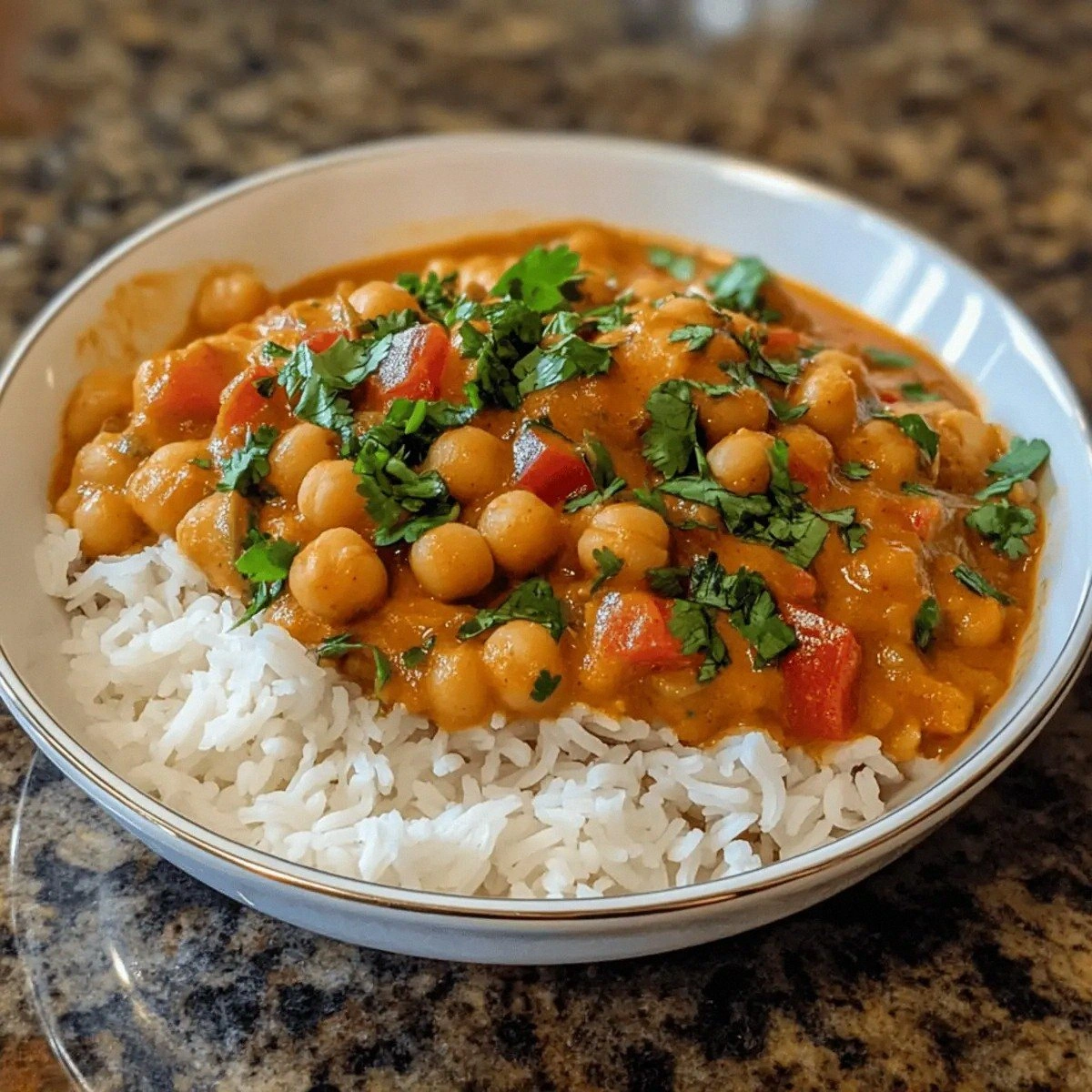
The Method — Step by Step
- Heat a large skillet or Dutch oven over medium heat and add 2 tablespoons of vegetable oil. Once the oil shimmers, add 1 teaspoon of cumin seeds and let them pop for about 30 seconds until fragrant. This simple step releases the essential oils that form the foundation of the curry’s aroma. Watch for any burning; if the seeds brown too quickly, reduce the heat.
- Add the finely diced onion, 3 cloves of minced garlic, and 1 tablespoon of grated ginger to the pan. Sauté for 5–7 minutes until the onion turns translucent and the mixture takes on a golden hue. The garlic should release a sweet, nutty aroma, while the ginger adds a subtle peppery kick. Stir frequently to prevent sticking.
- Stir in 1 teaspoon each of coriander powder, turmeric powder, and garam masala, followed by 1/2 teaspoon of red chili powder. Cook the spices for 2 minutes, letting them toast in the oil. This toasting step is crucial; it deepens the spices’ flavor and eliminates their raw bite. If the mixture starts to smoke, lower the heat slightly.
- Pour in 2 cups of diced tomatoes (fresh or canned) and stir to combine. Let the tomatoes simmer for 10 minutes, allowing them to break down into a thick, flavorful sauce. The tomatoes should reduce and thicken, coating the spices and aromatics. Keep an eye on the pot; if it starts to stick, add a splash of water.
- Add the rinsed chickpeas to the skillet, stirring to coat them in the tomato‑spice mixture. Pour in 1 cup of coconut milk (or yogurt), then bring the mixture to a gentle simmer. The sauce should be silky and thick, yet pourable. Cover the pan and let it simmer for 15 minutes, allowing the chickpeas to absorb the flavors.
- Stir in 1 tablespoon of lemon juice and 1 small diced green chili. The acidity brightens the dish, while the chili adds a subtle heat. Taste the curry and adjust seasoning with salt as needed. This is the moment of truth—your dish should taste balanced and vibrant.
- Remove from heat and sprinkle 1/4 cup of fresh cilantro leaves over the top. Gently fold them in, letting the residual heat wilt the herbs just enough to release their fragrance. The cilantro adds a fresh, herbal note that contrasts beautifully with the richness of the coconut milk.
- Serve hot over steamed rice, quinoa, or with warm naan. Garnish with additional cilantro if desired. Pair with a side of cucumber raita or a simple salad for a complete meal. The dish should feel comforting yet sophisticated, ready to impress even the most discerning palate.
Insider Tricks for Flawless Results
The Temperature Rule Nobody Follows
Most people cook the curry on high heat, but the secret to silky sauce is low and slow. Reduce the heat to medium‑low after adding the coconut milk and let it simmer gently for 15 minutes. This allows the flavors to meld without scorching the milk, which can cause a bitter taste. If you notice the sauce thickening too quickly, add a splash of water to maintain the desired consistency.
Why Your Nose Knows Best
During the initial sauté of cumin seeds, keep an eye on the aroma. The moment they start to crackle, they’re ready. This subtle scent tells you the spices have released their oils, which is when you should add the powdered spices. A delay can result in a flat, unseasoned sauce. Trust your nose; it’s the most reliable indicator of readiness.
The 5-Minute Rest That Changes Everything
After cooking, let the curry rest for 5 minutes before serving. The resting period allows the chickpeas to soak up any remaining sauce, resulting in a richer bite. It also lets the spices settle, giving the dish a more cohesive flavor profile. This step is often overlooked but makes a noticeable difference.
The Power of Fresh Herbs
Add cilantro just before serving to preserve its bright flavor. If you add it too early, the heat can wilt the herbs and reduce their freshness. A handful of fresh basil or mint can also be used for a different aromatic experience. The key is to add herbs at the last minute for maximum impact.
The One-Pot Wonder
Using a single pot for all steps reduces cleanup and concentrates flavors. Transfer the sautéed aromatics directly into the pot with the tomatoes and chickpeas. This method also ensures that the spices are evenly distributed throughout the dish. The result is a cohesive, flavorful curry with minimal fuss.
The Final Touch of Lemon
A squeeze of lemon juice at the end brightens the dish and balances the richness. If you prefer a milder citrus note, use a half teaspoon of lime juice instead. The acidity not only enhances flavor but also helps to preserve the curry’s vibrant color.
Creative Twists and Variations
This recipe is a playground. Here are some of my favorite ways to switch things up:
Spicy Peanut Fusion
Swap coconut milk for a blend of peanut butter and coconut milk, and add a tablespoon of soy sauce for a savory, nutty twist. The peanut butter adds a creamy texture, while the soy sauce provides umami depth. This version pairs well with jasmine rice and a sprinkle of crushed peanuts on top.
Mild Mango Delight
Add 1 cup of diced ripe mango to the curry during the last 5 minutes of cooking. The mango’s sweetness balances the heat and adds a tropical flavor profile. Serve over coconut rice for a dessert‑like main course.
Greek Yogurt Twist
Replace coconut milk with plain Greek yogurt for a tangier, protein‑rich version. Stir the yogurt in off the heat to avoid curdling. This variation works great with a side of roasted vegetables for a Mediterranean feel.
Coconut‑Rice Combo
Cook rice in coconut milk instead of water for a fragrant, buttery base that complements the curry. The coconut rice absorbs the spices, creating a unified dish. Garnish with toasted coconut flakes for extra texture.
Vegan Protein Boost
Add a handful of crumbled tofu or tempeh during the final simmer. The protein will soak up the sauce’s flavors and add a satisfying chew. This version is perfect for a plant‑based dinner.
Saffron Sunset
Stir a pinch of saffron strands into the coconut milk before adding it to the pot. The saffron imparts a golden hue and a subtle floral aroma. This luxurious touch elevates the dish for a special occasion.
Storing and Bringing It Back to Life
Fridge Storage
Cool the curry completely, then transfer it to an airtight container. Store in the refrigerator for up to 4 days. The flavors deepen over time, making leftovers even more delicious. When ready to eat, reheat gently on the stove or in the microwave.
Freezer Friendly
The curry freezes well in portioned containers for up to 3 months. Make sure to leave a little space at the top for expansion. Thaw overnight in the refrigerator before reheating. This method is perfect for meal prep or busy days.
Best Reheating Method
Reheat the curry over low heat, adding a splash of water or broth to loosen the sauce. Stir frequently until it reaches a gentle simmer. For microwave reheating, cover the container with a damp paper towel to keep moisture in. The trick is to warm it slowly to preserve the sauce’s silky texture.