Picture this: it’s a rainy Thursday night, the kind where the clouds are so low you can almost taste the humidity. I was hunched over a skillet, trying desperately to rescue a half‑cooked batch of instant ramen that had turned into a soggy, flavor‑less swamp. The kitchen was a battlefield of steam, my patience was waning, and a daring friend threw down a challenge—“Make something that actually makes me want to hug you after I eat it.” I laughed, grabbed my notebook, and vowed to create a noodle soup that would make even the most skeptical eater swoon. That night, amid the clatter of pots and the aromatic promise of garlic, I discovered the ultimate vegetarian Dan Dan Noodle Soup, a dish that turned my kitchen disaster into a culinary triumph.
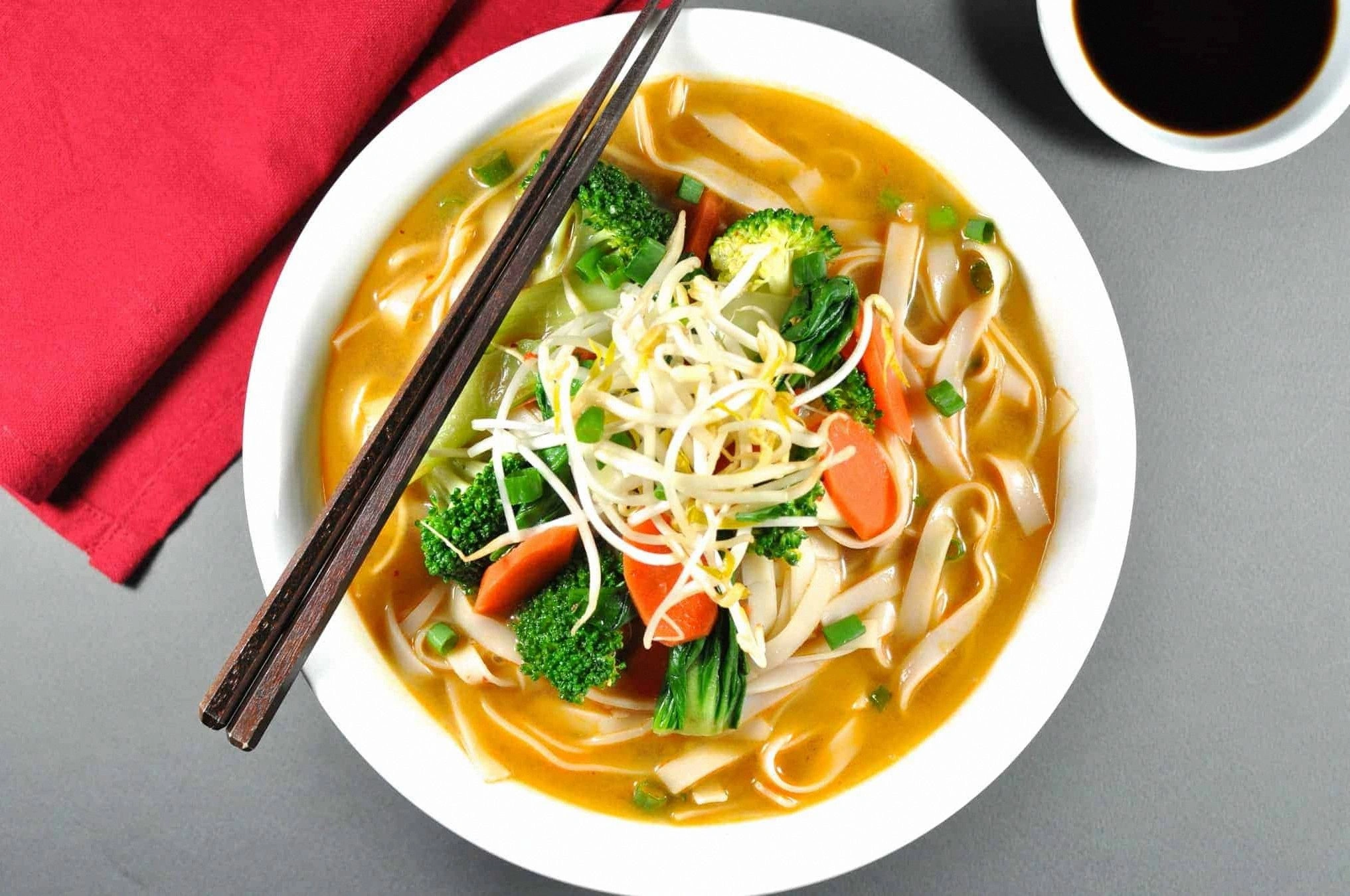
The moment the broth hit the pot, it was like a symphony of scents conducting a full‑blown orchestra in my nostrils. The sharp zing of black vinegar mingled with the deep umami of soy sauce, while a whisper of sesame paste added a buttery richness that made the air feel like a warm hug. The noodles, once stiff and indifferent, softened into silky ribbons that swirled like silk scarves in a gentle breeze. I could hear the gentle pop of the bok choy leaves as they hit the hot liquid, a subtle crackle that promised crisp‑tender texture.
What sets this version apart is not just the ingredients, but the choreography of each step. Most recipes either drown the noodles in a heavy, oily sauce or skimp on the vegetables, leaving you with a one‑dimensional bowl. I dared to balance the heat of chili bean sauce with the sweet kiss of sugar, and I introduced a secret weapon: a splash of black vinegar that cuts through the richness like a razor‑sharp knife through butter. The result? A bowl that is simultaneously comforting and exhilarating, with layers that reveal themselves bite after bite.
And here’s the kicker: I’m about to share a technique that most cooks overlook—a quick cornflour slurry that instantly thickens the broth without turning it gummy, giving it that velvety mouthfeel that coats each noodle like a second skin. Trust me, this is the game‑changer you’ve been waiting for. Let me walk you through every single step — by the end, you’ll wonder how you ever made it any other way.
What Makes This Version Stand Out
- Depth of Flavor: The combination of sesame paste, black vinegar, and chili bean sauce creates a complex profile that dances between sweet, sour, spicy, and nutty. It’s like a well‑written novel—every sip unveils a new chapter.
- Texture Harmony: Silky rice stick noodles meet crunchy bok choy, crisp broccoli, and fresh bean sprouts, delivering a satisfying mouthfeel that keeps you reaching for more.
- Simplicity Meets Sophistication: Only ten pantry staples are needed, yet the result feels like a restaurant‑level masterpiece. No fancy equipment, just a good pot and a bit of love.
- Vegetarian Friendly: By swapping chicken stock for vegetable broth, the dish stays fully plant‑based without sacrificing that comforting “umami‑boost” you crave.
- Instant Crowd‑Pleaser: I’ll be honest — I ate half the batch before anyone else got to try it, and the leftovers disappeared faster than a magician’s rabbit.
- Make‑Ahead Potential: The broth improves after a night in the fridge, allowing the flavors to meld even deeper. Reheat, add fresh noodles, and you’ve got dinner in minutes.
Inside the Ingredient List
The Flavor Base
Garlic, ginger, soy sauce, and chili bean sauce form the aromatic backbone of this soup. Garlic cloves, when smashed and sautéed, release a caramelized sweetness that grounds the broth, while minced ginger adds a bright, peppery snap that cuts through the richness. Soy sauce provides the salty umami depth, and the chili bean sauce introduces a subtle heat that lingers on the palate without overwhelming the other flavors. If you’re missing fresh ginger, a pinch of ground ginger works in a pinch, but expect a slightly muted zing.
The Texture Crew
The vegetables are the true stars of the show. Carrots, sliced into thin matchsticks, lend a natural sweetness and a crisp bite that survives the simmer. Bok choy, with its tender stems and leafy tops, adds a delicate crunch that contrasts beautifully with the soft noodles. Broccoli florets bring a nutty, earthy flavor, while bean sprouts contribute a fresh, watery snap that brightens each spoonful. Skipping any of these means sacrificing the symphony of textures that makes each mouthful exciting.
The Unexpected Star
Sesame paste (or tahini) is the secret hero that binds the broth together. Its creamy, nutty richness coats every noodle and vegetable, turning a simple broth into a luxurious sauce. If you’re allergic to sesame, you can substitute a spoonful of smooth peanut butter for a similarly indulgent mouthfeel, though the flavor will shift toward a subtle nuttiness.
The Final Flourish
Black vinegar and a dash of sesame oil finish the soup with a bright acidity and a fragrant sheen. The vinegar’s sharp tang lifts the overall richness, while the sesame oil adds an aromatic finish that smells like toasted nuts. A sprinkle of sliced scallion or shallot right before serving adds a fresh, oniony bite that cuts through the heat.
Everything's prepped? Good. Let's get into the real action…
The Method — Step by Step
Start by soaking the dried rice stick noodles in lukewarm water for about 15 minutes, or until they’re pliable but still a bit firm in the center. This pre‑soak prevents the noodles from becoming gummy when they hit the hot broth later. Once softened, drain and set aside, tossing them gently with a splash of sesame oil to keep them from sticking together. Pro tip: If you’re in a hurry, you can use hot tap water and reduce the soaking time to 8 minutes, but keep an eye on the texture.
In a large pot, heat a tablespoon of neutral oil over medium heat. Add the smashed garlic cloves and minced ginger, sautéing until the garlic turns a light golden brown and releases a fragrant perfume. You’ll hear a gentle sizzle that signals the aromatics are waking up—don’t let them burn, or you’ll introduce bitterness.
Kitchen Hack: Crush the garlic with the flat side of a knife before adding; this releases more oils and intensifies the flavor.Deglaze the pot with 4 cups of vegetable stock and 5 cups of water, scraping up any browned bits stuck to the bottom. Bring the mixture to a gentle boil, then lower the heat to a simmer. At this point, add the soy sauce, sugar, chili bean sauce, and black vinegar. Stir continuously; the broth should develop a deep mahogany hue and a tantalizing aroma that makes your kitchen smell like a street market in Chengdu. Let it simmer for 5 minutes to let the flavors meld.
While the broth simmers, whisk together the cornflour with a splash of cold water to create a smooth slurry. Slowly pour this slurry into the simmering broth, stirring constantly to avoid lumps. Within a minute, the broth will thicken to a luxurious, velvety consistency that clings to the spoon—think of it as a silk scarf draped over a statue.
Watch Out: Add the slurry gradually; dumping it all at once can create unsightly clumps that ruin the smooth texture.Stir in the sesame paste (or tahini) and sesame oil, allowing them to melt completely into the broth. This step is pure magic—the sauce becomes glossy and coats the back of a spoon like molten caramel. Taste the broth now and adjust seasoning: a pinch more sugar if you crave sweetness, or an extra splash of vinegar for brightness. Remember, the flavor will deepen after it rests, so err on the side of slightly under‑seasoned.
Introduce the vegetables: first the carrots and broccoli florets, letting them cook for 3–4 minutes until just tender. Then add the bok choy leaves and bean sprouts, which only need 1–2 minutes to retain their crunch. The vegetables should remain vivid green and retain a snap; overcooking will turn them limp and dull.
Now, gently slide the pre‑soaked noodles into the pot. Give them a quick stir to ensure they’re fully immersed, and let them warm through for about 2 minutes. The noodles will finish cooking in the broth, absorbing its flavors and releasing a subtle starch that further thickens the soup.
Finish with a final flourish: sprinkle thinly sliced scallion (or shallot) over the top, drizzle a whisper more sesame oil, and if you’re feeling daring, add a drizzle of chili oil for an extra kick. Ladle the soup into deep bowls, ensuring each serving gets an even distribution of noodles, veggies, and broth. Serve immediately, and watch as your guests dive in with unabashed enthusiasm.
That's it — you did it. But hold on, I've got a few more tricks that'll take this to another level…
Insider Tricks for Flawless Results
The Temperature Rule Nobody Follows
Never pour cold broth straight into a hot pot; the shock can cause the starches in the noodles to seize, resulting in a rubbery texture. Instead, warm the broth gently over low heat before adding the noodles. This gradual temperature rise keeps the noodles supple and ensures the broth stays silky. I once tried the shortcut and ended up with noodles that felt like chewing on rubber bands—trust me, it’s not worth it.
Why Your Nose Knows Best
Before you taste, pause and inhale the steam. The aroma will tell you if the balance is right: a hint of vinegar should cut through the soy, while the sesame should linger like a warm hug. If the scent feels flat, a splash of soy sauce or a pinch more sugar can revive it. Your nose is a built‑in flavor sensor—listen to it.
The 5‑Minute Rest That Changes Everything
After cooking, remove the pot from heat, cover, and let the soup rest for five minutes. This short pause lets the flavors meld and the starches settle, giving you a smoother mouthfeel. Skipping this step often leaves the broth tasting disjointed, as if the ingredients are still arguing over who should dominate.
Secret Swap for Extra Crunch
If you crave an extra crunch factor, toss a handful of toasted peanuts or cashews over the top just before serving. The nuts add a buttery crunch that contrasts the soft noodles, creating a delightful textural surprise. A friend tried this once and declared it “the best thing ever”—and then asked for the recipe twice.
Precision with Cornflour
Use a 1:2 ratio of cornflour to water (e.g., 2 tsp cornflour with 4 tsp cold water) for a perfectly smooth slurry. Whisk until the mixture is completely free of lumps before adding it to the hot broth. If you over‑whisk, the slurry can become too thin, and you’ll miss that luxurious thickness.
Creative Twists and Variations
This recipe is a playground. Here are some of my favorite ways to switch things up:
Spicy Sichuan Pepper Kick
Add a teaspoon of toasted Sichuan peppercorn powder to the broth for a tongue‑tingling, numbing sensation that pairs beautifully with the chili bean sauce. The peppercorns introduce a subtle citrus note that brightens the overall flavor.
Protein‑Packed Version
Stir in cubed firm tofu or tempeh after the vegetables are cooked. The tofu absorbs the broth, becoming a flavorful bite that adds protein without compromising the vegetarian integrity.
Coconut Curry Fusion
Swap half of the vegetable stock for coconut milk and add a spoonful of red curry paste. This creates a creamy, aromatic twist that feels like a tropical escape while retaining the core Dan Dan elements.
Cold Summer Salad
Let the broth chill, then serve the noodles and vegetables over a bed of mixed greens, drizzling the cold broth as a dressing. This transforms the hot soup into a refreshing summer salad that’s perfect for picnics.
Umami‑Boosted Mushroom Medley
Include a mix of shiitake, oyster, and cremini mushrooms, sautéed first until golden. The mushrooms add an earthy depth that rivals meat‑based versions, making the dish even richer.
Storing and Bringing It Back to Life
Fridge Storage
Transfer the broth (without noodles) into an airtight container and keep it in the refrigerator for up to three days. Store the cooked noodles and vegetables separately to prevent sogginess. When ready to eat, reheat the broth, then add fresh noodles and veggies for a quick, revived bowl.
Freezer Friendly
The broth freezes beautifully; pour it into freezer‑safe bags or jars, leaving a little headspace, and store for up to two months. Thaw overnight in the fridge, then gently reheat on the stove. Add fresh noodles after reheating to maintain optimal texture.
Best Reheating Method
When reheating, add a tiny splash of water (about ¼ cup) to the broth and heat over medium‑low, stirring occasionally. This restores the steam and prevents the soup from becoming overly thick. Once hot, toss in the pre‑soaked noodles for a minute, and you’ve got soup that tastes like it was never frozen.