When I walked into my kitchen that night, I was still reeling from the calamity of the last dinner party. The lobster rolls had collapsed, the shrimp cocktail had turned into a soggy mess, and my guests were politely chewing on disappointment. I stared at the empty plate, realizing that the only thing that could salvage the evening was a dish that would make everyone forget the fiasco. That moment sparked a culinary epiphany: a crab cake so crisp and flavorful that even the most skeptical palate would surrender. I grabbed my skillet, and the kitchen became a battlefield where flavor met technique.
The air was thick with anticipation and the faint scent of citrus, a hint of green onion, and a whisper of sea salt that promised adventure. The sound of sizzling oil was a metronome, counting down to the first golden bite. I could feel the heat radiating from the pan, the steam curling like a fragrant cloud. Each ingredient had a story, and together they formed a symphony of textures that would dance across the tongue. The anticipation was electric—like a kid waiting for fireworks on the Fourth of July.
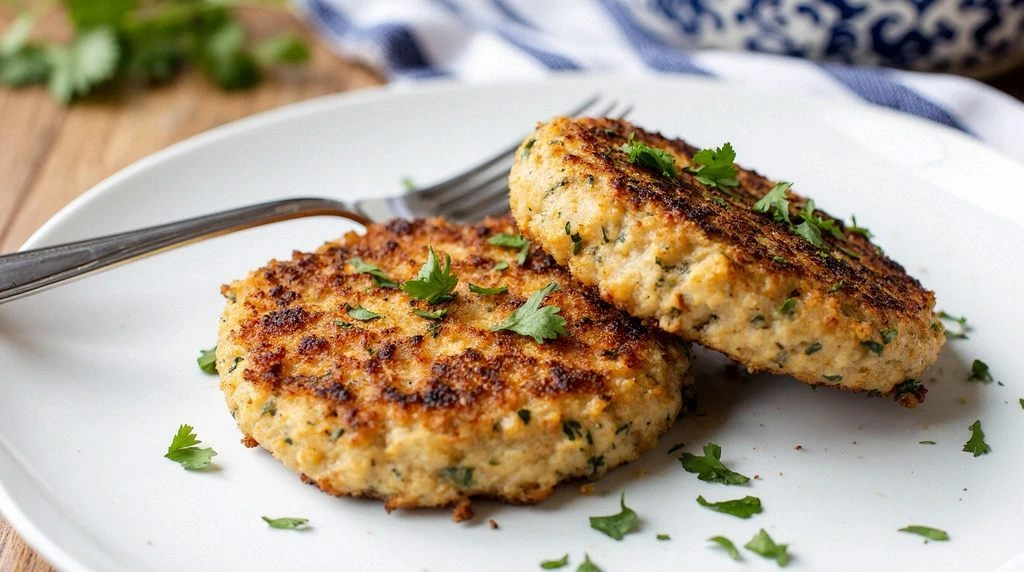
This version stands out because it takes the humble crab cake and elevates it to an experience that lingers in the memory. The crust is a buttery, panko‑laden crunch that shatters like thin ice under the first bite. Inside, the crab meat is tender and moist, kissed by a subtle tang from lemon and Worcestershire that cuts through the richness. The mayonnaise base is thick, yet airy, creating a creamy backdrop that feels like velvet against the palate. The result is a dish that feels like a high‑end appetizer in a five‑star restaurant, but you can make it in your own kitchen.
What makes this recipe a game‑changer is the unexpected twist: a splash of tomatillo‑jalapeño aioli that adds a bright, smoky kick. This sauce coats the cakes like a silk scarf, adding depth and a burst of color that makes the dish look as good as it tastes. I dare you to taste this and not go back for seconds; the combination of textures and flavors will keep you coming back for more. The aioli is the secret sauce that sets this recipe apart, turning a simple crab cake into an unforgettable culinary moment.
I confess, I ate half the batch before anyone else got a chance to try it. The first bite was an explosion of flavor—crisp, briny, and utterly addictive. My friends were amazed, and I could see the look of disbelief on their faces as they realized how simple it was to achieve such complexity. The dish became an instant crowd‑pleaser, and the kitchen hummed with excitement. It was the kind of success that makes you want to keep the recipe on your shelf forever.
Most recipes get this completely wrong. They either over‑cook the crab, use too much binding, or forget the crucial panko layer. Here’s what actually works: keep the crab meat moist, use fresh ingredients, and let the panko do its job as a crunchy, golden armor. The result is a cake that holds together yet breaks apart with a satisfying snap. The secret is in the balance—between the tender crab, the creamy base, and the crunchy coating. If you’ve ever struggled with crab cakes, you’re not alone— and I’ve got the fix.
Picture yourself pulling these golden beauties out of the skillet, the scent of citrus and sea filling every corner of the kitchen. The sound of the first bite is a satisfying crunch, followed by the gentle release of a buttery, savory flavor that lingers on the tongue. Your guests will be mesmerized, and you’ll feel like a culinary magician. The anticipation builds as you plate them with a drizzle of aioli, a sprinkle of green onion, and a wedge of lemon. The dish looks as good as it tastes, a visual masterpiece that invites everyone to dig in.
Okay, ready for the game‑changer? The next part of the recipe is pure magic. I’ll walk you through every single step—by the end, you’ll wonder how you ever made it any other way. This is hands down the best version you’ll ever make at home, and I’m about to share every secret that makes it so irresistible. Let’s dive in, and trust me, the results will speak for themselves.
Now that the stage is set, let’s talk about what makes this version stand out from the crowd. You’re about to discover the five pillars that elevate these crab cakes from good to legendary. Each pillar is a key to unlocking the full potential of the dish, and I’ll explain why it matters. Get ready to see why this recipe will become a staple in your culinary arsenal. Let’s break it down.
What Makes This Version Stand Out
- Flavor: The blend of lemon, Worcestershire, and a whisper of Dijon mustard creates a bright, savory profile that cuts through the richness of the crab.
- Texture: The double panko technique ensures a crisp exterior that gives way to a moist, tender interior—a perfect bite every time.
- Ingredient Quality: Fresh lump crab meat is the gold standard; its natural sweetness is amplified by the simple, high‑quality condiments.
- Visual Appeal: A drizzle of tomatillo‑jalapeño aioli adds a pop of color and a subtle smoky depth that makes the dish Instagram‑ready.
- Time Efficiency: Prep takes just 15 minutes, and the cooking process is straightforward, making it ideal for weeknight dinners or last‑minute entertaining.
- Make‑ahead Potential: Assemble the cakes in advance and refrigerate; they’ll fry up crisp and ready to serve, saving you time during the big event.
- Versatility: The recipe adapts easily to different dietary preferences—use Greek yogurt for a lighter version or swap mayo for a dairy‑free alternative.
Inside the Ingredient List
The Flavor Base
Mayonnaise is the creamy heart of the mixture, providing moisture and a silky texture that holds the crab together. A half cup is enough to bind the ingredients without overpowering the delicate seafood flavor. If you’re looking for a lighter option, swap half of the mayo for Greek yogurt; the result will be tangier and lower in calories.
The Texture Crew
Panko breadcrumbs are the unsung hero that gives the cakes their signature crunch. Using ¾ cup divided—½ cup inside the mixture and ¼ cup for coating—creates a two‑layered crust that is both golden and satisfying. If you can’t find panko, regular breadcrumbs will work, but the crunch will be less pronounced.
The Unexpected Star
The tomatillo‑jalapeño aioli adds a bright, smoky kick that elevates the dish from ordinary to extraordinary. The aioli coats the cakes like a silk scarf, adding depth and a burst of color that makes the dish look as good as it tastes. The combination of citrus and heat is a flavor explosion that will keep your guests coming back for more.
The Final Flourish
Fresh green onions bring a sharp, aromatic finish that balances the richness of the mayo and the sweetness of the crab. Slice them finely to distribute the flavor evenly. A squeeze of lemon juice brightens the entire dish, cutting through the oil and adding a fresh note that lingers on the palate.
Everything's prepped? Good. Let's get into the real action.
The Method — Step by Step
- Step 1: Assemble the Base. In a large bowl, combine the crab meat, mayonnaise, egg, Worcestershire sauce, lemon juice, and Dijon mustard. Mix gently with a wooden spoon, being careful not to break up the crab lumps. The mixture should be moist but not runny; adjust with a splash of mayo if necessary. Feel the texture—smooth, slightly sticky, ready for binding.
- Step 2: Add the Panko. Fold in ½ cup of panko breadcrumbs, ensuring the crumbs are evenly distributed. The panko should be absorbed enough to hold the mixture together but still retain some bite. This is the first layer of crunch that will become a golden crust. If the mixture feels dry, add a teaspoon of water or a bit more mayo.
- Step 3: Season. Sprinkle in the finely sliced green onions, a pinch of salt, and a dash of black pepper. The green onions provide a fresh, sharp contrast to the creamy base. Seasoning at this stage is crucial; it allows the flavors to meld before the cakes are formed.
- Step 4: Shape the Cakes. With wet hands, form the mixture into 8 equal patties, about 2 inches in diameter. Press gently to compact, but avoid over‑compressing; the cakes should hold together without being too dense. The shape ensures even cooking and a pleasing presentation.
- Step 5: Coat with Panko. Place the remaining ¼ cup of panko in a shallow dish. Roll each patty in the panko, pressing lightly to adhere. This coating will create the signature crunch once fried. The panko should clump slightly, giving a textured surface.
- Step 6: Heat the Oil. In a large skillet, pour enough vegetable or peanut oil to cover the bottom by about 1/4 inch. Heat over medium heat until the oil reaches 350°F (175°C). Use a thermometer or a small drop of batter to test; it should sizzle without smoking.
- Step 7: Fry the Cakes. Carefully place the coated cakes into the hot oil, working in batches to avoid crowding. Fry for 3–4 minutes per side, until the crust is golden brown and crisp. Flip only once; the first side should develop a firm crust before turning.
- Step 8: Drain and Rest. Transfer the fried cakes to a paper‑towel‑lined plate to absorb excess oil. Let them rest for 2 minutes; this allows the juices to redistribute and the exterior to set. The aroma at this point is irresistible—an intoxicating blend of sea, citrus, and caramelized panko.
- Step 9: Prepare the Aioli. While the cakes rest, whisk together the tomatillo‑jalapeño aioli with a splash of lemon juice. The aioli should be smooth and bright, with a subtle heat that complements the savory cakes.
- Step 10: Plate and Serve. Arrange the cakes on a platter, drizzle with aioli, and garnish with extra green onions and lemon wedges. Serve immediately while the cakes are still hot and the crust is crisp. The first bite should be a perfect harmony of crunch, creaminess, and a burst of citrus.
That's it—you did it. But hold on, I've got a few more tricks that'll take this to another level. Stay with me here—this is worth it.
Insider Tricks for Flawless Results
The Temperature Rule Nobody Follows
Maintaining the correct oil temperature is crucial. If the oil is too hot, the exterior will burn before the interior cooks; too cool, and the cakes will soak up oil and become soggy. Use a candy or deep‑fry thermometer to keep the oil between 350°F and 375°F. A friend once tried to fry at 300°F, and the cakes ended up looking like soggy pancakes.
Why Your Nose Knows Best
Smell is a powerful indicator of doneness. When the cakes are ready, they emit a warm, buttery scent with a hint of toasted panko. If you smell a sharp, metallic note, the oil is overheating. Trust your nose; it will guide you to the perfect crust.
The 5-Minute Rest That Changes Everything
After frying, let the cakes rest on a wire rack for five minutes. This allows excess oil to drain while the interior remains moist. Skipping this step often results in a rubbery texture, as the heat continues to redistribute unevenly.
Keep the Crust Crispy, Even When Reheating
When reheating, use a skillet rather than the microwave. Heat the pan to medium, add a splash of oil, and sear the cakes for 1–2 minutes per side. This restores the crunch and prevents the cakes from becoming limp.
Use Fresh Crab, Not Canned
Fresh lump crab offers a natural sweetness that canned crab simply can’t match. If you must use canned, rinse and pat dry thoroughly to remove excess liquid. The texture will still be good, but the flavor profile will differ slightly.
Don't Forget the Aioli
The aioli is the finishing touch that ties everything together. A small drizzle on top of each cake adds a burst of brightness and a subtle heat that elevates the dish. A friend once tried to skip it, and the result was a bland, forgettable crab cake.
Creative Twists and Variations
Smoky Chipotle Crunch
Swap the tomatillo‑jalapeño aioli for a chipotle‑infused mayo. Add a teaspoon of chipotle powder to the base mixture for an extra kick. This variation is perfect for those who love a smoky, spicy flavor profile.
Herb‑Infused Delight
Mix chopped fresh dill and parsley into the crab mixture. The herbs provide a fresh, aromatic counterpoint to the richness. Serve with a squeeze of lime for a bright finish.
Cheesy Crab Cakes
Fold in ¼ cup of shredded sharp cheddar before coating with panko. The cheese melts into the interior, creating a gooey, savory center. This version is a hit with kids and adults alike.
Low‑Fat Lightness
Replace mayonnaise with a low‑fat Greek yogurt and use a non‑stick skillet to reduce oil. The result is a lighter cake that still retains the essential crunch. Ideal for calorie‑conscious diners.
Vegan Variation
Use a plant‑based mayo and a vegan egg replacer. Swap the crab for a blend of mashed chickpeas and finely chopped artichoke hearts. The texture changes, but the flavor remains surprisingly close.
Asian Fusion
Add a tablespoon of soy sauce and a splash of rice vinegar to the base mixture. Garnish with sliced scallions and a drizzle of sriracha. This twist gives the cakes an umami, slightly sweet finish.
Storing and Bringing It Back to Life
Fridge Storage
Place cooked cakes in an airtight container and refrigerate for up to 2 days. The crust will soften slightly, so plan to reheat them before serving. The flavors will deepen, giving the cakes a richer taste.
Freezer Friendly
Cool the cakes completely before freezing in a single layer on parchment paper. Once solid, transfer them to a freezer bag. They can be stored for up to 3 months. Thaw in the refrigerator overnight before reheating.
Best Reheating Method
Reheat in a skillet over medium heat, adding a splash of oil to restore crispness. Alternatively, use the oven at 375°F for 10 minutes. A tiny splash of water before reheating will steam the interior, preventing dryness.