Picture this: you’re in the middle of a late‑night pizza craving, the fridge is a barren wasteland, and the last slice you remember was a greasy take‑out that left your stomach in a state of rebellion. You pull out a handful of coconut flour, a dash of baking powder, and a couple of eggs, and you’re like, “Why not give this a shot?” The kitchen lights flicker, the timer buzzes, and the aroma of toasted coconut fills the air—an unexpected promise of something delicious. That moment of culinary curiosity is what sparked this recipe, and it’s the spark that will ignite your own kitchen adventure. Let me walk you through every single step—by the end, you’ll wonder how you ever made it any other way.
We’re not just talking about a pizza crust; we’re talking about a low‑carb, gluten‑free canvas that feels as comforting as a hug and as bold as a midnight dare. The texture is a paradox: a chewy interior that holds a crisp edge, like a perfectly baked cookie that’s still warm. The flavor profile is subtle yet distinct, with a faint nutty sweetness that balances the savory toppings. You’ll hear the satisfying crack as you lift the first slice, and you’ll taste the subtle tang of coconut that lingers on your palate. If you’ve ever struggled to find a pizza base that doesn’t weigh you down, this is the answer you’ve been waiting for.
What makes this version stand out isn’t just the ingredient list—it’s the method, the timing, and the little secrets that elevate a simple crust into an edible work of art. The next few sections will dissect each element, revealing why this recipe is hands down the best version you’ll ever make at home. From the first whisk to the final bake, every detail is designed to maximize flavor, texture, and ease. And trust me, the result will be so good you’ll dare anyone to taste it and not go back for seconds. Stay with me, because the next part? Pure magic.
What Makes This Version Stand Out
- Flavor: The subtle coconut sweetness pairs beautifully with savory toppings, creating a balanced taste that feels indulgent yet light. It’s the kind of flavor that lingers pleasantly after the first bite, making you crave more.
- Texture: The crust offers a chewy interior that holds up to sauces, while the edges crisp up into golden perfection—think of it as a chewy cookie that’s also a crisp pizza.
- Convenience: The recipe requires only a handful of pantry staples, no special equipment, and takes less than 30 minutes from start to finish. It’s a win for busy weeknights.
- Health: With low net carbs, high protein, and no refined flour, this crust is a healthier alternative that doesn’t sacrifice flavor.
- Versatility: The neutral base invites endless toppings—meat, veggies, or even a sweet glaze—making it a playground for creativity.
- Make‑Ahead: The dough can be assembled in advance, chilled, and baked later, which means you can prep the night before and have a fresh pizza ready in minutes.
Alright, let’s break down exactly what goes into this masterpiece. Kitchen Hack: If you’re new to coconut flour, start with a small batch to get a feel for its absorbency; it’s more absorbent than wheat flour, so a little goes a long way.
Inside the Ingredient List
The Flour Base
Coconut flour is the star of this recipe, providing a subtle sweetness and a dense structure that holds the dough together. It’s highly absorbent, which means you’ll need fewer liquids than you’d expect from a traditional flour. If you skip it, the crust will feel spongy and fail to rise. A good rule of thumb is to use 2 cups per 4 servings, but feel free to experiment with 1.5 cups for a slightly lighter bite. Fun Fact: Coconut flour was first commercialized in the 1970s as a gluten‑free alternative, and its high fiber content makes it a favorite among keto enthusiasts.
The Binding Crew
Eggs are the glue that holds the coconut flour together, giving the crust structure and a golden crust when baked. They also add a subtle richness that balances the coconut’s natural nuttiness. If you’re vegan, you can replace eggs with a flaxseed or chia egg, but the texture will shift slightly. A pinch of salt enhances the flavor profile, cutting through the sweetness and adding depth. The baking powder ensures a slight lift, preventing the crust from becoming too dense.
The Moisture Magic
Olive oil and water work in tandem to create a pliable dough that’s easy to roll out. Olive oil adds a silky mouthfeel and a hint of Mediterranean flavor that complements tomato sauce beautifully. Water, on the other hand, hydrates the flour and helps activate the leavening agents. If you notice the dough is too dry, add a tablespoon of water at a time until it reaches a smooth consistency. Remember, coconut flour can be unforgiving, so a little extra liquid is better than a crumbly mess.
The Final Flourish
Xanthan gum is optional but highly recommended; it adds elasticity and helps the dough hold its shape during baking. Without xanthan gum, the crust may crack or spread too thin. You’ll only need a quarter teaspoon—too much will give a gummy texture. This small addition can make the difference between a pizza that’s a triumph and one that’s a lesson in patience. Finally, a splash of lemon juice brightens the overall flavor, cutting through the richness and adding a fresh note.
Everything’s prepped? Good. Let’s get into the real action.
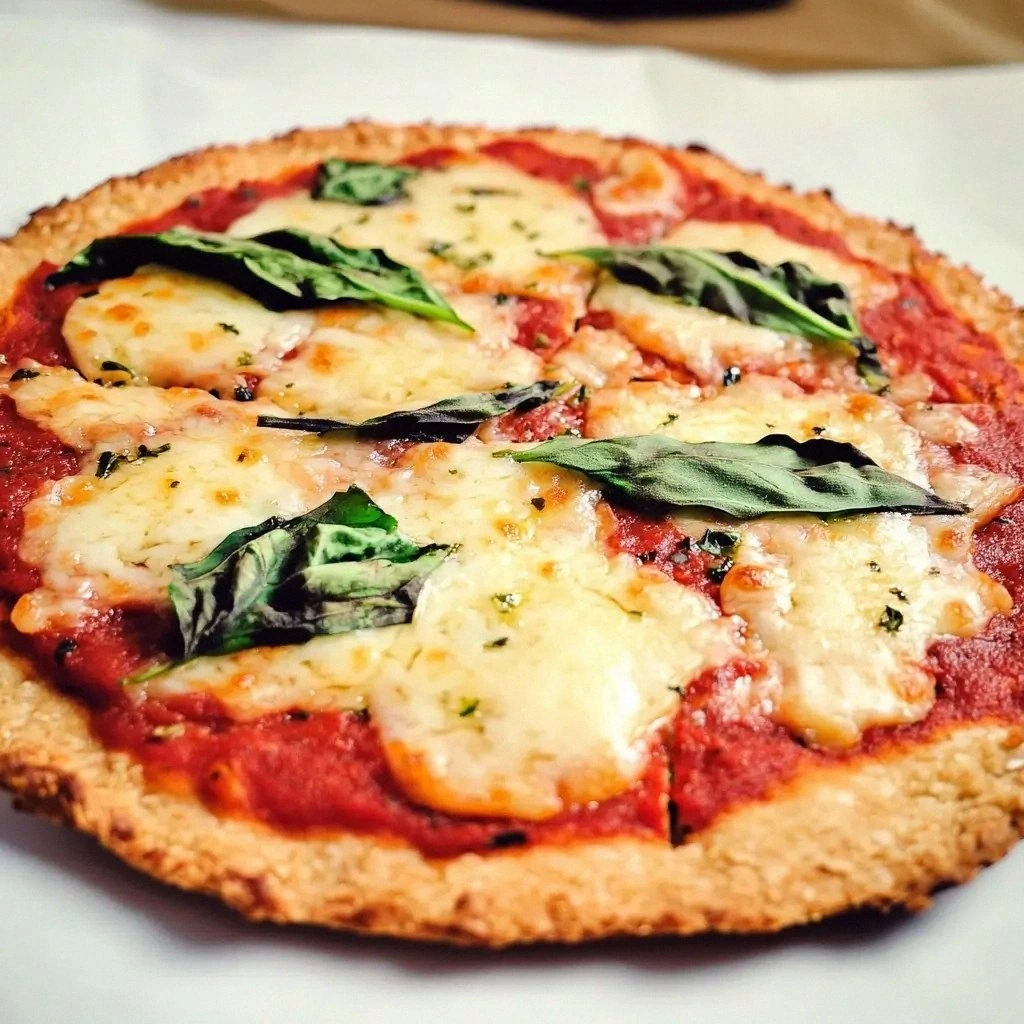
The Method — Step by Step
- Preheat the oven: Set your oven to 425°F (220°C) and place a pizza stone or baking sheet inside to heat. This ensures a crisp base right from the start. As the stone warms, the batter will spread evenly, preventing a soggy center. While the oven heats, gather all your ingredients and tools.
- Whisk the dry mix: In a large bowl, combine 2 cups coconut flour, 1 tsp baking powder, 1 tsp salt, and 1/4 tsp xanthan gum. Sift the mixture to avoid clumps and create a fine, airy texture. This step is crucial for a smooth dough; any lumps will carry over to the crust.
- Beat the eggs: In a separate bowl, whisk 4 eggs until frothy. The froth helps incorporate air, giving the crust a slight lift. If you’re vegan, whisk a flaxseed or chia egg with 3 tbsp water until it thickens before adding.
- Combine wet and dry: Pour the egg mixture into the dry ingredients, then add 1/4 cup olive oil and 1 cup water. Stir vigorously until a thick, sticky batter forms. The batter should be thick enough to hold its shape but still pliable.
- Let it rest: Cover the bowl with plastic wrap and let the batter sit for 5 minutes. This rest period allows the coconut flour to fully absorb the liquids, preventing a gummy texture during baking. If the batter thickens too much, add a tablespoon of water to loosen it.
- Roll out the dough: Lightly flour a clean surface with coconut flour, then press the batter into a thin disk. Use a rolling pin or your hands to achieve a 12-inch diameter. The crust should be thin but sturdy enough to hold toppings.
- Pre-bake the crust: Slide the dough onto the preheated pizza stone and bake for 8–10 minutes, or until the edges start to turn golden. This step locks in moisture and creates a sturdy base for sauce and cheese.
- Add toppings: Remove the crust from the oven, spread your favorite sauce, sprinkle cheese, and add toppings of choice. I like a simple marinara and mozzarella combo, but feel free to experiment.
- Finish baking: Return the pizza to the oven and bake for an additional 8–12 minutes, until the cheese melts and the crust is crisp. Watch for the edges; they should be golden brown and slightly charred for that rustic finish.
- Cool and serve: Let the pizza cool for a minute before slicing. The crust will firm up, making it easier to cut clean slices. Serve immediately and enjoy the harmonious blend of flavors.
That’s it—you did it. But hold on, I've got a few more tricks that'll take this to another level. Kitchen Hack: Sprinkle a pinch of sea salt on top of the cheese before baking to enhance the savory notes and create a subtle crunch.
Insider Tricks for Flawless Results
The Temperature Rule Nobody Follows
Many cooks think a lower temperature will yield a softer crust, but for coconut flour, a high heat is essential. Baking at 425°F ensures the exterior crispens quickly while the interior stays tender. If you lower the temperature, you risk a soggy center and under‑baked edges. I’ve tried 375°F, and the crust was chewy and didn’t hold toppings well. Stick with the high heat for that perfect contrast.
Why Your Nose Knows Best
Before you even touch the dough, let it sit for 5 minutes. The smell that emerges is a subtle, toasted coconut aroma that signals the batter’s ready to go. This is a quick way to avoid a dry or gummy crust. If you’re unsure, press a finger into the dough; it should spring back slightly. Trust your senses—your nose is a reliable judge.
The 5‑Minute Rest That Changes Everything
Allowing the batter to rest lets the coconut flour fully absorb the liquid. This step is often skipped, leading to a dense, unyielding crust. After the rest, the dough should feel slightly tacky but not wet. If it’s too dry, add a splash of water; if too wet, add a teaspoon of coconut flour. This simple adjustment ensures consistent results.
Use a Pizza Stone
A pizza stone mimics the high heat of a brick oven, giving the base a crispy texture. If you don’t have a stone, a preheated baking sheet works, but the crust may be less crisp. Place the stone in the oven while it preheats; this creates a hot surface that bakes the crust in a single pass. The result is a golden, crunch‑laden base that holds sauce beautifully.
Finish with Fresh Herbs
Right after you take the pizza out of the oven, sprinkle fresh basil or oregano. The heat will wilt the herbs slightly, releasing their oils and adding a burst of freshness. This step elevates the flavor profile and gives the pizza a professional touch. It’s a quick finish that makes the pizza feel like a restaurant‑quality creation.
Don’t Over‑Top
While it’s tempting to pile on cheese and toppings, too much weight can cause the crust to sink. Stick to a moderate amount of sauce and a light layer of cheese. If you love extra cheese, add a second layer after the first bake; this prevents the crust from becoming soggy. The goal is a balanced bite, not a cheese‑laden mess.
Creative Twists and Variations
This recipe is a playground. Here are some of my favorite ways to switch things up:
Midnight Margherita
Swap the standard marinara for a creamy tomato basil sauce and top with fresh mozzarella, basil leaves, and a drizzle of balsamic glaze. The result is a rich, comforting pizza that feels like a midnight snack with a gourmet twist.
Spicy Sausage Slice
Layer the crust with sliced spicy Italian sausage, red pepper flakes, and a sprinkle of smoked mozzarella. The heat from the sausage pairs with the coconut’s mild sweetness, creating a fiery yet balanced bite.
Veggie Garden
Use a medley of roasted bell peppers, zucchini, mushrooms, and olives. Finish with a sprinkle of feta and a dusting of oregano. This variation is a colorful, nutrient‑dense option that still feels indulgent.
Breakfast Pizza
Top the crust with scrambled eggs, diced bacon, and a splash of milk. Add a handful of spinach and finish with a sprinkle of grated cheddar. It’s a breakfast pizza that’s surprisingly savory and satisfying.
Sweet Coconut Delight
Spread a thin layer of almond butter, scatter dried cranberries, and drizzle honey over the crust. Bake until the edges are golden. This sweet version is a dessert pizza that feels like a treat and a snack rolled into one.
Gluten‑Free BBQ Chicken
Spread a smoky barbecue sauce, add shredded chicken, red onions, and cilantro. Finish with a sprinkle of cheddar and a few slices of avocado after baking. The smoky flavor complements the coconut base, creating a mouth‑watering combination.
Storing and Bringing It Back to Life
Fridge Storage
Store the assembled pizza in an airtight container for up to 3 days. The crust will remain firm, and the toppings will stay fresh. When ready to eat, simply reheat in the oven at 350°F for 10 minutes to revive the crispness.
Freezer Friendly
Freeze the uncooked dough or the assembled pizza for up to 2 months. Wrap tightly in plastic wrap and place in a freezer bag. Thaw overnight in the fridge before baking for best results. The texture remains crisp, and the flavor stays intact.
Best Reheating Method
Reheat in a preheated oven at 375°F for 8–10 minutes, or until the cheese melts and the crust is crisp. Adding a splash of water before reheating steams the crust back to life, preventing it from drying out. This trick ensures every bite is as delightful as the first.