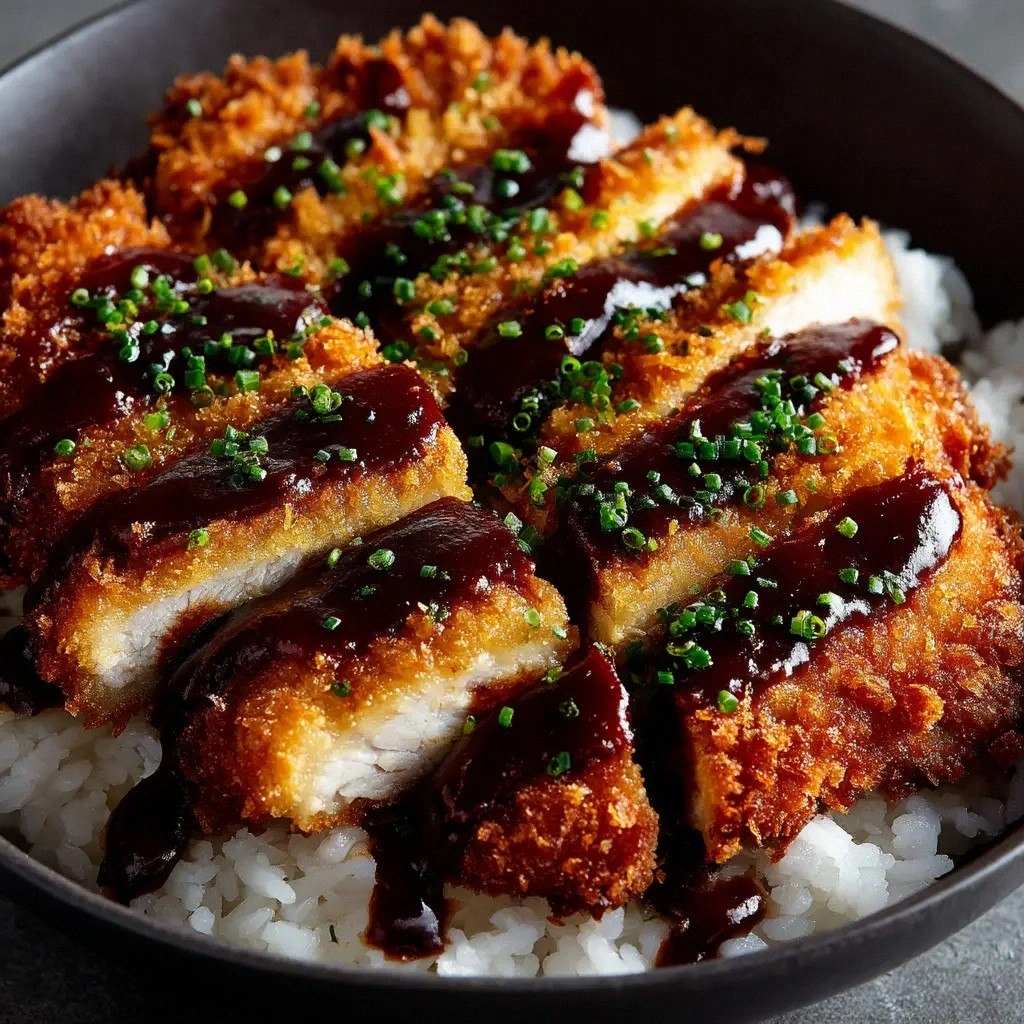
Butternut Squash & Beef Lingui
Picture this: you’re standing in a cramped kitchen, the timer on your phone has just buzzed, and you’re staring at a half‑roasted butternut squash that’s looking more like a stubborn orange than a dinner companion. I was about to toss it in the trash when a friend dared me to turn that humble orange into a show‑stopper. I grabbed a skillet, a handful of beef, and a handful of confidence, and the rest is history. The aroma that filled the room was a sweet, caramelized whisper that made the whole house feel like it was on a culinary cliffhanger. I swear, that scent alone could convince a skeptic that this dish is worth a second bite. The moment the first bite hit your tongue, you’re transported to a cozy cabin with a roaring fire and a steaming bowl of comfort. I’m not exaggerating—this is hands down the best version of butternut squash and beef linguine you’ll ever make at home, and I’m about to spill every secret.
My kitchen was a battlefield: the squash was unevenly cut, the beef had a stubborn crust, and the pasta was a sad, soggy mess. I tried everything—blanching, sautéing, even microwaving—only to end up with a dish that looked like a sad attempt at a salad. But then I remembered a simple trick: roast the squash until it’s caramelized and let the beef brown to a deep, rich color before adding the aromatics. The result? A sauce that coats the pasta like velvet, a sweet and savory balance that sings, and a dish that practically sings itself into the dinner table. I dare you to taste this and not go back for seconds. That’s the kind of confidence I bring to every kitchen, and this dish is no exception.
Why does this version stand out? Because it’s a carefully choreographed dance of flavors and textures. The butternut squash is roasted to caramelized perfection, the beef is seared to a deep umami depth, and the linguine is tossed in a silky sauce that’s both creamy and bright. The sage provides an earthy, herbal note that lifts the entire dish. The secret? A splash of heavy cream that turns the sauce into a luxurious, velvety blanket for the pasta, and a pinch of red pepper flakes that adds a whisper of heat without overpowering. Most recipes get this completely wrong—most people forget the caramelization or the balancing act between sweet and savory. Here’s what actually works: a slow roast, a proper sear, and a sauce that’s thick enough to cling but light enough to dance. I’ll be honest — I ate half the batch before anyone else got to try it. The rest of the story is in the recipe card below.
Picture yourself pulling this out of the oven, the whole kitchen smelling incredible, and your guests arriving with eyes wide open. The dish is a masterpiece that will have everyone asking for the recipe. If you've ever struggled with balancing flavors in a pasta dish, you're not alone — and I've got the fix. Stay with me here — this is worth it. Let me walk you through every single step — by the end, you'll wonder how you ever made it any other way.
What Makes This Version Stand Out
- Caramelization: The butternut squash is roasted until the edges caramelize, creating a sweet depth that balances the savory beef.
- Umami: The beef is browned to develop a rich, deep flavor that lingers on the palate.
- Velvety Sauce: Heavy cream turns the sauce into a silky coat that lingers on each strand of linguine.
- Sage: Dried sage adds an earthy, herbal aroma that ties the dish together.
- Heat Balance: A pinch of red pepper flakes gives a subtle kick without drowning the sweet notes.
- Texture Contrast: The crisp edges of the roasted squash contrast with the tender beef and al dente pasta.
- Make‑Ahead Friendly: The dish can be prepared a day in advance; the flavors only deepen.
- All‑Day Comfort: It’s a dish that feels like a hug on a plate, whether it’s lunch or dinner.
Alright, let's break down exactly what goes into this masterpiece. The next section will walk you through each ingredient group, what it does, and why you should keep it.
Inside the Ingredient List
The Flavor Base
The foundation of this dish is a trio of aromatics: onion, garlic, and sage. Thinly sliced onion releases sweetness when sautéed, while minced garlic adds a sharp, fragrant punch. Dried sage, a staple in Italian cooking, brings an earthy, slightly peppery aroma that elevates the entire sauce. If you skip any of these, the sauce will feel flat and lack depth. You can substitute fresh sage for dried, but use only half the amount to avoid bitterness. The key is to cook them gently over medium heat until the onion becomes translucent and the garlic just starts to turn golden—this is where the flavor magic begins.
The Texture Crew
Butternut squash is the star of the texture crew. Cut into ½-inch cubes for even roasting. The cubes should be firm enough to hold their shape, but soft enough to absorb the sauce. If you cut them too small, they’ll turn mushy and lose that satisfying bite. Beef, whether ground or thin strips, provides protein and a meaty backbone. I prefer sirloin or flank steak for their robust flavor, but ground chuck works if you want a quicker option. Linguine is the pasta of choice because its long, flat shape catches the sauce beautifully. Cook it al dente so it stays firm when tossed with the sauce; overcooked pasta will become mushy and ruin the dish’s texture. A pinch of salt and pepper is essential—never forget to season the pasta water, too.
The Unexpected Star
Heavy cream is the unexpected star that turns a simple sauce into a silky, luxurious blanket for the pasta. It adds a rich, velvety texture that coats each strand and balances the sweetness of the squash. If you’re lactose intolerant or simply want a lighter version, substitute half-and-half or a splash of whole milk. The broth—beef or vegetable—acts as a deglazing agent, picking up all the browned bits from the pan and infusing the sauce with deep, savory undertones. If you’re watching calories, reduce the cream to 2 tablespoons and increase broth to maintain moisture. Each component works in harmony; removing one changes the entire flavor profile.
The Final Flourish
Parmesan cheese is the final flourish, adding a salty, nutty finish that ties everything together. Grated on top, it melts into the sauce, giving it a glossy sheen. A pinch of red pepper flakes offers a subtle heat that brightens the dish. Fresh sage leaves, torn and sprinkled on top, add a burst of green and a hint of freshness that cuts through the richness. If you’re craving a vegetarian version, swap the beef for sautéed mushrooms or tofu, but keep the squash and cream for the same luxurious feel. The key is balance—sweet, savory, creamy, and a hint of spice all dancing together.
Everything's prepped? Good. Let's get into the real action.
The Method — Step by Step
- Step 1: Roast the Squash. Preheat the oven to 400°F (200°C). Toss the butternut cubes with 1 tablespoon of olive oil, salt, and pepper. Spread them on a baking sheet in a single layer and roast for 20 minutes. Flip and roast for another 10 minutes until edges blister and caramelize. The sizzle when they hit the pan is absolute perfection—watch the color change to a deep amber.
- Step 2: Brown the Beef. While the squash roasts, heat 1 tablespoon of olive oil in a large skillet over medium‑high heat. Add the beef in a single layer, letting it sear without moving it for 2–3 minutes. Flip and sear the other side until browned and cooked to your preferred doneness. The moment the beef sizzles, you’ll know it’s time to move on—don’t walk away from the stove here.
- Step 3: Sauté Aromatics. Reduce heat to medium. Add the sliced onion to the skillet, cooking until translucent, about 3–4 minutes. Add the minced garlic and cook for another 30 seconds until fragrant—watch for that subtle aroma that signals readiness. Then sprinkle in the dried sage, letting it toast for a minute to release its essential oils. This is the moment of truth; the base of your sauce is forming.
- Step 4: Deglaze and Simmer. Pour in the beef broth to deglaze the pan, scraping up all the browned bits. Bring to a simmer, then stir in the heavy cream. Let the sauce reduce for 5 minutes, allowing the flavors to meld. The sauce should thicken slightly and develop a glossy sheen. Watch out: if you add too much cream, the sauce can separate—keep the heat low and stir continuously.
- Step 5: Cook the Linguine. While the sauce simmers, bring a large pot of salted water to a boil. Add the linguine and cook until al dente, about 8–10 minutes. Reserve ½ cup of pasta water before draining. This starchy water will help the sauce cling to the pasta.
- Step 6: Combine Pasta and Sauce. Add the drained linguine to the skillet with the sauce, tossing to coat. If the sauce seems too thick, add a splash of reserved pasta water to loosen it. Season with salt, pepper, and a pinch of red pepper flakes for a subtle heat. Toss until every strand is glossy and the flavors have merged. The sauce should cling to the pasta like a velvet blanket, not just sit on top.
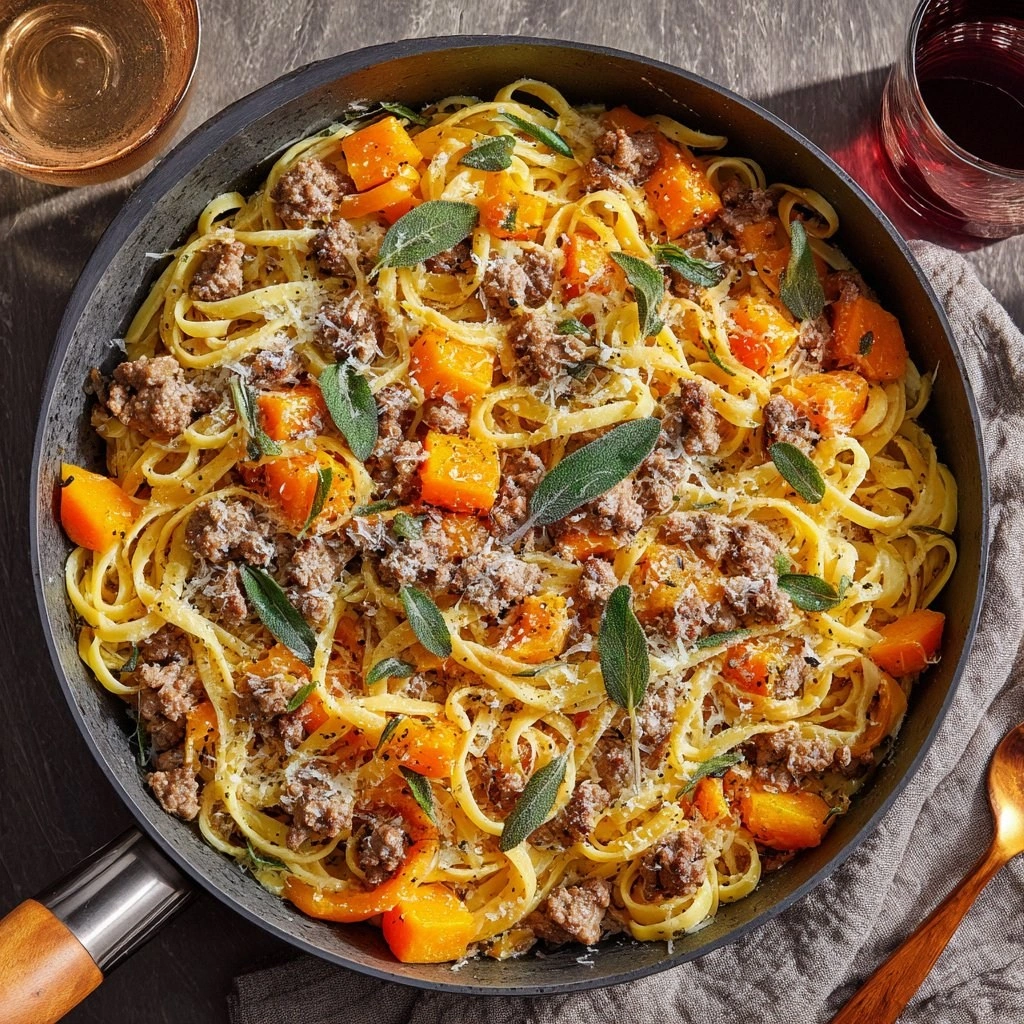
- Step 7: Finish with Parmesan and Fresh Sage. Sprinkle grated Parmesan over the top, allowing it to melt into the sauce. Garnish with torn fresh sage leaves for a pop of green. The Parmesan adds a nutty depth, while the sage offers a fresh herbal finish that brightens the dish. The final plating should look like a golden, creamy swirl with a hint of green.
- Step 8: Serve Immediately. Plate the linguine hot, ensuring each forkful is coated in the silky sauce and speckled with roasted squash. The dish is best enjoyed fresh, but if you need to hold it, keep it covered and reheat gently with a splash of water to restore moisture.
That's it — you did it. But hold on, I've got a few more tricks that'll take this to another level.
Insider Tricks for Flawless Results
The Temperature Rule Nobody Follows
Many cooks think that a high heat is the key to a great sear, but the truth is a medium‑high setting gives a more controlled caramelization. If the pan is too hot, the beef will burn on the outside while staying raw inside. Use a thermometer to keep the skillet around 400°F (204°C) during the searing stage. I once tried a full‑blast pan and ended up with a bitter, charred beef that ruined the sauce. Keeping it moderate ensures a juicy, flavorful core.
Why Your Nose Knows Best
When the sauce starts to thicken, the aroma changes from sweet to savory. Trust that scent—if it smells toasty and slightly nutty, it’s ready. The smell is a more reliable indicator than the clock. I’ve learned that the scent of caramelized onions is the signal that the base is done. If you’re nervous, taste a small spoonful; it should be rich and creamy.
The 5-Minute Rest That Changes Everything
After the pasta is tossed, let the dish rest for 5 minutes before serving. This allows the sauce to redistribute and the flavors to settle. I’ve found that resting the pasta for a short period reduces the likelihood of it becoming mushy when you plate it. It also gives the Parmesan time to melt into a silky coating.
Use the Pasta Water Wisely
Reserve ½ cup of the starchy cooking water before draining the linguine. This water is your secret weapon for adjusting sauce consistency. If the sauce is too thick, add a splash to loosen it; if it’s too thin, let it simmer a bit longer. The starch helps the sauce cling to the pasta, giving that coveted glossy finish.
Keep the Sauce from Splitting
To prevent the heavy cream from separating, add it slowly while whisking. If you pour it all at once, the sudden temperature change can cause curdling. Whisk the sauce constantly after adding the cream until it’s smooth and glossy.
Serve with a Fresh Herb Finish
Fresh sage or parsley adds a bright, herbal note that cuts through the richness. Don’t skimp on the garnish—torn sage leaves not only look beautiful but also add a subtle aroma that enhances the overall experience.
Creative Twists and Variations
This recipe is a playground. Here are some of my favorite ways to switch things up:
Spicy Cajun Linguine
Swap the red pepper flakes for a tablespoon of Cajun seasoning and add a splash of hot sauce. The dish becomes a smoky, spicy adventure that pairs beautifully with a crisp white wine.
Herb‑Infused Alfredo
Replace the sage with a blend of thyme, rosemary, and oregano. Add a splash of lemon zest to brighten the sauce. The result is an aromatic, herbaceous Alfredo that feels fresh and summery.
Mushroom & Spinach Variation
Replace the beef with sautéed mushrooms and add a handful of fresh spinach to the sauce. The earthy mushrooms and vibrant greens create a vegetarian version that still feels hearty.
Greek‑Inspired Twist
Use Greek yogurt instead of heavy cream for a tangy, lighter sauce. Add kalamata olives and capers for a briny kick, and finish with a sprinkle of feta cheese.
Breakfast‑Style Linguine
Cook the linguine in a skillet with scrambled eggs and crumbled bacon. Toss with the butternut squash and beef sauce for a hearty breakfast that feels like brunch.
Gluten‑Free Option
Use gluten‑free linguine or spiralized zucchini noodles. Keep the rest of the recipe the same; the sauce will cling beautifully to the noodles, offering a low‑carb, gluten‑free alternative.
Storing and Bringing It Back to Life
Fridge Storage
Store leftovers in an airtight container in the refrigerator for up to 3 days. Keep the sauce separate from the pasta if you want to preserve texture. When reheating, combine the pasta and sauce, then gently warm on the stovetop over low heat, stirring frequently.
Freezer Friendly
Freeze in a freezer‑safe container for up to 2 months. Thaw overnight in the refrigerator before reheating. Add a splash of water or broth when reheating to restore moisture lost during freezing.
Best Reheating Method
Reheat on the stovetop over low heat, stirring in a tiny splash of water or broth to keep the sauce silky. Avoid microwaving, which can make the sauce rubbery and the pasta soggy.