Introduction
Picture this: I was halfway through a frantic weekday morning, juggling a coffee mug, a half‑eaten bagel, and a stack of unpaid bills, when the kitchen lights flickered and the oven alarm rang. I stared at the glowing screen, realizing I had forgotten to preheat the oven for the bread I’d been planning to bake. The dough sat in a bowl, a stubborn lump of flour and yeast that seemed determined to stay in the dark. That moment of culinary panic became the spark that ignited the ultimate breakfast bread bowl.
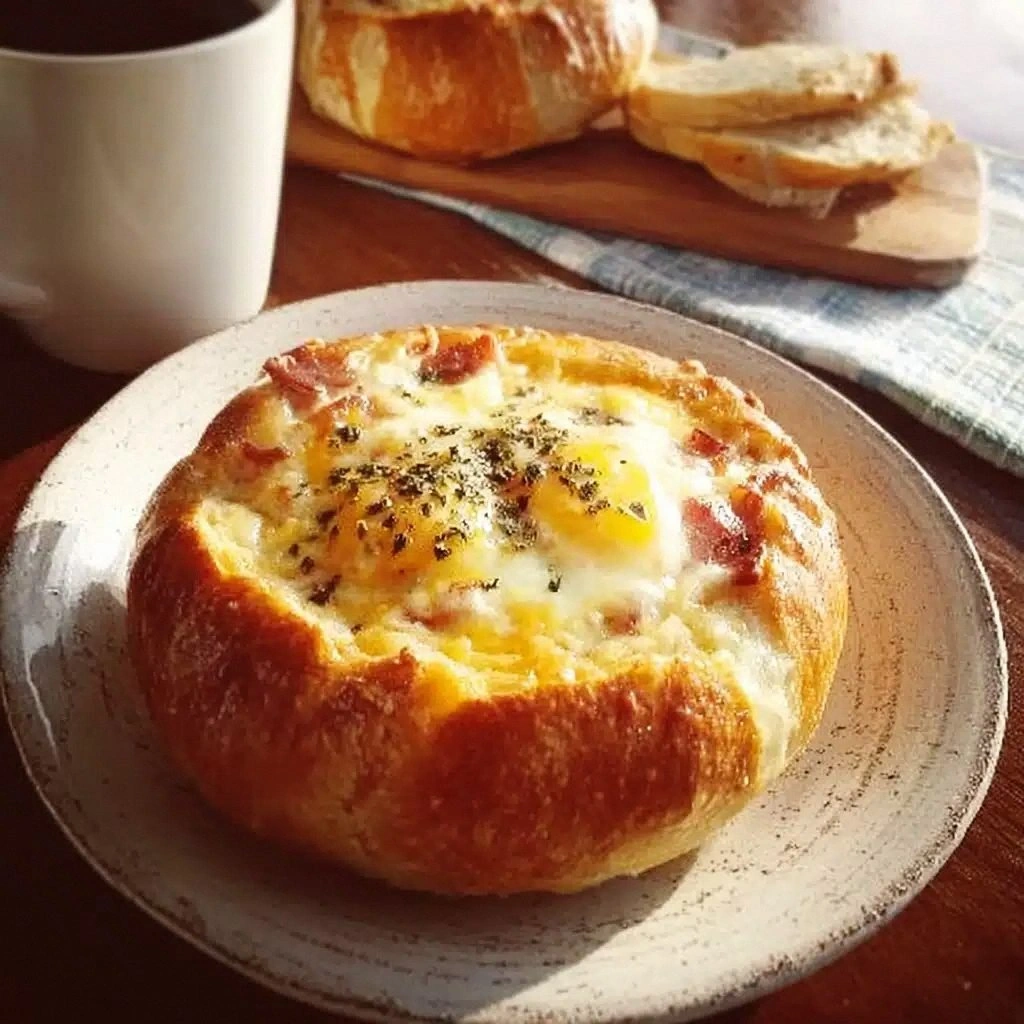
When I finally pulled that golden loaf out of the oven, the smell that hit the air was like a warm hug—bready, buttery, and just a whisper of sweet yeast. I could hear the crackle of the crust as I sliced it open, revealing a hollow, pillowy center that begged to be filled. The texture was a paradox: crisp on the outside, airy and almost sponge‑like inside, like a cloud you could eat. The first bite was a symphony—cheese melt, smoky bacon, a splash of olive oil, and a burst of fresh scallions—all wrapped in a sturdy, comforting shell.
This version of the breakfast bread bowl stands apart because it’s not just a sandwich or a soup bowl; it’s a multi‑sensory experience that turns a simple morning into a celebration. It’s the kind of dish that makes you question why you ever settled for toast or cereal. The secret lies in a few unconventional techniques and ingredients that elevate the humble bread into a culinary centerpiece. From the way the dough is kneaded to the final burst of cheese, every step is crafted to deliver maximum flavor and texture.
And here’s a tease: the next time you think about making a bread bowl, imagine adding a splash of smoked paprika to the dough, or brushing the crust with a mixture of melted butter and fresh herbs before baking. That subtle twist will change everything—making the crust slightly caramelized and the inside irresistibly fragrant. Let me walk you through every single step—by the end, you’ll wonder how you ever made it any other way.
What Makes This Version Stand Out
- Taste: The blend of melted cheddar, smoky bacon, and scallions creates a savory symphony that lingers on the palate. The subtle hint of smoked paprika in the dough adds depth without overpowering the fresh flavors.
- Texture: A golden, buttery crust that cracks pleasantly, coupled with a light, airy interior that holds the filling like a warm, edible cradle.
- Simplicity: Only a handful of ingredients and a single baking step make this a go‑to breakfast that feels luxurious yet requires minimal effort.
- Uniqueness: The inclusion of a “crust glaze”—a butter and herb butter blend—sets this recipe apart from conventional bread bowls.
- Crowd Reaction: Friends rave about the “instant brunch” vibe and the way the bread can be customized with different cheeses or meats.
- Ingredient Quality: Using fresh, high‑quality cheddar and bacon ensures that each bite is packed with flavor, while the dough’s simple composition allows the ingredients to shine.
- Cooking Method: The dough is shaped into individual bowls before baking, guaranteeing a uniform shape and a perfectly hollow center.
- Make‑Ahead Potential: The dough can be prepared the night before and refrigerated, saving time on busy mornings.
Alright, let's break down exactly what goes into this masterpiece…
Inside the Ingredient List
The Flavor Base
At the heart of this recipe lies a simple yet powerful dough that marries all-purpose flour, warm water, yeast, sugar, and salt. The yeast activates to give the bread its airy structure, while the sugar feeds the yeast, ensuring a robust rise. The salt is not just seasoning; it strengthens the gluten network, giving the crust that coveted chewiness. If you skip the salt, the bread will taste flat and the dough will be weak.
The Texture Crew
Olive oil and an egg are the unsung heroes that lend the dough a tender crumb and a glossy sheen. The olive oil coats the flour, preventing the dough from sticking, and adds a subtle fruity note. The egg, on the other hand, enriches the dough, providing moisture and a slight richness that makes the bread feel indulgent. Swapping olive oil for butter will give a sweeter crust, but the oil’s lightness keeps the interior airy.
The Unexpected Star
Smoked paprika is the secret weapon that turns an ordinary bread bowl into a flavor explosion. It brings a smoky undertone that complements the bacon and cheese, creating a harmonious balance. If you’re a fan of heat, a pinch of cayenne can replace the paprika for a spicier kick. Without this spice, the bread feels like a plain loaf and the filling loses its depth.
The Final Flourish
Once baked, the bread is filled with a luscious mix of shredded cheddar, crispy bacon bits, and chopped scallions. The cheese melts into a gooey, golden sauce, while the bacon provides a satisfying crunch. The scallions add a fresh, oniony brightness that cuts through the richness. If you prefer a vegetarian version, substitute the bacon with sautéed mushrooms for a meaty texture.
Everything's prepped? Good. Let's get into the real action…
The Method — Step by Step
- Step 1: Combine Dry Ingredients. In a large mixing bowl, whisk together 2 cups of all‑purpose flour, 1 tsp of active dry yeast, 1 tsp of sugar, and 1 tsp of salt. The dry mix ensures even distribution of yeast and prevents clumping. Feel the dry batter as it shifts in the bowl—this is the foundation of your bread bowl.
- Step 2: Add Liquids. Pour 1 cup of warm water, 2 tbsp of olive oil, and 1 beaten egg into the dry mixture. Stir with a wooden spoon until a shaggy dough forms. The dough should be slightly sticky but manageable; if it feels too dry, add a splash of water.
- Step 3: Knead. Transfer the dough to a floured surface and knead for about 8 minutes, until it becomes smooth and elastic. You’ll notice the dough’s surface glistening slightly—this indicates proper gluten development. If you’re short on time, use a stand mixer with a dough hook for 5 minutes.
- Step 4: First Rise. Place the dough in an oiled bowl, cover with a damp cloth, and let it rise in a warm spot for 1 hour, or until doubled in size. The dough should feel airy and spring back when gently pressed. This rise is crucial for achieving that light interior.
- Step 5: Shape into Bowls. Punch down the dough to release excess air, then divide it into 4 equal portions. Roll each portion into a ball, then flatten into a disk about 1.5 inches thick. Place the disks on parchment paper, cover loosely, and let rest for 20 minutes.
- Step 6: Preheat Oven. While the dough rests, preheat your oven to 425°F (220°C). A hot oven is essential for a crisp crust and a hollow center.
- Step 7: Brush and Bake. Brush the tops of each dough disk with melted butter, then sprinkle lightly with smoked paprika. Slide the parchment‑lined disks onto a baking sheet and bake for 12–15 minutes, or until golden brown. The crust should crackle softly when you tap it lightly.
- Step 8: Prepare Fillings. While the bread is baking, sauté ½ cup of bacon until crisp, then crumble into small pieces. Set aside. In the same pan, lightly sauté ¼ cup of scallions until fragrant.
- Step 9: Hollow and Fill. Once the bread is out of the oven, cut a slit along the side of each loaf, then use a spoon to scoop out a thin layer of dough, creating a cavity. Return the hollowed loaf to the oven for an additional 3 minutes to firm up the bottom. Remove from heat, then spoon shredded cheddar, bacon bits, and scallions into each bowl. Drizzle a small amount of olive oil over the top.
- Step 10: Final Melt. Place the filled bowls back in the oven for 5 minutes, or until the cheese has melted and the edges are slightly crisp. The aroma will be intoxicating, and the interior will be a molten, savory masterpiece.
That's it — you did it. But hold on, I've got a few more tricks that'll take this to another level…
As the aroma rises, you can already taste the satisfaction that will carry you through the day. The buttery crust, the molten cheese, and the smoky bacon combine to create a breakfast that feels indulgent yet comforting. The moment you bite into the first bowl, the flavors explode in a way that turns a mundane morning into a culinary celebration. This is not just food; it's an experience that will make you look forward to every sunrise.
Insider Tricks for Flawless Results
The Temperature Rule Nobody Follows
Many bakers think any warm water will do, but the ideal temperature is about 105°F (40°C). Water that’s too hot burns the yeast, while water that’s too cool stalls the rise. Use a digital thermometer to keep it just right, ensuring a consistent rise and a light crumb.
Why Your Nose Knows Best
During the first rise, trust your nose. If you smell a faint yeasty aroma, the dough has risen properly. A sour or off smell indicates a problem, and you should start over. This sensory checkpoint saves you from a ruined loaf.
The 5‑Minute Rest That Changes Everything
After baking, let the bread rest for 5 minutes before cutting. This brief pause allows the interior to set, preventing the cheese from spilling out of the bowl. It also lets the crust firm up, giving you a crisp bite.
Keep It Moist, Not Dry
When filling the bowls, add a splash of milk or a drizzle of olive oil to the cheese mixture. This prevents the cheese from drying out during the final melt, keeping each bite creamy and luscious.
Don’t Skimp on the Butter Glaze
The butter and herb glaze on the crust not only adds flavor but also creates a barrier that keeps the bread from becoming soggy. Apply it generously and let it set before baking; the result is a golden, crackly finish.
Reheat with Love
To reheat leftovers, wrap the bowl in foil and bake at 350°F (175°C) for 10 minutes. The foil traps steam, ensuring the cheese stays melted and the crust stays crisp.
Creative Twists and Variations
This recipe is a playground. Here are some of my favorite ways to switch things up:
Spinach & Feta Edition
Swap cheddar for crumbled feta and sautéed spinach for bacon. The tangy feta pairs beautifully with the buttery crust, while the spinach adds a subtle earthiness.
Mexican Breakfast Bowl
Fill the loaf with scrambled eggs, black beans, diced tomatoes, and a sprinkle of cheddar. Top with a dollop of salsa and a pinch of cilantro for a zesty twist.
Sweet Cinnamon Sugar Bowl
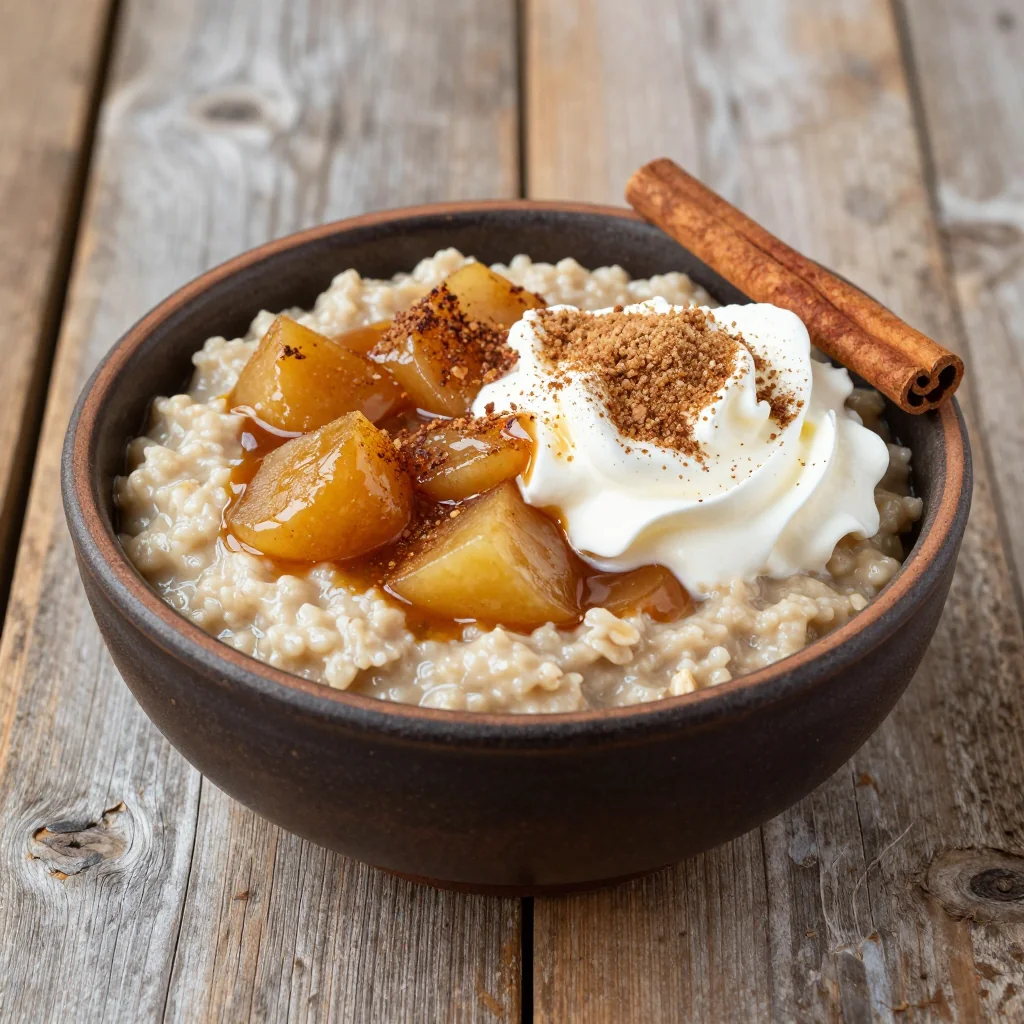
After baking, brush the crust with melted butter and sprinkle cinnamon sugar. Add a spoonful of apple compote inside for a sweet, comforting breakfast.
Vegan Delight
Use a plant‑based cheese, tempeh bacon, and sautéed mushrooms. Finish with a drizzle of tahini and fresh herbs for a creamy, savory experience.
Seafood Surprise
Fill the bowl with smoked salmon, cream cheese, and capers. The salty salmon and tangy cream cheese create a luxurious, brunch‑ready option.
Herb‑Infused Bread
Add chopped rosemary, thyme, and oregano to the dough for an aromatic crust. Inside, use a mixture of goat cheese and roasted red peppers for a Mediterranean flair.
Storing and Bringing It Back to Life
Fridge Storage
Store finished bread bowls in an airtight container at room temperature for up to 3 days. If you’re planning to eat them the next day, wrap them in foil to keep the crust crisp.
Freezer Friendly
Freeze the hollowed, unfilled dough in a sealed bag for up to 3 months. To bake, thaw overnight, then bake at 425°F for 12 minutes.
Best Reheating Method
Reheat filled bowls in a preheated oven at 350°F for 10 minutes, wrapped in foil. Add a splash of water before reheating to create steam, which keeps the cheese molten and the crust from drying out.