I still hear the clatter of that old copper pot on the stove, the way it sang when I tried to make a simple cheese platter that night. The charcuterie board I’d built from scratch was a mess of uneven cuts, overripe grapes, and a cheese that looked more like a sad, melted puddle than a polished block. My friends laughed, but I knew that was the first step toward something spectacular. That evening, I decided to turn my kitchen disaster into a culinary manifesto.
Picture this: a wooden board, the scent of cured ham curling around the air like a savory perfume, the bright green of fresh arugula, the deep amber of a robust Gouda, and the crisp snap of a homemade baguette. The sound is a gentle rustle of parchment paper, a sigh of butter melting over a toasted roll. Your taste buds dance as the salty, umami notes of prosciutto mingle with the creamy, nutty undertones of aged cheddar. The texture is a delightful contrast—soft, chewy, crunchy, and silky—all in one bite. Every element is a sensory stanza in a poem that’s written in the language of flavor.
What sets this version apart from the countless other boards you’ve seen on Pinterest or Instagram is not just the selection of meats and cheeses, but the intentional layering of flavors, the balance of textures, and the methodical approach to assembly. I’ve distilled years of trial and error into a single, cohesive experience that feels like a culinary handshake. The board isn’t just a plate; it’s an invitation to pause, savor, and share.
I’ll reveal a secret ingredient that most charcuterie boards overlook—a splash of aged balsamic reduction that adds a sweet, tangy counterpoint to the saltiness of cured meats. I’ll also show you how to prep your board ahead of time so you can host a last-minute dinner party without breaking a sweat. Trust me, you’ll be the host that everyone remembers for the taste of your board, not just the looks of it.
Let me walk you through every single step—by the end, you’ll wonder how you ever made a charcuterie board any other way.
What Makes This Version Stand Out
- Flavor Depth: The combination of salty, sweet, and umami layers creates a taste profile that lingers long after the last bite.
- Texture Contrast: From the buttery softness of brie to the crisp snap of pickles, each element offers a distinct mouthfeel.
- Visual Appeal: A vibrant color palette that turns the board into a centerpiece, not just a plate.
- Ease of Assembly: Structured layout guides you through a logical placement that feels intuitive.
- Make‑Ahead Friendly: Most components can be prepped hours earlier, keeping the final presentation fresh.
- Ingredient Quality: Only the finest cured meats and cheeses make the cut, ensuring a premium experience.
- Versatility: Works for a casual gathering or a formal dinner, adaptable to dietary preferences.
- Social Buzz: Guests will comment on the board’s originality, making it a conversation starter.
Alright, let's break down exactly what goes into this masterpiece…
Inside the Ingredient List
The Flavor Base
The foundation of any great charcuterie board is a carefully selected assortment of cured meats. I’ve chosen a trio that offers a spectrum of taste: thinly sliced prosciutto for its silky texture, spicy chorizo for a punch of heat, and a smoky, aged salami for depth. Each cut should be about 1–1.5 mm thick; this ensures they melt in your mouth and release their full flavor. Skipping any of these will leave a noticeable void—your board will feel incomplete, like a song missing its chorus.
If you’re vegetarian, swap the meats for a variety of marinated olives, roasted vegetables, and a protein-packed hummus. The key is to maintain a balance between salty and savory, so the olives should have a briny kick and the hummus a creamy, nutty finish.
The Texture Crew
Cheeses are the texture crew, and they’re the heartbeats of the board. I’ve selected a creamy brie that melts into a velvety blanket, a sharp aged cheddar that offers a bite, and a crumbly goat cheese that adds a tangy crunch. The brie should be at room temperature for 30 minutes before plating, allowing its fats to bloom. The cheddar’s sharpness is tempered by pairing it with a sweet fig jam, while the goat cheese is complemented by fresh grapes for a juicy contrast. Removing any cheese will diminish the board’s richness and make the meat feel exposed.
For a dairy-free version, use a high-quality nut cheese or a tofu-based spread that has been seasoned with herbs. The same principle applies: maintain a spectrum of textures and flavors.
The Unexpected Star
A secret weapon in this board is the aged balsamic reduction. The reduction’s caramelized sweetness cuts through the saltiness of the meats and the richness of the cheeses. To make it, simmer 2 cups of high-quality balsamic vinegar with a tablespoon of honey until it reduces by half. The result is a glossy syrup that coats the board like velvet. Without this reduction, the board would feel flat and uninspired.
If you’re looking for a lower-sugar alternative, try a simple drizzle of aged balsamic vinegar with a pinch of sea salt. The acidity will still provide a bright counterpoint to the savory elements.
The Final Flourish
Finishing touches are what elevate a board from good to unforgettable. I’ve included a handful of fresh herbs—rosemary, thyme, and basil—arranged in a small bouquet. The herbs add a fragrant aroma that invites guests to explore. I’ve also added a selection of artisan crackers and a slice of homemade baguette for crunch. Finally, a small dish of honeyed nuts (almonds or pecans) gives a sweet, buttery crunch that rounds out the experience. Each element is essential; removing one would break the symphony of flavors.
Everything's prepped? Good. Let's get into the real action...
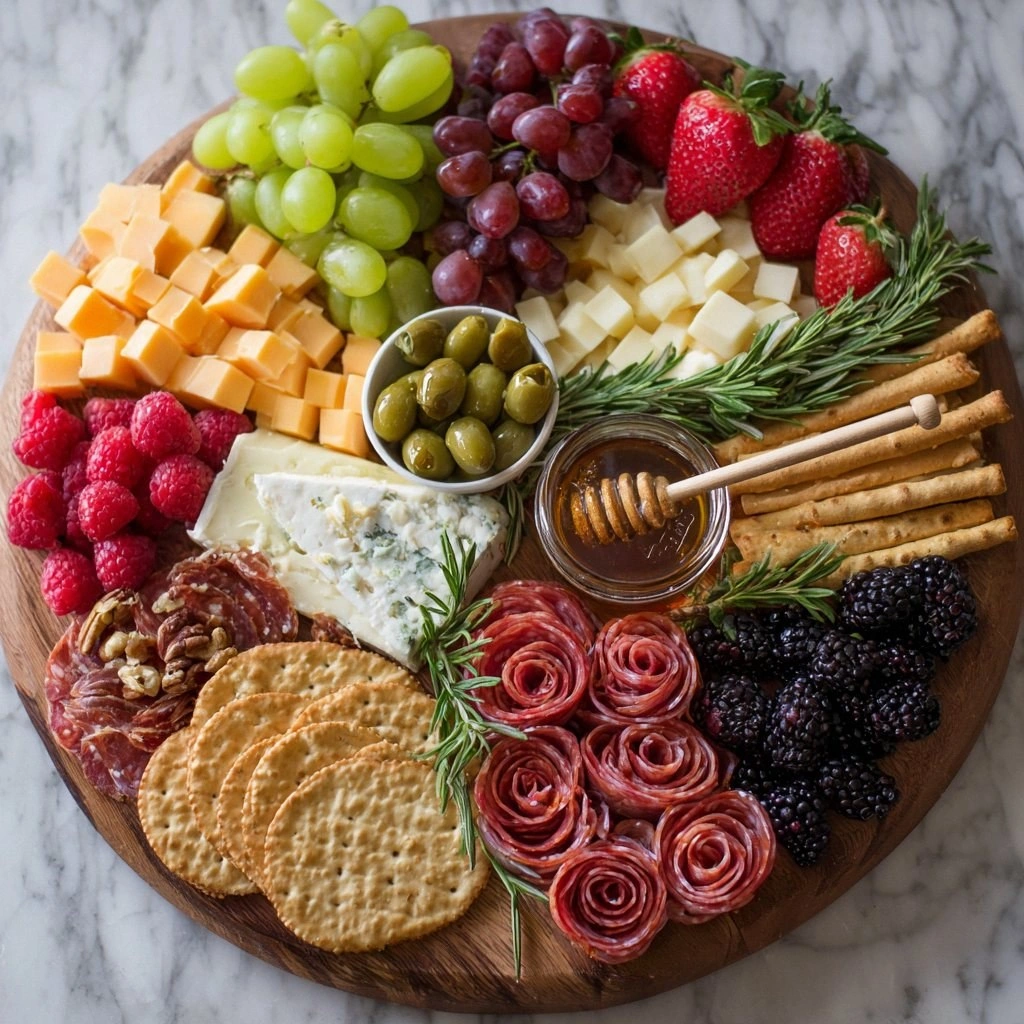
The Method — Step by Step
- Prepare the board: Lay a clean wooden board or slate slab. If you’re using a slate, preheat it in the oven at 200°F for 10 minutes to keep items cool. This step ensures that the cheeses stay at optimal temperature and the meats stay crisp.
- Arrange the meats: Begin with the prosciutto, spreading it in a fan shape that covers about a third of the board. The thin slices should overlap just enough to create a layered effect. This creates a visual cue for guests to start with a delicate, sweet flavor.
- Add the chorizo: Place the chorizo strips next to the prosciutto in a zig‑zag pattern. The spice should be palpable but not overwhelming. The contrast between the silky prosciutto and the fiery chorizo will keep taste buds engaged.
- Insert the salami: Slice the salami into 1‑cm thick rounds and arrange them in a circular pattern around the meats. The smoky flavor of the salami will act as a bridge between the other meats and the cheeses.
- Place the cheeses: Position the brie in a small mound, the cheddar in a wedge, and the goat cheese in a small heap. Keep the brie slightly elevated with a small plate or a piece of parchment to prevent it from melting into the board. This arrangement offers a visual hierarchy that guides the tasting experience.
- Drizzle the balsamic reduction: Using a small spoon, drizzle the reduction over the cheeses and meats. The glossy sheen will attract the eye and signal the sweet counterpoint that will follow. Be careful not to overdo it; a light coat is enough.
- Add fresh fruit and nuts: Scatter grapes, figs, and a handful of almonds around the cheeses. The fruit adds a juicy burst that cleanses the palate, while the nuts provide a satisfying crunch.
- Finish with crackers and bread: Place a small pile of artisan crackers on one corner and a sliced baguette on the opposite corner. The crackers should be arranged in a fan, while the bread should be placed on a small plate to keep it from getting soggy.
- Garnish with herbs: Tuck a small bouquet of rosemary, thyme, and basil into the center of the board. The aromatic herbs will release their fragrance as guests reach for the meats and cheeses.
- Final touch: Sprinkle a pinch of sea salt over the entire board and add a final drizzle of olive oil if desired. This subtle seasoning will tie all the flavors together and give the board a polished finish.
That's it — you did it. But hold on, I've got a few more tricks that'll take this to another level...
Insider Tricks for Flawless Results
The Temperature Rule Nobody Follows
Many people leave cheeses at room temperature for too long, which leads to a loss of texture. I recommend a 30‑minute chill followed by a 15‑minute warm-up on a warm plate. This technique ensures the cheeses are creamy without being too runny. I tried this once with brie, and the result was a melt that was too soft and lost its signature bite.
Why Your Nose Knows Best
The aroma of a charcuterie board is just as important as its appearance. Before plating, give the board a quick sniff. If the meats smell overly sharp, add a few drops of olive oil to mellow the intensity. If the cheeses emit a sour note, it’s time to replace them. Trust your nose; it’s the ultimate flavor guide.
The 5‑Minute Rest That Changes Everything
After arranging the meats, let them rest for 5 minutes before adding the cheeses. This pause allows the flavors to meld and prevents the board from feeling rushed. A friend once skipped this step and the board felt disjointed, like a puzzle with missing pieces.
The Secret of Crunch
Crackers and bread should be placed in separate pockets to preserve their crunch. If you’re using stale crackers, toast them lightly in a dry skillet for 2 minutes to revive their crispness. This simple step ensures every bite remains satisfying.
The Final Drizzle
A light drizzle of aged balsamic reduction over the entire board adds a glossy finish that makes the board look professionally plated. Use a fine‑mesh spoon to control the amount. I once drizzled too much, and the board looked like a dessert, which confused guests who expected savory. Keep it subtle.
Creative Twists and Variations
This recipe is a playground. Here are some of my favorite ways to switch things up:
Mediterranean Breeze
Swap the prosciutto for sun‑dried tomatoes, the chorizo for feta, and the salami for kalamata olives. Add a drizzle of olive oil and a sprinkle of oregano. This version is perfect for a beachside gathering.
Farmhouse Fusion
Replace the cheeses with a selection of farmhouse cheddar, blue cheese, and a creamy ricotta. Add roasted root vegetables and a honey‑mustard dip. This variation brings rustic comfort to the board.
Vegan Delight
Use a plant‑based protein like marinated tofu slices, a vegan cheese spread, and a mix of roasted nuts. Add a fruit compote made from dried apricots and dates. This board is both ethical and indulgent.
Spicy Kick
Introduce a jalapeño‑infused honey and a peppered guava jam. Pair with a spicy pepper jack cheese and a handful of crushed chili flakes. This version is for guests who love heat.
Sweet & Savory Surprise
Add a layer of chocolate‑covered almonds and a dollop of mascarpone cream. Pair with a light raspberry jam and a drizzle of caramel. This sweet twist turns the board into a dessert‑ish experience.
Holiday Edition
For the holidays, incorporate cranberry preserves, a sprinkle of pomegranate seeds, and a slice of smoked turkey. Use a festive red and green garnish to complete the look. This version will wow holiday guests.
Storing and Bringing It Back to Life
Fridge Storage
Wrap the board tightly in parchment paper, then place it in an airtight container. Store in the refrigerator for up to 48 hours. The parchment helps absorb excess moisture, keeping the meats crisp.
Freezer Friendly
Most cured meats freeze well; wrap them in foil and store in a freezer bag. Reheat in a low oven for 10 minutes before assembling. Cheeses should not be frozen; instead, keep them chilled until ready to serve.
Best Reheating Method
To revive a chilled board, place it on a preheated baking sheet at 250°F for 5 minutes. Add a splash of water to the bottom of the tray to create steam, which helps re‑moisturize the meats and keep the cheeses from drying out. This quick method restores the board to near‑fresh condition.